Categories
Ear Health Health & Wellness

Eustachian Tube Dysfunction: Recognising the Key Signs

Last Updated on 18/04/2025 by Admin

Recognising the Key Symptoms of Eustachian Tube Dysfunction

Grasping the Sensation of Ear Pressure and Its Health Implications

A person at high altitude feeling intense ear pressure, like a balloon about to burst, with a blocked sensation.

Feeling ear pressure can be likened to a balloon that is tightly inflated and about to pop—an intensely uncomfortable feeling that can prove to be quite distracting. This sensation, often described as a blockage or stuffiness in the ear, is a common symptom of eustachian tube dysfunction. Imagine yourself at a high altitude, where the pressure builds in your ears as you ascend; this scenario vividly illustrates the nature of ear pressure. Such feelings typically manifest during air travel, diving, or even during seasonal transitions when changes in weather affect atmospheric pressure.

This discomfort is not merely a nuisance; it can significantly disrupt your daily activities and overall quality of life. Activities such as swimming or flying may become daunting if every elevation change triggers uncomfortable pressure in your ears. Ignoring this symptom could lead to more severe issues, including pain and alterations in your hearing ability, creating a cycle of discomfort that can impact your daily existence.

Effectively managing ear pressure is paramount for maintaining comfort and overall health. A simple yet effective method to alleviate this sensation is to yawn or swallow, as these actions help facilitate the function of the eustachian tube, promoting effective pressure equalisation. By being aware of ear pressure, you can take proactive measures before it escalates into a more significant issue, thereby allowing you to maintain your quality of life and enjoy daily activities without distraction.

Recognising and Responding to Ear Pain

Ear pain can manifest as a sharp jab or a persistent dull ache, often signalling a deeper underlying issue that requires attention. If you have experienced ear pain that intensifies with altitude changes, it may serve as a classic indicator of eustachian tube dysfunction. Consider ear pain as your body’s urgent call for attention—an indication that something may be amiss. Whether stemming from a cold, allergies, or an infection, this discomfort can intrude upon your peace, turning simple pleasures into challenging experiences, making it vital to address these signals promptly.

Imagine climbing to a scenic viewpoint to enjoy a breathtaking sunset, only to be abruptly interrupted by sudden ear pain as you rise in altitude. Such discomfort can be incredibly frustrating and can have a ripple effect, extending beyond the immediate moment to disrupt your sleep, diminish your concentration, and strain your communication with others.

Bridging the gap between awareness and action is essential. If you experience persistent or severe ear pain, do not dismiss it; seek medical assistance. Addressing this symptom early can prevent further complications and help you enjoy your daily life without the burden of pain, ensuring you remain engaged and active in your daily pursuits.

Identifying Hearing Changes as a Crucial Warning Sign

Have you ever found yourself in a crowded room, only to notice that everyone around you seems to be speaking in hushed tones? Changes in hearing, such as temporary hearing loss or muffled sounds, are critical indicators of eustachian tube dysfunction. You may not fully appreciate the role your ears play in your overall life experience until you begin to notice these fluctuations, which can be alarming and disorienting.

These auditory changes can often be alleviated through actions such as yawning or swallowing, which help to equalise pressure in the ear. Think of it as resetting your auditory system. However, when these changes become frequent or persistent, they can contribute to feelings of isolation and frustration. Imagine navigating social interactions while struggling to comprehend conversations; this is the impact hearing changes can have on your social life, work, and family dynamics, leading to a significant emotional toll.

Remaining alert to any shifts in your hearing can facilitate early detection of potential underlying issues. Whether it is an allergy flare-up or a common cold, understanding how these changes affect your ear health can lead to more proactive care. Tune into your body’s needs—clearer hearing can enhance your sense of connection with the world around you, allowing you to fully engage in life’s experiences.

Understanding the Effects of Tinnitus on Daily Life
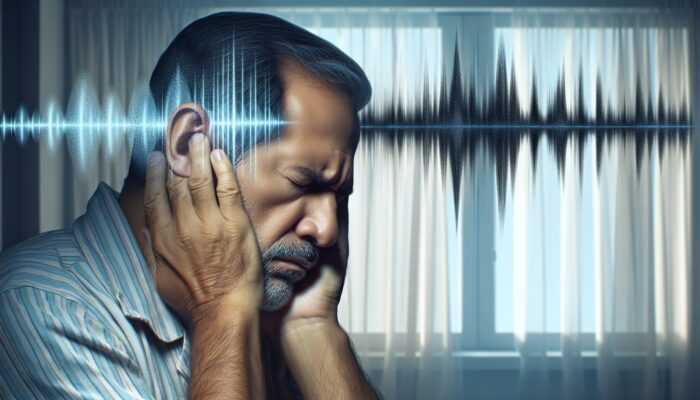
A distressed person in a quiet room with abstract sound waves representing tinnitus disrupting focus and sleep.

Are you experiencing unexpected ringing, buzzing, or hissing sounds in your ears? Welcome to the realm of <a href=”https://www.earwaxremoval.net/weather-changes-and-their-impact-on-ear-pressure-a-guide/”>tinnitus</a>—a common yet often misunderstood condition that frequently serves as a key sign of eustachian tube dysfunction. Whether the sound is constant or intermittent, it can be disconcerting and distracting, pulling your focus away from conversations, music, or even the soothing sounds of nature.

Tinnitus often accompanies other symptoms like ear pressure and hearing changes, as if your ear is trying to communicate despite the noise obscuring its message. The effects of this condition can extend beyond auditory disturbances; it may lead to heightened anxiety, difficulty concentrating, and disrupted sleep patterns, creating a challenging cycle of discomfort that can be overwhelming.

However, understanding tinnitus can empower you on your path to relief. Consider seeking methods to alleviate the persistent ringing or buzzing, whether through relaxation techniques, sound therapies, or professional evaluations. Tinnitus does not have to be a lifelong burden. Early recognition and intervention can pave the way for an improved quality of life, allowing you to once again appreciate the beautiful sounds of life that surround you.

Conditions That Often Accompany Eustachian Tube Dysfunction

Exploring the Impact of Allergies on Eustachian Tube Function

Allergies can often feel like an unwelcome guest that overstays its welcome, wreaking havoc on your eustachian tube and leading to dysfunction. When discussing eustachian tube dysfunction, allergies frequently take centre stage, highlighting the intricate connections between our bodily systems and their overall health.

Imagine enjoying a beautiful spring day outdoors, only to be sidelined by relentless sneezing and a stuffy nose. This nasal congestion can obstruct the eustachian tube, resulting in uncomfortable pressure and even ear pain. What should be joyful experiences—like blooming flowers or a delightful picnic—might transform into sources of distress, underscoring the significant impact of allergies on your well-being.

Effectively managing allergies is essential for preventing the onset of eustachian tube dysfunction. Strategies may include over-the-counter antihistamines, nasal sprays, or avoiding known allergens. By addressing these triggers, you can preserve your ear health and overall comfort. Adopting a proactive approach to managing allergies can significantly enhance your enjoyment of life’s moments without the looming threat of ear troubles.

Understanding the Impacts of Upper Respiratory Infections

Have you ever experienced that overwhelming sensation when you catch a cold, and your entire world seems turned upside down? Upper respiratory infections, such as the common cold or flu, are notorious for causing swelling and mucus buildup that can severely affect the eustachian tube. In discussions about eustachian tube dysfunction, these infections frequently emerge as primary culprits behind unexpected ear problems.

Picture this scenario: you’re navigating through the winter months, only to be struck down by a bothersome cold. The congestion builds, pressure mounts, and before you know it, you’re grappling with ear pain in addition to the usual symptoms of a runny nose and fatigue. It’s a cascading effect—one health challenge leading to another. The congested nasal passages can block eustachian tubes, creating an unpleasant cycle that may linger for weeks.

Focusing on prevention—such as practising good hygiene, staying hydrated, and receiving vaccinations—can significantly reduce your risk of upper respiratory infections and their adverse effects on your ear health. If you do find yourself feeling unwell, prioritising rest and recovery can help minimise the chances of developing eustachian tube dysfunction. Remember, a little attentiveness can dramatically enhance your recovery journey and overall health.

The Connection Between Chronic Sinusitis and Eustachian Tube Dysfunction

Chronic sinusitis, characterised by ongoing inflammation of the sinuses, can play a significant role in eustachian tube dysfunction. When your sinuses are inflamed, they can lead to persistent nasal congestion, resulting in complications that adversely impact the eustachian tube’s operation and your overall ear health.

Imagine living with the dull ache of chronic sinus pressure. It extends beyond mere discomfort; it infiltrates every aspect of your daily life. Whether you’re at work, home, or out enjoying the day, chronic sinusitis can weigh heavily on your experience. The swelling and mucus accumulation can obstruct the eustachian tube, resulting in feelings of fullness in the ears and even fluctuating hearing, affecting your quality of life.

Managing chronic sinusitis requires a comprehensive approach. Utilizing nasal rinses, medications that reduce inflammation, and consulting healthcare professionals for personalised treatment plans can significantly enhance your ear health. By addressing the underlying causes of your sinus issues, you can empower yourself to navigate daily challenges without the persistent burden of sinus-related ear problems, leading to a more fulfilling life.

Effective Diagnostic Approaches for Eustachian Tube Dysfunction

The Significance of a Comprehensive Physical Examination

Imagine walking into a doctor’s office, where the first step involves a thorough physical examination of your ears. This process is not merely a routine check-up; it is a vital component in recognising signs of eustachian tube dysfunction. A comprehensive ear examination serves as the gateway to understanding your ear health, enabling healthcare professionals to assess for fluid buildup, retraction, or other concerning indicators.

During the examination, your doctor will employ specialised tools to inspect your ear canal, looking for any irregularities. The presence of fluid in the middle ear may suggest dysfunction, akin to identifying a leaky faucet that needs attention. By recognising these issues early on, you can take proactive measures to address them, preventing further complications down the line and ensuring your ears remain healthy.

Being informed about what to expect during a physical examination can alleviate any apprehensions. Understanding that this simple yet crucial step can lead to clearer insights about your ear health is essential. Knowledge transforms anxiety into empowerment, and proactively managing your ear health is a choice worth making for your overall well-being.

Understanding the Role of Tympanometry in Assessing Ear Health

Imagine undergoing a test that measures the movement of your eardrum—tympanometry serves this exact purpose! This innovative diagnostic tool plays a pivotal role in assessing middle ear function and pressure, making it essential for eustachian tube dysfunction. It’s a straightforward, painless procedure that can yield invaluable information about your ear health and overall functioning.

During tympanometry, a device is positioned in your ear canal to create variations in air pressure. The response of your eardrum provides insights into whether fluid is present in the middle ear or if the eustachian tube is functioning correctly. Consider it akin to tuning into the delicate symphony of your ear’s mechanics—every movement tells a compelling story about your ear health.

Understanding the results of tympanometry can guide you and your healthcare provider in determining the next steps for treatment. If the test indicates dysfunction, it opens the door to exploring tailored strategies for relief and improvement. This test is more than just data; it is a key to unlocking a path toward clearer hearing and enhanced comfort in your life.

Visualising Eustachian Tube Function through Nasopharyngoscopy

While the thought of visualising the nasopharynx may seem intimidating, nasopharyngoscopy is a groundbreaking method for recognising signs of eustachian tube dysfunction. This diagnostic technique involves inserting a small camera through the nose to examine the nasopharynx, which is crucial for the function of the eustachian tube and overall ear health.

Imagine your doctor skillfully navigating through a narrow pathway that connects the nasal passages to the throat. By identifying any structural issues that may affect the eustachian tube, healthcare providers can develop targeted treatment plans that cater to your specific needs. Whether it pertains to anatomical abnormalities or inflammation, this examination offers rich details that can guide your care and improve your overall ear health.

While the concept of having a camera inserted through your nose may appear daunting, understanding that this procedure is designed to assist you can serve as a powerful motivator. It’s about uncovering the hidden layers of your health to empower you on your journey toward relief. The clarity gained from nasopharyngoscopy can be invaluable, facilitating informed decisions and proactive management of eustachian tube dysfunction.

Audiometry: Evaluating Your Hearing Health

Picture yourself stepping into a sound booth, a serene space where you can truly tune into your auditory experience. Audiometry is a hearing test that evaluates your ability to hear sounds, making it a vital component in recognising signs of eustachian tube dysfunction. This test helps differentiate between various types of hearing loss, including conductive hearing issues linked to eustachian tube problems, providing critical insights into your auditory health.

During the audiometry test, you’ll listen to a series of tones through headphones, responding as you hear them. It’s akin to a musical game, but the stakes are high—your hearing health is at risk. The results provide essential insights into whether your hearing challenges stem from eustachian tube dysfunction or another underlying issue, guiding your treatment plan and approach to care.

Understanding your audiometry results can empower you to take charge of your hearing health. Equipped with this knowledge, you can collaborate with your healthcare provider to explore treatment options, making informed decisions that align with your unique needs. Your hearing is invaluable, and audiometry is a crucial step toward preserving it and enhancing your quality of life.

Utilising Imaging Studies for Comprehensive Diagnosis

When diagnosing eustachian tube dysfunction, sometimes a picture truly is worth a thousand words. Imaging studies, including CT or MRI scans, can visualise the eustachian tube and surrounding structures, offering a detailed look at potential anatomical abnormalities. These studies act as a magnifying glass, revealing insights that may not be apparent through other diagnostic methods, thus informing your treatment decisions.

Imagine having the ability to peer inside your body without invasive procedures—this is the power of imaging studies. By analysing these images, healthcare providers can identify structural issues that might contribute to dysfunction. Grasping the bigger picture allows for tailored treatment plans that address not only symptoms but also the root causes of your ear troubles, leading to more effective management of your condition.

While the thought of undergoing imaging studies may seem daunting, remember that this step can be a significant leap toward uncovering the truth about your ear health. Embracing this technology enables you to navigate your journey with confidence, ensuring you have the tools and knowledge to advocate for your well-being and make informed decisions regarding your health.

Impact of Eustachian Tube Dysfunction on Everyday Life

Overcoming Concentration Challenges Due to Hearing Difficulties

Imagine sitting in a bustling café, surrounded by the chatter of conversation, yet you find it challenging to focus. Hearing difficulties stemming from eustachian tube dysfunction can lead to significant obstacles in concentration, affecting your ability to participate in discussions or fully appreciate the sounds of life. This isn’t merely an inconvenience; it can profoundly influence your work performance, social interactions, and overall well-being, creating a barrier between you and the world around you.

When your ears are not operating optimally, it can feel as though you’re living in a muffled world. This auditory strain may lead to frustration and fatigue as you struggle to piece together conversations and sounds. The ripple effect can permeate every aspect of your life—from missing out on critical discussions at work to feeling isolated within social settings, ultimately impacting your mental health and emotional state.

Implementing strategies to manage hearing difficulties can help restore your sense of clarity. Options like utilising hearing aids, participating in auditory training, or collaborating with a speech therapist can empower you to fully engage in life once more. Recognising the impact of eustachian tube dysfunction on your concentration is the first step toward discovering solutions that can transform your everyday experience, enabling you to reconnect with those around you.

Addressing Sleep Disturbances Linked to Ear Pain

Picture yourself lying in bed, tossing and turning, as persistent ear pain disrupts your much-needed rest. Sleep disturbances caused by eustachian tube dysfunction can significantly impact your quality of life, leading to fatigue and irritability. A restful night’s sleep is crucial for maintaining overall health, and when ear discomfort intrudes, it can create a challenging cycle of exhaustion that is difficult to break, affecting your daily interactions and overall mood.

The relationship between ear pain and sleep is profound. When discomfort arises, it becomes increasingly challenging to relax, resulting in restless nights. The repercussions extend beyond the night; the following day can feel like a fog, impairing your ability to focus and interact with others effectively. This cycle often spirals out of control if left unaddressed, compounding the issues you face in your daily life.

Empowering yourself with strategies for managing ear pain can be transformative. Simple techniques, such as applying warm compresses or elevating your head while sleeping, can alleviate discomfort and promote better rest. Seeking medical advice for persistent symptoms can also help you find personalised solutions for lasting relief. Prioritising your ear health is essential for reclaiming restful nights and enhancing your overall quality of life, allowing you to wake up refreshed and ready to engage with the world.

Overcoming Challenges in Communication

Every conversation is a delicate dance, a beautiful exchange of ideas and emotions. But what happens when eustachian tube dysfunction leads to muffled hearing? Communication challenges can arise, creating barriers in both social and professional interactions. It’s more than just missing words; it’s about feeling disconnected from those around you, leading to feelings of frustration and isolation.

Imagine striving to engage in a heartfelt conversation, only to find yourself constantly straining to catch what’s being said. This can lead to frustration—not just for you, but also for those conversing with you. The social repercussions can be significant, potentially resulting in misunderstandings and discomfort within relationships, which can further exacerbate your feelings of isolation.

Fostering open lines of communication regarding your hearing difficulties is crucial. Informing friends, family, and coworkers about your challenges can cultivate an environment of understanding and support. Employing tools such as written communication or visual aids can further enhance your interactions. The key lies in acknowledging how eustachian tube dysfunction affects your ability to connect and taking proactive measures to bridge those gaps, thereby strengthening your relationships and promoting a sense of belonging.

Exploring Available Treatment Options for Eustachian Tube Dysfunction

How Decongestants Can Provide Symptomatic Relief

Feeling as though your head is engulfed in fog? Decongestants might just be the solution you need for clearing the air—both literally and figuratively. These medications work to reduce nasal congestion, allowing the eustachian tube to function more effectively and relieving symptoms associated with eustachian tube dysfunction. By alleviating that blocked sensation, decongestants can provide the much-needed relief from discomfort that interferes with your daily life.

Think of decongestants as a rescue team for your nasal passages. They can relieve the pressure that builds up due to allergies or colds, facilitating optimal eustachian tube function. However, it’s essential to use these medications judiciously, as overuse can lead to rebound congestion, worsening the situation in the long term and creating a cycle of dependency that can be difficult to break.

Consulting with a healthcare provider about suitable decongestant options can assist you in navigating your treatment journey. Whether you opt for oral medications or nasal sprays, understanding how these treatments function can empower you to make informed decisions regarding your ear health. Embrace the clarity that comes from knowing your options and taking proactive steps toward relief, ensuring your well-being.

The Role of Nasal Steroids in Symptom Management

Consider nasal steroids as the soothing balm for your inflamed nasal passages. These sprays work to reduce inflammation, enabling the eustachian tube to operate optimally. In the context of eustachian tube dysfunction, nasal steroids play a vital role in managing symptoms associated with allergies and sinus issues, providing significant relief from discomfort.

Imagine applying a gentle mist into your nose, alleviating the irritation caused by allergies or chronic sinusitis. This can help relieve pressure that builds up and hinders the proper functioning of your eustachian tube. By diminishing inflammation, nasal steroids can pave the way for improved ear health and overall comfort, allowing you to engage more fully in daily activities.

Before starting nasal steroid treatment, it’s wise to consult with a healthcare professional. They can provide guidance on how to use these medications effectively and monitor your progress. Embracing this treatment option can lead to a significant reduction in symptoms, enabling you to reclaim your daily activities with renewed energy and enthusiasm, improving your overall quality of life.

Empowering Yourself Through Eustachian Tube Exercises

Think you have no control over eustachian tube dysfunction? Think again! Eustachian tube exercises can serve as your secret weapon in managing discomfort and enhancing ear function. From yawning to the Valsalva manoeuvre, these techniques are designed to promote pressure equalisation and alleviate the bothersome symptoms associated with eustachian tube dysfunction, allowing you to take an active role in your ear health.

Consider the simple act of yawning. It’s not just a reflex; it’s a natural way to open the eustachian tube and balance pressure. Regularly practising this technique can help keep those tubes clear and functioning smoothly. The Valsalva manoeuvre, which involves pinching your nose and gently blowing, can also encourage pressure equalisation. While it may feel a bit strange initially, it’s a powerful tool in your ear health toolkit that can yield significant benefits.

Incorporating these exercises into your daily routine can lead to substantial improvements over time. They can be particularly beneficial during altitude changes or when experiencing symptoms. With practice and awareness, you can empower your ears to function better and effectively reduce discomfort, enhancing your overall quality of life.

Proactive Strategies for Preventing Ear Health Issues

Implementing Effective Allergy Management Techniques

Allergies may seem like an insurmountable challenge, but effective management is your best ally in preventing eustachian tube dysfunction. Taking control of your allergies through medication or avoidance strategies can help you breathe more easily and protect your ear health, ultimately enhancing your overall quality of life.

Imagine waking up in spring, eager to smell the flowers, only to be thwarted by relentless sneezing. By identifying your specific allergens—whether pollen, dust mites, or pet dander—you can tailor your environment to minimise exposure. Investing in high-quality air filters, regularly washing bedding, and practising sound hygiene can create a protective barrier against triggers, allowing you to enjoy the season without the burden of allergy symptoms.

Don’t underestimate the power of medication, either. Antihistamines and nasal sprays can be transformative, providing relief from symptoms that could lead to eustachian tube dysfunction. Consulting with a healthcare provider can help you develop a personalised treatment plan that suits your needs and lifestyle. By proactively managing your allergies, you can safeguard your ear health and reclaim the joy of everyday experiences without discomfort or distraction.

The Importance of Quitting Smoking for Enhanced Ear Health

What if I told you that quitting smoking could protect your ears? Smoking and secondhand smoke are notorious irritants that can cause inflammation in the nasal passages, leading to eustachian tube dysfunction. Stepping away from this harmful habit is a critical step toward preserving your ear health and overall well-being.

Picture yourself walking through a park, inhaling fresh air, free from the constraints of smoke. The benefits of quitting extend well beyond your lungs; your ears will express their gratitude, too! Reducing irritation in your nasal passages can lead to fewer instances of congestion and dysfunction, fostering a healthier environment for your eustachian tubes to thrive and improving your quality of life.

Support is essential on this journey. Whether it’s seeking professional help, joining support groups, or utilising cessation aids, every step counts. Empowering yourself to quit smoking is not just about health; it’s about embracing a life filled with clearer sounds, better communication, and enriched experiences that enhance your overall happiness.

Practising Good Hygiene to Prevent Infections

Maintaining good hygiene is your frontline defence against upper respiratory infections that can lead to eustachian tube dysfunction. Regular handwashing, avoiding close contact with sick individuals, and practising respiratory etiquette can empower you to stay healthy and protect your ears from potential complications.

Imagine walking through a crowded market, aware of the people around you. By prioritising good hygiene, you can significantly reduce your risk of contracting colds or flu that can trigger eustachian tube issues. Emphasising handwashing, especially during cold and flu seasons, can make a world of difference in your overall health and immunity.

Additionally, maintaining a healthy lifestyle through proper nutrition and hydration can bolster your immune system. The stronger your body, the better equipped it is to fend off infections. By embracing good hygiene practices, you are not merely protecting your ears; you are investing in your overall well-being and future health.

Knowing When to Seek Medical Assistance for Ear Issues

Promptly Addressing Persistent Symptoms

If you’ve been grappling with symptoms for two weeks or longer, it’s time to raise the alarm for help. Persistent symptoms of eustachian tube dysfunction can indicate an underlying issue that necessitates medical attention. Rather than waiting for discomfort to escalate, proactively seeking help is your best strategy for recovery and maintaining your health.

Imagine struggling with ear pain, pressure, and hearing changes without any relief. Instead of allowing this cycle to continue, take the initiative to consult a healthcare provider. A thorough evaluation can lead to customised treatment plans that guide you toward relief and improved ear health, empowering you to regain control over your daily activities.

Recognising the importance of timely intervention can transform your experience. By advocating for your health, you take control of your well-being and future. Don’t hesitate—reaching out for medical help could be the turning point you need to reclaim your daily life and enhance your quality of life.

Responding to Severe Pain as a Medical Urgency

Severe ear pain serves as your body’s alarm system. If you experience intense ear discomfort or sudden hearing loss, it’s crucial to seek immediate medical attention. These symptoms can signify serious underlying issues that require prompt evaluation and treatment to prevent further complications.

Imagine living in a world where ear pain disrupts your comfort and joy. The urgency of seeking help cannot be overstated. Allowing severe symptoms to persist may lead to complications that could have been avoided with timely intervention, impacting your quality of life in the long run.

When faced with severe pain, prioritise your health. Reach out to a healthcare provider who can guide you through necessary evaluations and treatment options. Your ears are integral to your overall health, and addressing issues promptly ensures you can continue to savour the sounds of life, enhancing your overall enjoyment and well-being.

Recognising the Need for Ongoing Support and Care

When it comes to eustachian tube dysfunction, recognising the signs is only part of the equation. The other half is understanding when to seek help. If you encounter repeated episodes of dysfunction, it’s essential to consult with a healthcare provider. By addressing the root cause together, you can work toward a healthier future and improved ear health.

Embrace your ear health journey with confidence. Navigating the complexities of eustachian tube dysfunction can be challenging, but the right knowledge and support can make a world of difference. Empower yourself to take action, ensuring your ears remain a source of joy and connection in your life, fostering a sense of well-being and belonging.

Frequently Asked Questions Regarding Eustachian Tube Dysfunction

What Symptoms Indicate Eustachian Tube Dysfunction?

Common symptoms include ear pressure, pain, alterations in hearing, and tinnitus. Early recognition of these signs can lead to more effective management and treatment options, ensuring better outcomes.

How Do Allergies Impact the Eustachian Tube?

Allergies can induce nasal congestion and inflammation, blocking the eustachian tube and resulting in dysfunction. Managing allergies is vital for maintaining ear health and preventing complications.

What Diagnostic Methods Are Used for Assessing Eustachian Tube Dysfunction?

Diagnostic methods include physical examinations, tympanometry, nasopharyngoscopy, audiometry, and imaging studies, each providing valuable insights into ear health and function.

What Effects Does Eustachian Tube Dysfunction Have on Daily Life?

It can lead to difficulties in concentration, sleep disturbances, and challenges in communication, significantly affecting overall quality of life and emotional well-being.

What Treatment Options Are Available for Eustachian Tube Dysfunction?

Available treatment options encompass decongestants, nasal steroids, and eustachian tube exercises, all tailored to alleviate symptoms and enhance function, improving your quality of life.

How Can I Prevent Eustachian Tube Dysfunction?

Prevention strategies involve managing allergies, quitting smoking, and maintaining good hygiene to reduce the risk of infections affecting ear health and function.

When Should I Seek Medical Help for Ear Issues?

Seek medical assistance if symptoms persist for more than two weeks, if you experience severe pain, or if you notice sudden hearing loss, as these can indicate serious conditions.

Can Eustachian Tube Dysfunction Resolve on Its Own?

In some instances, mild symptoms may resolve without intervention. However, persistent or severe issues typically require medical evaluation and treatment for effective management.

Are There Exercises That Can Assist with Eustachian Tube Dysfunction?

Yes, exercises such as yawning, swallowing, and the Valsalva manoeuvre can help equalise ear pressure and improve eustachian tube function, providing symptomatic relief.

What Lifestyle Changes Can Support Ear Health?

Implementing allergy management, quitting smoking, and practising good hygiene can significantly bolster ear health and prevent eustachian tube dysfunction, ensuring well-being.

Explore our world on X!

The post Eustachian Tube Dysfunction: Key Signs to Recognise appeared first on The Microsuction Ear Wax Removal Network.

Originally posted 2025-04-19 03:10:13.

The post Eustachian Tube Dysfunction: Recognising the Key Signs appeared first on Healthcare Marketing Service.

Categories
Ear Health Health & Wellness

Ear Anatomy: Essential Tips for Better Health Understanding

Last Updated on 02/03/2026 by Admin

Understanding Ear Anatomy: Essential Insights for Optimal Health

What Are the Key Structures of the Ear?

The ear is an extraordinary organ consisting of three primary sections that collaborate seamlessly to facilitate hearing and maintain balance. These sections include the outer ear, middle ear, and inner ear. Each segment plays a critical role in auditory health and overall wellness. By familiarizing themselves with these components, individuals can take proactive steps toward preserving their ear health through informed practices and preventive measures.

The outer ear comprises the pinna (the visible part of the ear) and the ear canal. Its primary role is to gather sound waves and channel them to the eardrum. The middle ear contains three tiny bones called the ossicles (malleus, incus, and stapes) that amplify sound vibrations before they reach the inner ear. The inner ear, which includes the cochlea and the vestibular system, is essential for converting sound vibrations into electrical signals that the brain can interpret, as well as for maintaining balance.

  • Pinna: Collects sound waves and directs them into the ear canal.
  • Ear Canal: A passage that carries sound to the eardrum.
  • Eardrum: Vibrates in response to sound waves, initiating the hearing process.
  • Ossicles: Three bones that amplify sound vibrations.
  • Cochlea: Transforms sound vibrations into nerve signals.
  • Vestibular System: Aids in balance and spatial orientation.
  • Semicircular Canals: Detect rotational movements for balance.
  • Auditory Nerve: Transmits sound signals to the brain.

By understanding these components, individuals can gain insight into how vital ear anatomy is for their daily health practices, ranging from preventive measures to enhancing effective communication.

How Does the Outer Ear Contribute to Sound Collection?

The outer ear is the initial barrier in our auditory system, playing a vital role in collecting sound waves from the environment and directing them inward. It comprises the pinna, shaped specifically to optimize sound collection, and the ear canal, which transmits these sound waves to the eardrum. This anatomical design not only improves auditory clarity but also protects the ear from external debris and harmful pathogens.

By efficiently collecting sound waves, the outer ear amplifies certain frequencies, making it easier for individuals to hear and distinguish various sounds. This capability is particularly significant in diverse environments, from the bustling streets of New York City to the tranquil landscapes of the Swiss Alps, where different soundscapes require acute auditory perception. Additionally, the outer ear serves a protective function by helping prevent foreign objects from entering the ear canal and potentially causing damage or infections.

Furthermore, maintaining the health of the outer ear is crucial for effective communication, which is an essential aspect of social interaction. Simple practices, such as regular cleaning and protecting against loud noises, can greatly enhance one’s auditory experience, ultimately leading to improved mental and social health. Individuals can significantly benefit from understanding how their outer ear functions and how to care for it properly.

How Does the Ear Aid Balance?

The ear plays a dual role, not only in hearing but also in maintaining balance, thanks to the vestibular system located in the inner ear. This system consists of the semicircular canals and the otolith organs, which collaboratively detect motion and changes in position.

When the head moves, fluid within the semicircular canals shifts, stimulating hair cells that send signals to the brain. This information helps individuals maintain equilibrium and spatial orientation, which is essential for daily activities, from walking to executing complex sports movements. In a world where falls can have severe consequences, understanding how the ear contributes to stability can empower individuals to take preventive actions, such as engaging in balance training exercises.

Moreover, the vestibular system’s role extends beyond physical balance; it is closely linked to cognitive functions. Research shows that a well-functioning vestibular system can reduce feelings of dizziness and disorientation, promoting better mental clarity and focus. With this understanding, individuals can incorporate targeted exercises, such as yoga or tai chi, into their routines to enhance their balance and overall health.

How Does the Ear Process Sound?

The Pathway of Sound Through the Ear

The pathway of sound through the ear is an intriguing process that begins when sound waves enter the outer ear. These waves travel down the ear canal to the eardrum, causing it to vibrate. This vibration is then transmitted to the ossicles in the middle ear, where the malleus, incus, and stapes work together to amplify these sound vibrations.

Once amplified, the vibrations reach the cochlea in the inner ear, a fluid-filled structure responsible for converting mechanical vibrations into electrical signals. This conversion is crucial for sound perception, as the hair cells within the cochlea respond to the fluid’s motion, sending nerve impulses to the auditory nerve. These impulses then travel to the brain, where they are interpreted as distinct sounds, enabling communication and interaction with the environment.

Understanding this auditory pathway empowers individuals to adopt practices that support ear health. For example, avoiding exposure to loud noises and using hearing protection can help preserve the delicate structures involved in this process, ultimately leading to better hearing health in daily life. Moreover, this knowledge fosters a deeper appreciation for the complexities of sound processing and the importance of maintaining auditory health.

What Role Do Ear Fluids Play?

Ear fluids are vital for the proper functioning of the auditory system, serving multiple roles in sound transmission and pressure regulation. These fluids, primarily found in the cochlea and the vestibular system, aid in the movement of sound waves and help maintain equilibrium.

In the cochlea, the fluid (perilymph and endolymph) acts as a medium for sound vibrations. When sound waves enter the inner ear, they displace these fluids, causing pressure changes that stimulate hair cells. This stimulation is critical for converting mechanical energy into electrical signals that the brain can interpret. Without the proper balance of these fluids, sound transmission can be disrupted, leading to issues such as hearing loss or discomfort.

Additionally, ear fluids play a crucial role in regulating pressure. The Eustachian tube, which connects the middle ear to the back of the throat, helps equalize pressure between the ear and the external environment. This equalization is essential during activities like flying or diving, where rapid pressure changes can occur. Awareness of the role of ear fluids encourages individuals to address any signs of ear pressure issues promptly, such as popping or discomfort, thus maintaining optimal auditory health.

What Common Factors Affect Sound Processing?

Several factors can significantly influence how effectively the ear processes sound, impacting overall auditory health. Age is a major factor; as individuals grow older, they may experience hearing loss due to the natural degeneration of ear structures. This age-related hearing loss, known as presbycusis, can diminish sound processing capabilities and affect communication.

Environmental factors also play a critical role. Prolonged exposure to loud noises, whether from concerts or industrial settings, can lead to noise-induced hearing loss. This condition arises when the hair cells in the cochlea become damaged due to excessive sound levels, resulting in permanent hearing impairment. Understanding the risks associated with loud environments empowers individuals to take proactive measures, such as using ear protection and limiting exposure.

Furthermore, certain health conditions, including ear infections, allergies, and even specific medications, can impact sound processing. These conditions may cause inflammation or fluid accumulation in the ear, impairing its ability to transmit sound effectively. Being aware of these factors allows individuals to seek appropriate medical attention when needed, promoting better auditory health and overall well-being.

How Does the Cochlea Contribute to Sound Perception?

The cochlea plays a crucial role in sound perception, serving as the organ responsible for transforming mechanical vibrations into electrical signals that the brain interprets. Shaped like a spiral, the cochlea contains specialized hair cells that respond to different frequencies of sound. When sound waves pass through the fluid-filled cochlea, they create waves that cause these hair cells to bend.

This bending action triggers the release of neurotransmitters, which then send electrical impulses along the auditory nerve to the brain. The brain decodes these signals, enabling individuals to perceive sounds with clarity and precision. The cochlea’s ability to differentiate between various frequencies is vital for understanding speech and enjoying music, making it a cornerstone of auditory health.

Moreover, the health of the cochlea can significantly influence balance as it is interconnected with the vestibular system. Miscommunication in these systems due to cochlear issues can lead to problems like dizziness or loss of balance. Therefore, maintaining cochlear health is essential for both sound perception and physical stability. Regular check-ups and awareness of potential auditory symptoms can help individuals safeguard their cochlear function, ultimately enhancing their quality of life.

What Is the Neural Processing of Sound Signals?

After the cochlea converts sound into electrical impulses, these signals are transmitted through the auditory nerve to the brain, where they undergo extensive processing. The journey from the cochlea to the auditory cortex is intricate, allowing for sound recognition, localization, and comprehension.

The brain processes sounds across various regions, including the auditory cortex, which interprets the frequency, intensity, and duration of sounds. This neural processing enables individuals to identify familiar voices, distinguish between different musical notes, and appreciate the nuances of language. Recognizing the complexity of this processing highlights the importance of auditory health, as damage to any part of this pathway can result in auditory processing disorders.

Additionally, understanding how sound signals are processed informs individuals about the significance of maintaining auditory health. Engaging in cognitive activities that involve listening, such as learning a new language or playing an instrument, can enhance neural pathways associated with sound recognition. Therefore, nurturing these connections through both physical and cognitive exercises can foster better auditory wellness in daily life.

Expert Insights on Maximizing Ear Anatomy for Enhanced Health

What Key Anatomical Features Should You Know?

Understanding the intricate design of ear anatomy can yield significant benefits for individuals looking to enhance their auditory health. Key features, such as the ossicles, cochlea, and vestibular system, are essential for the effective functioning of hearing and balance.

The ossicles, composed of the malleus, incus, and stapes, act as amplifiers, converting the sound waves that strike the eardrum into vibrations strong enough to stimulate the cochlea. This amplification is vital, particularly in environments filled with competing sounds, such as busy streets or crowded events. Increasing awareness of these anatomical features encourages individuals to adopt protective practices, such as using hearing aids or protective earwear in noisy environments, thus supporting long-term auditory health.

Moreover, the cochlea’s structure enables it to distinguish between various sound frequencies, a feature that is especially crucial for comprehending speech in conversations. By recognizing the role of the cochlea, individuals can better appreciate the importance of regular hearing checks to detect any changes in auditory function early. Proactive measures, like ensuring proper ear hygiene and minimizing exposure to harmful noise levels, can significantly improve overall auditory health, leading to richer communication experiences and enhanced quality of life.

How Does In-Depth Ear Knowledge Benefit You?

In-depth knowledge of ear anatomy presents numerous benefits that can lead to early issue detection and improved preventive health measures. Understanding the components of the ear, such as the eardrum, ossicles, and cochlea, empowers individuals to recognize potential problems, such as sudden hearing loss or persistent earaches, prompting timely medical intervention.

Additionally, this knowledge can facilitate better communication with healthcare providers. When individuals are informed about their ear anatomy, they are better equipped to describe symptoms accurately, leading to precise diagnoses and tailored treatment plans. This aspect is particularly vital in multicultural settings, where diverse practices may influence healthcare interactions.

Furthermore, understanding ear anatomy can enhance one’s approach to preventive care. Individuals can adopt lifestyle habits that promote ear health, such as reducing noise exposure, practicing ear hygiene, and maintaining overall physical fitness. By integrating this knowledge into their daily health practices, individuals can significantly improve their quality of life, fostering a sense of empowerment over their health.

What Are the Advanced Connections in Ear Health?

Expert-backed research emphasizes the intricate links between ear anatomy and overall body health, highlighting the importance of maintaining auditory wellness. The ear does not function in isolation; it is interwoven with various bodily systems, influencing balance, cognition, and even emotional well-being. For instance, the vestibular system’s role in maintaining balance is critical, as poor balance can lead to falls, particularly in older adults, affecting overall health.

Moreover, hearing loss has been associated with cognitive decline in aging populations. As auditory processing deteriorates, individuals may struggle with communication, resulting in social isolation and mental health challenges. By acknowledging these connections, individuals can take actionable steps to safeguard their ear health, such as engaging in preventive audiology check-ups, participating in balance exercises, and nurturing cognitive health through stimulating activities.

Incorporating this understanding into self-care routines can support sustained well-being. Simple practices like mindfulness and relaxation techniques can enhance overall health by reducing stress, which positively impacts auditory function. Ultimately, knowledge of ear anatomy and its broader connections can help individuals cultivate a holistic approach to health, leading to improved quality of life.

What Are the Benefits of Understanding Ear Anatomy?

How to Develop Effective Hearing Protection Strategies

Gaining a thorough understanding of ear anatomy is essential for developing effective hearing protection strategies, which are crucial for safeguarding auditory health. By recognizing how sound travels through the ear and the potential damage that loud noises can inflict, individuals can take proactive measures to protect their hearing.

Strategies for protecting hearing include using earplugs or earmuffs in loud environments, such as concerts or construction sites. Understanding the anatomy can inform individuals about the risks associated with noise exposure, helping them prioritize protective measures. Furthermore, knowledge of the ear’s anatomy, including the role of the cochlea and ossicles, can motivate individuals to engage in regular hearing assessments to ensure that any early signs of hearing loss are addressed promptly.

In addition to physical protection, individuals can cultivate a culture of awareness regarding noise levels in their everyday environments. For example, those working in loud industries can advocate for sound-level monitoring and implement best practices for auditory safety. This proactive approach not only protects individual hearing but also inspires others to take ear health seriously, contributing to a community-wide commitment to preserving auditory wellness.

Why Is It Important to Focus on Preventive Care?

Focusing on preventive care is essential for maintaining ear health, as anatomical awareness allows for early intervention in potential issues. Understanding how the ear operates, including its vulnerabilities, empowers individuals to recognize early warning signs, such as changes in hearing ability or persistent ear discomfort.

Early detection is especially critical in preventing more severe problems, such as chronic ear infections or irreversible hearing loss. Regular check-ups with healthcare providers can facilitate timely diagnosis and treatment, enhancing long-term health outcomes. Moreover, individuals can adopt preventive measures promoting ear health, such as practicing good ear hygiene and avoiding self-treatment methods that may exacerbate conditions.

Additionally, preventive care fosters a proactive mindset. Individuals can embrace lifestyle changes, such as reducing noise exposure, participating in hearing conservation programs, and using protective gear in high-risk situations. By prioritizing preventive care rooted in anatomical knowledge, individuals can significantly enhance their overall well-being and quality of life.

How Does Anatomy Enhance Overall Wellness?

Understanding ear anatomy significantly contributes to enhancing overall wellness, particularly through its dual roles in hearing and balance. The ear is intricately linked to cognitive functions and emotional health, making its well-being paramount for holistic health. Awareness of how the ear operates allows individuals to adopt practices that support not only auditory health but also physical and mental vitality.

Incorporating ear health practices into daily routines can lead to improved well-being. For instance, engaging in balance exercises enhances not only stability but also boosts confidence and reduces the risk of falls. This is especially beneficial for older adults, who face increased mobility challenges. Furthermore, individuals can integrate auditory-stimulating activities, such as music therapy or social engagement through conversation, which can enhance cognitive functions and combat feelings of isolation.

Practical tips for maintaining ear health include:

  • Regular hearing assessments.
  • Using protective gear in loud environments.
  • Practicing ear hygiene without inserting objects into the ear canal.
  • Engaging in balance-enhancing exercises like yoga or tai chi.
  • Limiting exposure to loud noises.
  • Maintaining a healthy diet rich in antioxidants and omega-3 fatty acids.
  • Staying hydrated to support overall bodily functions.
  • Understanding the importance of stress management and mindfulness for ear health.

These tips, rooted in the anatomy of the ear, empower individuals to take charge of their health, fostering a comprehensive approach to well-being.

How to Facilitate Better Communication with Healthcare Providers

Knowledge of ear anatomy enables individuals to communicate more effectively with healthcare providers regarding their auditory health. An understanding of how the ear operates allows patients to describe symptoms more accurately, leading to more precise diagnoses and personalized treatment plans.

For instance, if an individual is aware of the differences between middle ear infections and outer ear infections, they can provide specific details about their symptoms, such as pain, pressure, or discharge. This level of understanding can significantly enhance the healthcare provider’s ability to address issues promptly and effectively.

Furthermore, being informed about ear health can encourage individuals to ask pertinent questions during consultations, fostering a collaborative relationship with healthcare professionals. This empowerment can lead to better adherence to treatment plans and preventive measures, ultimately enhancing overall auditory health. By prioritizing education about ear anatomy, individuals can pave the way for improved communication and outcomes in their healthcare journeys.

What Educational and Professional Opportunities Can You Pursue?

Understanding ear anatomy opens doors to a variety of educational and professional opportunities in fields such as audiology, otolaryngology, and speech-language pathology. This knowledge fosters expertise that enhances teaching methods, research, and innovation in hearing health, ultimately benefiting society through advanced auditory solutions.

For those pursuing careers in audiology, an in-depth understanding of ear anatomy is foundational. It enables professionals to provide comprehensive assessments and tailored interventions for individuals experiencing hearing loss or balance disorders. Additionally, knowledge of ear anatomy can inform research initiatives aimed at developing new technologies and therapies for auditory conditions.

In educational settings, fostering an understanding of ear anatomy among students can enhance their overall learning experience and inspire future professionals in the field. Workshops, seminars, and hands-on training can deepen knowledge and highlight the importance of ear health in broader health contexts. By promoting educational opportunities rooted in ear anatomy, we can cultivate a new generation of experts dedicated to improving auditory health outcomes globally.

Research-Backed Benefits of Understanding Ear Anatomy for Better Health

What Evidence Supports Hearing Improvements?

Research indicates that a comprehensive understanding of ear anatomy can lead to improved hearing outcomes. Studies demonstrate that individuals knowledgeable about their auditory system are more likely to engage in protective behaviors, such as utilizing hearing protection in noisy environments and seeking regular audiological assessments.

Evidence suggests that proactive approaches to hearing health yield significant benefits. For example, individuals participating in hearing conservation programs report a marked decrease in noise-induced hearing loss. By understanding the anatomy of the ear and the risks associated with loud noise exposure, individuals are better equipped to implement protective measures that foster long-term auditory health.

Additionally, implementing learned strategies for sound processing, such as auditory training exercises, can enhance hearing capabilities. Engaging in activities that stimulate the auditory system can lead to greater auditory awareness and improved communication skills. Such evidence underscores the importance of integrating anatomical knowledge into everyday practices, ultimately leading to enhanced hearing health.

How Does Ear Health Relate to Cognitive Function?

Emerging research highlights a strong correlation between understanding ear anatomy and supporting cognitive functions, particularly in older adults. Studies reveal that individuals with better auditory health are more likely to maintain cognitive function, as effective communication plays a crucial role in social engagement and mental stimulation.

The anatomy of the ear, especially its role in sound processing, directly impacts cognitive health. Hearing loss can lead to isolation and cognitive decline, making it imperative for individuals to recognize the importance of maintaining auditory health. Engaging in activities that promote auditory wellness, such as participating in group conversations or incorporating music into daily routines, can significantly influence cognitive vitality.

Furthermore, recognizing the interplay between ear health and cognitive function encourages individuals to seek early interventions for hearing loss. By prioritizing hearing health through education and regular assessments, individuals can foster a proactive approach to their cognitive well-being, leading to an enhanced quality of life.

What Long-Term Health Advantages Can You Expect?

Studies support the notion that understanding ear anatomy can lead to long-term health advantages by fostering proactive measures that prevent chronic issues. Knowledge of ear health empowers individuals to recognize symptoms early, allowing for timely interventions that can mitigate the risk of severe conditions, such as chronic ear infections or irreversible hearing loss.

Additionally, adopting healthy auditory habits, such as practicing ear hygiene and avoiding excessive noise exposure, can significantly reduce the likelihood of developing hearing-related disorders. Research shows that individuals who engage in routine ear care are less prone to complications, leading to sustained auditory health throughout their lives.

Moreover, integrating knowledge about ear anatomy into daily health routines can cultivate a holistic approach to wellness. By understanding the connections between ear health and overall well-being, individuals can enhance their lifestyle choices, leading to improved physical health, cognitive function, and emotional resilience. This comprehensive perspective emphasizes the importance of preventive care rooted in an understanding of ear anatomy.

How Does Ear Anatomy Impact Balance and Spatial Orientation?

Research indicates that understanding ear anatomy, particularly the vestibular system’s role, can significantly improve balance and reduce fall risks in daily activities. The vestibular system, located in the inner ear, is responsible for detecting motion and maintaining spatial orientation, making it essential for physical stability.

Studies have shown that individuals with a well-functioning vestibular system are less likely to experience falls, especially in older adults. By engaging in exercises targeting balance, such as tai chi or balance training, individuals can strengthen their vestibular function and reduce the risk of falls. Understanding the anatomy involved in balance motivates individuals to incorporate these exercises into their daily routines, ultimately enhancing mobility and safety.

Moreover, awareness of the vestibular system’s intricacies encourages individuals to avoid activities that may compromise their balance. Recognizing factors that affect stability, such as sudden movements or changes in posture, can lead to safer practices in everyday life. By prioritizing balance through an understanding of ear anatomy, individuals can significantly enhance their overall mobility and well-being.

What Preventive Measures Can Help Avoid Ear-Related Disorders?

Research has shown that knowledge of ear anatomy plays a crucial role in preventing ear-related disorders, including tinnitus and hearing loss. Individuals equipped with an understanding of their auditory system are more likely to seek early interventions for emerging issues, leading to better outcomes.

For instance, recognizing the symptoms of tinnitus—such as persistent ringing in the ears—can prompt individuals to consult healthcare professionals before the condition worsens. Understanding the anatomy of the ear can also motivate individuals to adopt protective strategies, such as avoiding excessive noise exposure and using ear protection in loud environments.

Furthermore, proactive measures, including routine hearing assessments and adopting healthy lifestyle choices, can significantly impact long-term auditory health. Research indicates that individuals who engage in regular check-ups and prioritize ear care are less likely to develop chronic hearing-related issues. By integrating anatomical knowledge into preventive strategies, individuals can safeguard their auditory health and promote longevity in their auditory capabilities.

Why Is Ear Health Crucial for Daily Life?

How Does Ear Health Affect Communication?

Ear health is essential for effective communication, directly influencing social interactions and overall daily functioning. When auditory health is compromised, individuals may struggle to hear conversations, leading to misunderstandings and isolation. This impact can significantly affect quality of life, making awareness and maintenance of ear health critical.

In diverse settings—from bustling urban environments to quiet rural areas—effective communication relies on clear hearing. Occupational settings, in particular, demand optimal auditory function, as clear communication is crucial for teamwork and safety. Moreover, the ability to engage in social conversations enhances emotional connections, contributing to overall mental health.

Recognizing the significance of ear health can motivate individuals to adopt preventive measures, such as regular hearing assessments and protective strategies in noisy environments. By prioritizing ear health, individuals can enhance their communication abilities, fostering better relationships and improving overall quality of life.

What Signs Indicate Potential Ear Issues?

Identifying signs of ear issues is crucial for maintaining auditory health and addressing potential problems early. Common indicators include changes in hearing ability, such as difficulty understanding speech, muffled sounds, or persistent ringing in the ears (tinnitus). Individuals may also experience discomfort, pain, or fluid discharge from the ear.

Another sign of ear issues can be balance problems, such as dizziness or unsteadiness while walking. These symptoms may indicate a malfunction in the vestibular system, which can significantly impact daily functioning.

By being vigilant and recognizing these symptoms, individuals can seek prompt medical attention, leading to early intervention and improved treatment outcomes. Awareness of potential ear issues is essential for maintaining overall auditory health and quality of life.

How Can You Integrate Ear Care into Your Daily Routine?

Integrating ear care into daily routines is essential for enhancing overall well-being and preventing complications. Simple practices can significantly contribute to maintaining optimal ear health. Regular cleaning of the outer ear, avoiding the insertion of objects into the ear canal, and ensuring proper ear hygiene are vital steps in preventing ear infections and blockages.

Moreover, individuals can engage in preventive measures, such as using ear protection in noisy environments and limiting exposure to loud music or machinery. Incorporating these habits into daily routines fosters a proactive approach to ear health, reducing the risk of auditory complications.

Additionally, individuals can prioritize balance-enhancing exercises, such as yoga or tai chi, to support the vestibular system and maintain stability. By recognizing the importance of ear care and incorporating these practices into their routines, individuals can significantly enhance their auditory health and overall quality of life.

What Is the Connection Between Ear Health and Overall Well-Being?

The connection between ear health and overall well-being is profound, as the ear influences both auditory and cognitive functions. Untreated ear issues can lead to isolation, cognitive decline, and emotional challenges, emphasizing the need for proactive ear health maintenance.

Research indicates that individuals with untreated hearing loss are more likely to experience depression and anxiety, as communication barriers can foster feelings of loneliness. Conversely, maintaining ear health can enhance cognitive function, allowing for improved social interactions and emotional well-being.

By recognizing the integral role of ear health, individuals can prioritize preventive measures and engage in healthy auditory practices. Regular hearing assessments, protective strategies, and social activities can significantly contribute to overall well-being, enhancing both auditory and mental health.

What Preventive Measures Can You Implement in Everyday Environments?

Implementing simple preventive measures in everyday environments can significantly safeguard ear health and promote long-term auditory function. For instance, using ear protection, such as earplugs or earmuffs, in noisy settings—like concerts, construction sites, or even during loud recreational activities—is crucial for preventing noise-induced hearing loss.

Additionally, individuals should be mindful of the volume levels when using headphones or earbuds, as prolonged exposure to loud music can damage the delicate structures of the inner ear. Opting for noise-cancellation technology can help mitigate the need for high volumes, preserving auditory health.

Maintaining a clean and dry ear environment is another preventive measure. Avoid inserting cotton swabs or other objects into the ear canal, as this can lead to blockages or injuries. Instead, gently clean the outer ear with a damp cloth and ensure proper drying after swimming or bathing.

By adopting these preventive strategies, individuals can effectively protect their auditory health in their everyday environments, paving the way for enhanced hearing and overall well-being.

What Tips Can Help Maintain Ear Health?

How to Establish Daily Hygiene Practices

Maintaining daily hygiene practices is essential for protecting ear anatomy and reducing the risk of ear infections or disorders. Simple routines, such as gently cleaning the outer ear with a mild soap and water solution, can promote ear hygiene without compromising the delicate structures within the ear canal.

It’s crucial to avoid inserting objects, such as cotton swabs, into the ear canal, as this can push debris further in or cause injury to the eardrum. Instead, focus on cleaning the outer ear and allowing natural earwax to perform its protective functions. Regular cleaning, combined with proper ear hygiene, can help prevent blockages and infections, contributing to overall ear health.

Additionally, individuals should be mindful of moisture exposure, particularly after swimming or bathing. Ensuring that ears are thoroughly dried can help prevent swimmer’s ear, an outer ear infection caused by water trapped in the ear canal. By integrating these daily hygiene practices into routines, individuals can effectively promote sustained ear health.

What Nutritional Support Is Beneficial for Ear Health?

Nutritional support plays a significant role in bolstering ear function and anatomy. Certain nutrients, such as antioxidants, omega-3 fatty acids, and vitamins A, C, and E, can contribute to better auditory health. Incorporating a balanced diet rich in these nutrients can aid in maintaining optimal ear function.

For instance, omega-3 fatty acids, found in fish and flaxseeds, possess anti-inflammatory properties that can support circulation in the auditory system, promoting overall ear health. Similarly, antioxidants present in fruits and vegetables help combat oxidative stress, which can negatively impact auditory structures.

Moreover, vitamins A, C, and E are crucial for maintaining the health of the inner ear, as they protect against damage from free radicals. Including a variety of colorful fruits and vegetables, whole grains, and lean proteins in one’s diet can provide the necessary nutrients to support ear health.

By prioritizing nutritional support through a balanced diet, individuals can enhance their auditory and balance systems, ultimately leading to better overall health.

How to Monitor Changes in Ear Health Over Time

Regular self-checks and monitoring changes in ear health over time are vital for maintaining auditory integrity. Individuals should be attentive to any shifts in hearing ability, such as difficulty understanding speech or an increase in background noise, and recognize the significance of these changes.

Keeping a record of auditory experiences, including any discomfort, pain, or fluctuations in hearing, can provide valuable information for healthcare providers during consultations. Regular check-ups with audiologists or healthcare professionals can facilitate the early detection of potential issues, allowing for timely intervention.

Moreover, individuals can incorporate practices such as regular hearing assessments and monitoring for signs of ear infections, which can help maintain ear health. Being proactive in monitoring changes ensures individuals are equipped to address any emerging concerns, ultimately contributing to sustained auditory wellness.

Exploring Advanced Concepts in Ear Anatomy

What Are the Deeper Functions of the Inner Ear?

The inner ear is a complex structure that plays a critical role in advanced sensory processing, contributing to both hearing and balance. The cochlea, with its intricate arrangement of hair cells, is responsible for converting sound vibrations into electrical signals that the brain interprets. This conversion is essential for sound perception, allowing individuals to differentiate between various pitches and tones.

Additionally, the vestibular system within the inner ear detects changes in motion and orientation. The semicircular canals respond to head movements, while the otolithic organs react to linear accelerations. This dual functionality ensures that individuals can maintain balance and spatial awareness, integral to daily activities and mobility.

Understanding these deeper functions can empower individuals to engage in practices that promote inner ear health, such as balance training and sound exposure exercises. By fostering awareness of the inner ear’s intricacies, individuals can take proactive steps to enhance their auditory and vestibular health, ultimately leading to a richer quality of life.

How Does Ear Anatomy Evolve with Age?

Ear structures undergo significant changes as individuals age, impacting their auditory and balance functions. The eardrum may become less flexible, and the ossicles may experience changes in mobility, leading to a decline in sound transmission efficiency. Furthermore, the hair cells within the cochlea can gradually diminish, contributing to age-related hearing loss, known as presbycusis.

Additionally, the vestibular system may also experience age-related changes, leading to increased risks of falls and balance issues. Older adults may find it more challenging to maintain equilibrium, particularly in dynamic environments, affecting their overall mobility and independence.

Recognizing these anatomical changes can guide individuals to adopt adaptive measures for maintaining optimal ear function throughout life. Engaging in regular auditory assessments, participating in balance exercises, and prioritizing ear health can help mitigate age-related decline, ultimately enhancing overall well-being.

How Can Technology Be Integrated for Ear Health?

Modern technology offers innovative tools that can assist in monitoring ear anatomy and promoting auditory health. Hearing aids and cochlear implants have transformed the lives of individuals with hearing loss, providing enhanced sound perception and improving communication abilities.

Additionally, smartphone applications and wearable devices can track sound exposure levels and provide reminders for protective measures, empowering individuals to safeguard their auditory health. These technological advancements enable users to actively monitor their auditory environments, fostering a proactive approach to ear health.

Moreover, telehealth services have become increasingly popular, allowing individuals to consult with audiologists and healthcare professionals remotely. This convenience can lead to timely assessments and interventions, ensuring that auditory health remains a priority.

By integrating technology into ear care routines, individuals can leverage modern advancements to enhance their auditory health, leading to improved outcomes and overall quality of life.

Frequently Asked Questions About Ear Health

What Are the Signs of Hearing Loss?

Common signs of hearing loss include difficulty following conversations, needing to increase the volume on devices, and experiencing ringing in the ears (tinnitus). If you notice these symptoms, consider consulting a healthcare professional for evaluation.

How Can I Protect My Ears from Loud Noises?

To protect your ears, use earplugs or earmuffs in loud environments, limit exposure to high-volume music, and take breaks in noisy settings. These measures can help prevent noise-induced hearing loss.

Is Earwax Bad for My Ears?

Earwax is a natural substance that helps protect your ears by trapping dust and debris. However, excessive buildup can lead to blockages and hearing issues, so it’s essential to maintain proper ear hygiene.

What Causes Ear Infections?

Ear infections are often caused by bacteria or viruses that enter the ear, typically following a cold or allergies. Symptoms may include pain, fever, and irritability, especially in children.

How Often Should I Get My Hearing Checked?

It’s recommended to have your hearing checked at least once every three years, or more frequently if you notice changes in your hearing ability or are at higher risk for hearing loss.

Can Diet Affect My Ear Health?

Yes, a balanced diet rich in vitamins, antioxidants, and omega-3 fatty acids can support ear health by promoting circulation and protecting against oxidative stress, ultimately enhancing auditory function.

What Exercises Can Improve Balance?

Exercises like tai chi, yoga, and balance training can improve stability and coordination, making them beneficial for maintaining balance and preventing falls, especially in older adults.

Are Hearing Aids Effective for Everyone?

Hearing aids are effective for many individuals with hearing loss, but their success depends on the type and degree of hearing loss. A thorough evaluation by an audiologist is essential for determining the best fit.

What Should I Do If I Experience Ear Pain?

If you experience ear pain, consult a healthcare professional for evaluation and treatment. This may involve an examination to determine the cause and appropriate management options.

How Can I Maintain Ear Hygiene Effectively?

To maintain ear hygiene, gently clean the outer ear with a damp cloth, avoid inserting objects into the ear canal, and consult a healthcare professional for earwax removal if necessary.

Discover our world on X!

The post Ear Anatomy: Essential Tips for Better Health Understanding appeared first on The Microsuction Ear Wax Removal Network.

Categories
Ear Health Health & Wellness

Ear Drum Perforation: A Guide to Symptoms and Identification

Last Updated on 23/02/2026 by Admin

Comprehensive Guide to Understanding Ear Drum Perforation

Explore the Anatomy of the Ear for Better Insight

The ear is an intricate organ essential for both hearing and balance, consisting of three primary regions: the outer ear, middle ear, and inner ear. Gaining knowledge about these components is vital for understanding how ear drum perforation occurs. The outer ear serves to collect sound waves, the middle ear transmits sound vibrations, and the inner ear converts these vibrations into nerve signals that the brain interprets as sound. Key structures of the ear include:

  • Pinna: The visible external part that captures sound waves effectively.
  • Ear Canal: A channel leading to the tympanic membrane (eardrum).
  • Tympanic Membrane: Commonly known as the eardrum, it vibrates in response to sound.
  • Ossicles: Three small bones (malleus, incus, stapes) that amplify sound vibrations.
  • Eustachian Tube: Connects the middle ear to the throat, playing a crucial role in equalizing pressure.
  • Inner Ear Structures: Encompassing the cochlea and vestibular system, vital for hearing and balance.

What Factors Contribute to Ear Drum Perforation?

Ear drum perforation can arise from a variety of factors, frequently resulting from injury, infection, or rapid changes in pressure. Typical causes include accidents involving foreign objects, severe ear infections, or exposure to sudden loud noises that could harm the tympanic membrane. Adopting preventive measures, such as refraining from inserting objects into the ear, practicing safe swimming techniques, and managing allergies effectively, can significantly lower the risk of perforation. By being aware of these potential causes, individuals can take proactive steps to safeguard their ear health.

What are the Key Symptoms to Monitor in Daily Life?

Recognizing the initial symptoms of a perforated ear drum is crucial for prompt medical intervention. Important indicators include sharp pain in the ear, a sensation of fullness, and noticeable changes in hearing capabilities. Additional warning signs may encompass discharge from the ear, which could manifest as fluid or pus, and a sudden decline in hearing ability. By remaining vigilant for these symptoms, individuals can ensure that any potential issues are addressed swiftly, thereby avoiding further complications and preserving overall ear health.

How is Ear Drum Perforation Diagnosed by Professionals?

The diagnosis of an ear drum perforation typically involves a thorough evaluation conducted by a qualified healthcare professional. Initial physical examinations are essential, where the physician will utilize an otoscope to visually inspect the ear for any visible ruptures in the tympanic membrane. Further assessments may incorporate hearing tests to determine the extent of hearing loss and, in certain cases, advanced imaging techniques such as tympanometry or CT scans to assess the health of surrounding structures. Timely identification through these methods is key to preventing complications, including chronic infections and prolonged hearing loss.

What Treatment Options Exist for Ear Drum Perforation?

The treatment for a perforated ear drum can differ significantly based on the severity and underlying cause of the perforation. Common options include the administration of medications, such as antibiotics to address ear infections, and patching techniques that involve applying a paper patch to promote healing. In more severe scenarios, surgical interventions like tympanoplasty may be necessary to repair the eardrum. Developing personalized care plans is essential, taking into account individual health needs and medical history. Consulting with specialists can enhance recovery outcomes significantly, ensuring that the ear drum heals correctly and that auditory function is restored effectively.

Identifying Common Causes and Risk Factors for Ear Damage

What Factors Increase the Risk of Ear Drum Damage?

Numerous factors contribute to the likelihood of ear drum perforation, including rapid fluctuations in air pressure experienced during activities such as air travel or scuba diving. Other contributing elements involve chronic ear infections, which can weaken the ear drum over time. Exposure to loud noises or trauma from physical injuries can also heighten the risk of damage. Understanding these risk factors enables individuals to take proactive measures to protect their ear health effectively, promoting overall well-being.

How Do Infections Contribute to Ear Drum Perforation?

Untreated ear infections are among the leading causes of ear drum perforation. If infections progress, the accumulation of fluid and pressure can result in the rupture of the tympanic membrane. Maintaining good ear health through proper hygiene practices, such as regular cleaning and promptly seeking medical attention for persistent symptoms, is vital for preventing infections that could lead to perforation. Awareness and proactive measures can significantly reduce the risk of developing serious ear complications.

What Preventive Measures Can Everyone Take?

Implementing preventive strategies can dramatically decrease the risk of ear drum perforation. Simple yet effective practices include:

  • Regular Ear Hygiene: Keeping ears clean and free from excess moisture can prevent infections.
  • Avoiding Insertion of Objects: Staying away from using cotton swabs or other objects in the ear canal can reduce injury risks.
  • Managing Allergies: Effectively controlling allergies can prevent inflammation and subsequent infections.
  • Wearing Ear Protection: Utilizing earplugs in noisy environments is crucial for protecting against excessive noise exposure.

By incorporating these strategies into daily routines, individuals can enhance their ear health and significantly minimize the risk of perforation.

What Symptoms Should You Recognize as Indicators of Ear Drum Perforation?

Which Early Warning Signs Should You Be Aware Of?

Recognizing the early warning signs of a perforated ear drum is pivotal for ensuring prompt medical intervention. Symptoms can vary, ranging from mild discomfort to more pronounced indicators like discharge from the ear or noticeable changes in hearing capabilities. The presence of blood or clear fluid may also suggest a perforation, necessitating immediate medical evaluation. Understanding these symptoms can facilitate timely care and effectively prevent further complications.

How Does Pain Manifest in Cases of Ear Drum Perforation?

Pain associated with an ear drum perforation can vary widely among individuals. It often presents as a sharp, sudden pain that may diminish as the perforation develops. Pain levels can fluctuate, and types may include:

  • Sharp Pain: Sudden and intense, typically felt at the moment of perforation.
  • Dull Throbbing: Common as inflammation sets in following the initial pain.
  • Intermittent Pain: Pain that comes and goes, indicating pressure changes or infection.
  • Radiating Pain: Discomfort that spreads to the jaw or teeth, signaling a potentially more serious issue.

Monitoring pain levels and their progression is crucial for determining the need for medical attention, ensuring that treatment is sought when necessary.

What is the Impact of a Perforated Ear Drum on Hearing Abilities?

A perforated ear drum can significantly impair hearing abilities, leading to conductive hearing loss, where sound vibrations are not transmitted effectively through the ear. Individuals may experience muffled or distorted sounds, making daily activities challenging. It is essential to monitor any changes in hearing, as early recognition allows for timely intervention to restore auditory function, thereby improving quality of life.

Expert Strategies for Identifying an Ear Drum Perforation

What Key Diagnostic Techniques Are Used?

Accurately identifying an ear drum perforation requires a combination of established diagnostic techniques. Healthcare professionals typically employ several methods, including a thorough otoscopic examination, where a lighted instrument allows for visualization of the ear and identification of any ruptures. Additional assessments like audiometry can evaluate the extent of hearing loss. The integration of these diagnostic techniques ensures a comprehensive understanding of the condition, enabling effective treatment plans and better patient outcomes.

What Do Professionals Look For During Diagnosis?

When assessing for an ear drum perforation, healthcare professionals begin with a detailed visual inspection of the ear canal and tympanic membrane. Indicators such as redness, swelling, or observable holes in the membrane are critical findings. Real-world examples demonstrate that trained professionals can often detect perforations during routine examinations, underscoring the importance of regular ear check-ups for early identification and treatment of ear health issues.

What Advanced Detection Methods Are Available?

In cases where initial assessments yield inconclusive results, healthcare providers might utilize advanced detection methods. These can include imaging techniques such as CT scans or MRI, which offer detailed views of ear structures and assist in evaluating any underlying issues. Furthermore, specialized tests like tympanometry measure the movement of the eardrum and can confirm perforation, ensuring a thorough and accurate evaluation of the condition.

How Can You Conduct a Home Diagnosis for Ear Drum Perforation?

What Simple Self-Checks Can Indicate Symptoms?

While it is always advisable to seek professional help for precise diagnosis, simple self-checks can provide initial insights into potential issues. Individuals can look for symptoms such as ear pain, fluid discharge, or noticeable changes in hearing ability. Evaluating these signs can guide individuals in determining when to pursue medical attention, emphasizing the importance of self-awareness in maintaining ear health and addressing potential concerns early on.

What Home Remedies Might Provide Relief?

For those experiencing mild symptoms, several home remedies may offer temporary relief while awaiting professional evaluation. Supportive measures include:

  • Resting: Allowing time for the ear to heal without exertion is crucial.
  • Warm Compress: Applying warmth to the affected ear may alleviate discomfort and promote healing.
  • Over-the-Counter Pain Relief: Using pain relievers like ibuprofen or acetaminophen can help manage pain effectively.
  • Hydration: Staying adequately hydrated supports overall health and can aid in recovery.

While these practices can assist in managing symptoms, they should not replace professional medical advice, particularly if symptoms persist.

What Are the Limitations of Home Diagnosis?

Although self-assessment can be beneficial for recognizing symptoms, it has clear limitations. Home diagnosis may not capture the full extent of the issue, especially if there are underlying complications that require professional attention. When symptoms persist or worsen, it is crucial to seek a professional evaluation to prevent potential long-term effects, ensuring that individuals receive the appropriate treatment necessary for healing.

How Can Tracking Symptoms Over Time Help?

Maintaining a detailed journal of symptoms can be incredibly advantageous for individuals who suspect a perforated ear drum. Recording aspects such as the frequency, duration, and intensity of symptoms aids in identifying patterns and triggers. This method provides valuable information for healthcare providers during consultations, enhancing their understanding of the condition and improving self-awareness in managing ear health effectively.

Research-Backed Benefits of Timely Identification of Ear Drum Perforation

What Are the Advantages of Early Detection?

Prompt identification of an ear drum perforation can avert numerous complications, including chronic infections and permanent hearing loss. For example, individuals who seek immediate treatment often experience improved outcomes and quicker recovery times. Real-world instances illustrate that awareness and rapid action can lead to successful healing, reinforcing the significance of vigilance in maintaining ear health.

How Can Early Intervention Lead to Long-Term Health Improvements?

Early intervention in cases of ear drum perforation can yield substantial long-term health benefits. Restored hearing capabilities and a reduced risk of chronic issues are among the positive outcomes associated with prompt diagnosis and treatment. Maintaining ear health following identification involves regular check-ups and implementing preventive measures, ensuring sustained auditory function and overall well-being for individuals.

What Potential Complications Should Be Avoided?

If left untreated, a perforated ear drum can lead to severe complications such as persistent ear infections, hearing loss, and even balance problems. Recognizing these risks emphasizes the importance of seeking prompt medical attention and being aware of symptoms, fostering a proactive approach to ear health management and significantly improving quality of life.

When Is It Necessary to Seek Professional Help?

What Signs Indicate Immediate Medical Attention is Required?

Certain signs indicate the necessity for immediate professional evaluation. Symptoms such as severe pain, sudden hearing loss, or the presence of blood or pus in the ear warrant urgent medical care. Ignoring these signals can lead to serious complications, highlighting the importance of awareness and timely action in maintaining ear health and preventing further issues.

How Do Symptoms Progress Over Time?

Symptoms of ear drum perforation can evolve rapidly, often becoming more severe without timely intervention. Initial mild discomfort may escalate to intense pain or noticeable hearing loss. Awareness of how symptoms progress is vital for monitoring changes and determining when to seek medical help, ensuring effective management and recovery.

What Are the Essentials of Follow-Up Care?

Ongoing management following an ear drum perforation is critical for successful recovery. Regular follow-ups with healthcare providers enable monitoring of healing progress and adjustments to treatment plans as necessary. Adhering to prescribed care recommendations is crucial for sustaining ear health and minimizing the risk of recurrence, thereby enhancing overall well-being.

Strategies for Prevention and Long-Term Care

What Daily Habits Can Foster Ear Protection?

Establishing daily habits that promote ear protection is essential for preventing perforations. Simple routines, such as using earplugs in noisy environments and practicing safe hygiene, positively contribute to ear health. Fostering awareness in daily life can significantly lower the risk of damage and enhance overall well-being for individuals of all ages.

How Does Hygiene Play a Role in Ear Health?

Maintaining proper ear hygiene is crucial for preventing infections and potential perforations. Regularly cleaning the outer ear, avoiding moisture buildup, and ensuring proper ventilation can greatly impact ear health. Simple practices such as drying ears thoroughly after swimming or bathing also contribute to reducing infection risks, promoting long-term ear health.

What Is the Importance of Monitoring for Recurring Problems?

Tracking ear health over time is essential for identifying recurring issues. Individuals should remain attentive to symptoms such as frequent pain, discharge, or changes in hearing, which may indicate underlying problems. Regular health check-ups and self-assessments can facilitate early detection and prompt management, ensuring long-term ear health and well-being.

When Should You Consider Professional Interventions?

Knowing when to consult a healthcare professional is vital for preventing ear issues. Persistent symptoms like pain, discharge, or hearing loss necessitate immediate medical attention. Long-term care may involve regular follow-ups, treatments such as antibiotics or surgery, and lifestyle adjustments to avoid recurrences, ensuring sustained ear health and minimizing future complications.

What Nutritional Support Can Benefit Ear Health?

A nutrient-rich diet plays a critical role in preventing ear problems and supporting long-term care. Foods high in antioxidants, vitamins A, C, E, and omega-3 fatty acids from sources like fruits, vegetables, fish, and nuts can help reduce inflammation and enhance immunity. Maintaining a balanced intake and consulting healthcare professionals for personalized dietary plans can further safeguard against ear drum perforations and associated issues.

Debunking Myths and Clarifying Facts About Ear Drum Perforation

What Are the Common Misconceptions Surrounding Ear Drum Perforation?

Numerous misconceptions exist regarding ear drum perforation, such as the belief that it exclusively affects children or that minor injuries are never serious. These inaccuracies can create misunderstandings about the condition and its implications for ear health. Educating oneself about the realities of ear health is essential for increasing awareness and implementing effective prevention strategies.

What Evidence-Based Facts Should You Know?

Understanding the factual information about ear drum perforation is crucial for accurate identification and treatment. For example, not all perforations require surgical intervention, as many can heal naturally with appropriate care. This knowledge empowers individuals to make informed decisions regarding their ear health, promoting proactive measures and encouraging early intervention when necessary.

Why Is Awareness of Ear Drum Perforation Important for Everyone?

Awareness of ear drum perforation is essential to prevent misinformation and promote better health outcomes. Educating the global community about the condition allows individuals to recognize symptoms, seek timely care, and adopt preventive measures. Knowledge serves as a powerful tool in safeguarding ear health and reducing the risks associated with perforation, ultimately enhancing overall well-being.

What Are the Potential Long-Term Effects and Recovery Considerations?

Understanding the potential long-term consequences of ear drum perforation is crucial. Potential outcomes may include hearing loss, balance issues, and chronic infections. However, strategies such as prompt diagnosis, effective treatment, and ongoing rehabilitation can lead to complete recovery and improved quality of life, ensuring sustained ear health and optimal function.

Frequently Asked Questions About Ear Drum Perforation

What is an ear drum perforation?

An ear drum perforation is a hole or tear in the tympanic membrane, potentially affecting hearing and leading to infections if not treated properly.

What are common causes of ear drum perforations?

Common causes include infections, injuries from foreign objects, exposure to loud noises, or pressure changes that can harm the ear drum.

How can I recognize symptoms of an ear drum perforation?

Symptoms often include sharp ear pain, fluid discharge, noticeable hearing loss, and a feeling of fullness in the affected ear.

Is it possible to diagnose an ear drum perforation at home?

While some symptoms can be self-identified, an accurate diagnosis necessitates professional evaluation through visual inspection and hearing assessments.

What treatment options are available for a perforated ear drum?

Treatment may involve medications, observation, patching techniques, or surgical interventions, depending on the severity of the perforation and individual circumstances.

When should I seek medical help for ear pain?

Seek immediate medical attention if you experience severe ear pain, discharge, or sudden hearing loss, as these may indicate a perforation requiring urgent care.

Can ear drum perforations heal on their own?

Many minor perforations can heal naturally without intervention, while others may require medical treatment to ensure optimal recovery and prevent further issues.

What lifestyle changes can help prevent ear drum perforations?

Practicing good ear hygiene, using ear protection in noisy environments, and avoiding the insertion of objects into the ear can effectively help prevent perforations.

Are there any dietary recommendations for ear health?

A balanced diet rich in vitamins A, C, E, and omega-3 fatty acids supports ear health and may reduce the risk of perforations and related infections.

What are the potential long-term effects of ignoring an ear drum perforation?

Neglecting a perforated ear drum can lead to complications such as chronic infections, persistent hearing loss, and balance issues, underscoring the need for prompt medical attention.

Join the conversation on X today!

The post Ear Drum Perforation: A Guide to Symptoms and Identification appeared first on The Microsuction Ear Wax Removal Network.

Categories
Ear Health Health & Wellness

Ear Pressure: Causes and Effective Relief Strategies

Last Updated on 11/02/2026 by Admin

Understanding the Causes Behind Ear Pressure

Identifying Common Triggers That Lead to Ear Pressure

Ear pressure frequently arises due to changes in altitude, sinus problems, or allergic reactions. These conditions disrupt the function of the Eustachian tube, leading to an imbalance in ear pressure. Everyday situations, such as flying or battling a common cold, can intensify this discomfort, creating a sensation of fullness or pressure in the ears that many find bothersome.

For example, altitude shifts during flights or mountain climbing clearly illustrate this phenomenon, as rapid changes in atmospheric pressure can result in discomfort. Likewise, sinus infections can cause swelling of the nasal passages, which negatively affects the Eustachian tube’s ability to equalize pressure. Allergies often contribute to inflammation, further increasing susceptibility to ear pressure issues.

Exploring Factors That Influence Ear Discomfort

A variety of environmental and health-related factors can lead to a buildup of pressure in the ears. Elements such as respiratory infections, allergies, and even personal lifestyle choices can critically impact ear discomfort levels. Recognizing how these physiological factors affect the body is essential for effective prevention strategies.

For instance, fluctuations in barometric pressure during weather changes can affect the dynamics of fluid in the inner ear, causing discomfort for many individuals. Staying properly hydrated and steering clear of allergens can significantly alleviate these issues. Additionally, regular check-ups with healthcare providers can help monitor and manage underlying health issues, thus reducing the likelihood of developing ear pressure complications.

What Causes Persistent Ear Pressure to Occur?

Chronic ear pressure can often be traced back to underlying conditions like chronic sinusitis. These ongoing issues can have a substantial impact on hearing and balance, potentially leading to a range of complications if they remain unaddressed. Common complications associated with untreated ear pressure include:

  • Hearing loss
  • Increased risk of ear infections
  • Balance disorders
  • Tinnitus or ringing in the ears

A thorough understanding of these complications highlights the significance of timely medical intervention. Seeking prompt treatment for chronic sinusitis or similar conditions can alleviate symptoms and restore auditory function, enabling individuals to maintain their overall quality of life.

How Does Ear Pressure Develop Over Time?

Examining the Stages of Ear Pressure Buildup

The development of ear pressure typically begins with the blockage of the Eustachian tube, which leads to a gradual increase in discomfort. This process often starts with mild symptoms, such as a feeling of fullness or slight discomfort in the ears. If not addressed promptly, these symptoms can escalate to more severe pain and discomfort.

Recognizing early warning signs is crucial for effective management. Simple actions like yawning or swallowing can often provide relief from minor pressure. However, if discomfort persists, it may indicate a more serious underlying issue that requires medical attention. Understanding the progression of ear pressure issues can empower individuals to take proactive steps in managing their health.

What Role Do Environmental Factors Play in Ear Pressure Development?

Environmental factors, such as changes in air pressure, play a significant role in the development of ear pressure. Situations like altitude changes during travel or shifts in weather can universally affect individuals, leading to discomfort and health challenges.

Many people find they experience ear pressure during the ascent or descent of airplanes, where the rapid changes in atmospheric pressure can create a mismatch between the external environment and the pressure within the inner ear. Being aware of weather conditions and one’s personal susceptibility to these changes can help individuals prepare and respond effectively to potential ear pressure issues.

Understanding the Key Physiological Mechanisms Behind Ear Pressure

The mechanisms within the inner ear, particularly fluid regulation, are pivotal in the development of ear pressure. When the Eustachian tube becomes obstructed or does not function properly, pressure imbalances can occur, leading to discomfort. Techniques such as the Valsalva maneuver can effectively restore normal function to the Eustachian tube.

Maintaining optimal ear health involves a comprehensive understanding of these physiological mechanisms. Regularly practicing methods to clear the Eustachian tube can aid in managing ear pressure. For instance, gentle yawning or swallowing can help equalize pressure, thereby promoting overall ear health and comfort.

Expert Insights on Causes of Ear Pressure and Effective Relief Techniques

Identifying Primary Causes from Expert Perspectives

Experts emphasize that Eustachian tube dysfunction is a primary contributor to ear pressure issues. This dysfunction can arise from allergies, infections, or anatomical variations, resulting in pressure imbalances. Real-world scenarios, like individuals feeling discomfort during flights due to rapid altitude changes, illustrate these challenges.

Moreover, sinus infections often worsen the situation, making it critical for individuals to recognize and address these underlying conditions promptly. Seeking expert advice can lead to tailored strategies that effectively manage symptoms and enhance comfort.

Relief Techniques Endorsed by Specialists

Healthcare specialists advocate for various techniques to alleviate ear pressure effectively. Evidence-based approaches include practicing the Valsalva maneuver, utilizing decongestants, or inhaling steam to relieve symptoms. These methods can be applied promptly to provide immediate relief from discomfort.

Incorporating these techniques into daily routines can significantly improve overall ear health. Regular use of saline nasal sprays or steam inhalation can reduce congestion, thereby promoting better Eustachian tube function and minimizing the risk of pressure buildup.

Long-Term Strategies for Managing Ear Pressure

Experts propose ongoing management strategies for ear pressure through preventive measures. Maintaining a healthy lifestyle, including a balanced diet and regular physical activity, can greatly contribute to ear health. Staying hydrated is equally important, as it helps keep mucous membranes moist and reduces the likelihood of blockages.

Implementing these lifestyle adjustments into daily routines supports long-term ear health. Regular check-ups with healthcare professionals are vital for monitoring ear health and addressing any underlying concerns before they escalate into more serious problems.

Expert Guidance on Recognizing When to Seek Medical Help

Experts outline specific symptoms that indicate ear pressure may necessitate medical intervention. Persistent pain, noticeable hearing loss, or significant changes in balance are critical warning signs that should not be overlooked. Seeking timely medical consultation can prevent complications and support optimal ear health.

Common situations, such as unresolved ear infections, can lead to more severe health concerns if not treated effectively. Recognizing these symptoms ensures proactive care, enhancing long-term well-being and preventing the worsening of ear pressure issues.

Comparative Expert Perspectives on Emerging Treatments for Ear Pressure

Healthcare specialists are comparing new therapies with traditional methods for managing ear pressure effectively. Innovative options such as laser therapy and balloon dilation are emerging as promising treatments for individuals facing chronic ear pressure issues. When considered carefully, these therapies can provide significant relief and enhance overall ear function.

Incorporating these new treatments into personal care routines requires thoughtful evaluation. Consulting with healthcare professionals regarding the best course of action ensures safe application and optimal results, particularly for those experiencing recurrent ear pressure challenges.

What Are the Benefits of Various Relief Techniques?

Exploring the Advantages of Quick Relief Methods

Relief techniques provide numerous benefits, including reduced pain and improved hearing capabilities. These methods enhance daily comfort by swiftly addressing ear pressure issues. Accessibility is key, as many of these techniques can be performed at home or while traveling.

For example, simple actions like swallowing or yawning can offer immediate relief. These techniques can easily be integrated into daily routines, ensuring quick access to comfort during pressure changes without reliance on specialized equipment or medications.

How Do Preventive Measures Enhance Overall Health?

Implementing preventive measures significantly benefits ear health by reducing the frequency of pressure episodes. The broader advantages include an improved quality of life, as fewer episodes correlate with enhanced daily functionality and comfort. Key outcomes of effective prevention strategies include:

  • Decreased frequency of ear infections
  • Improved hearing ability
  • Enhanced overall well-being
  • Reduced long-term healthcare costs

Investing in preventive measures fosters a proactive approach to ear health. Regularly engaging in activities that promote ear function, such as managing allergies and ensuring proper hydration, can yield lasting positive effects on overall health.

Examining the Potential Outcomes of Effective Management

Effective management strategies lead to sustained benefits for individuals experiencing ear pressure issues. Positive impacts on well-being include improved hearing, better balance, and an enhanced overall quality of life. Long-term strategies emphasize maintaining ear health and preventing recurrences of pressure discomfort.

By implementing these strategies into daily life, individuals can cultivate a proactive approach, encouraging them to take ownership of their ear health. Continuous monitoring and adapting practices based on personal needs can significantly foster long-term wellness.

The Importance of Personalized Relief Strategies in Achieving Long-Term Benefits

Personalized relief strategies enhance effectiveness and sustainability by tailoring techniques to meet individual needs. Customization of relief methods leads to better adherence and minimizes the recurrence of ear pressure issues. This adaptive approach empowers individuals in managing their ear health effectively.

Collaborating with healthcare professionals to develop personalized strategies can significantly improve overall ear health. These tailored practices, combined with ongoing education and support, enable individuals to navigate ear pressure challenges with greater confidence, ensuring an improved quality of life.

Reliable Strategies for Understanding the Causes of Ear Pressure and Effective Relief

Essential Strategies for Achieving Immediate Relief

Reliable strategies for alleviating ear pressure involve simple actions like swallowing or yawning. These techniques can be performed almost anywhere, making them accessible for individuals experiencing discomfort in various situations, such as during travel or altitude changes.

Regularly engaging in these methods can help individuals maintain optimal ear health. For example, chewing gum or sucking on hard candy can stimulate saliva production, thereby facilitating Eustachian tube function and reducing discomfort. Integrating these quick relief techniques into daily routines can enhance overall ear health.

Advanced Techniques for Managing Persistent Ear Pressure Problems

For ongoing ear pressure challenges, advanced methods become essential for effective management. Techniques such as nasal irrigation, steam inhalation, or utilizing prescription medications can provide relief for more persistent symptoms. Understanding how these methods work can empower individuals to tackle ear pressure challenges with confidence.

Incorporating these advanced techniques into daily routines can lead to optimal results. Regularly employing strategies that cleanse the nasal passages and promote Eustachian tube function can significantly decrease the frequency of pressure episodes.

Importance of Monitoring Progress Over Time

Tracking personal strategies is vital for effectively managing the causes of ear pressure. Keeping a close eye on symptoms allows individuals to identify patterns and triggers, facilitating timely intervention when necessary. Maintaining a journal of symptoms can help individuals pinpoint specific activities or environmental conditions that exacerbate ear pressure issues.

Utilizing tools for self-assessment can enhance one’s understanding of personal ear health. Regularly noting symptoms and relief strategies can guide informed decision-making and foster proactive care, ultimately leading to improved ear health over time.

How Can You Prevent the Recurrence of Ear Pressure?

Daily Habits That Effectively Reduce the Risk of Ear Pressure Issues

Establishing specific habits can significantly prevent the recurrence of ear pressure. Implementing routines that promote ear health, such as staying hydrated, practicing good nasal hygiene, and maintaining an active lifestyle, can drastically reduce the risk of pressure buildup.

For instance, engaging in regular cardiovascular exercise enhances overall circulation, which contributes to healthy ear function. Incorporating these proactive habits into daily life fosters long-term ear health and minimizes discomfort associated with ear pressure.

What Signs Should You Monitor Closely for Ear Pressure Issues?

Signs such as persistent pain or noticeable changes in hearing should be closely monitored. These symptoms may indicate potential health issues that require prompt attention to avoid further complications. Recognizing and addressing these warning signs early can significantly improve overall ear health and well-being.

For example, experiencing frequent bouts of ear pressure accompanied by pain may necessitate a consultation with a healthcare professional. Early intervention ensures timely treatment and reduces the risk of long-term damage to ear structures.

Lifestyle Adjustments for Long-Term Prevention of Ear Pressure

Making lifestyle adjustments, such as dietary changes, is crucial in preventing ear pressure issues. Incorporating anti-inflammatory foods, ensuring adequate hydration, and avoiding known allergens can significantly improve ear health. Understanding the connection between diet and ear function encourages a proactive approach to ear care.

Implementing these sustainable practices into daily routines can lead to significant improvements in overall well-being. Regular consultations with healthcare professionals for personalized advice can further enhance ear health and minimize the risk of pressure buildup.

The Consequences of Untreated Ear Pressure

Common Complications Resulting From Neglecting Ear Pressure Issues

Failing to address untreated ear pressure can lead to serious complications, including infections. Overlooking ear pressure issues can heighten risks such as hearing loss and chronic pain. Awareness of potential complications is critical for proactive healthcare. Warning signs to watch for include:

  • Severe ear pain
  • Fever accompanying ear discomfort
  • Persistent ringing in the ears
  • Fluid drainage from the ear

Recognizing these warning signs empowers individuals to seek timely medical intervention. Taking proactive steps to address ear pressure can help prevent complications, ensuring better overall ear health and function.

How Does Ear Pressure Impact Daily Activities?

Experiencing ear pressure can significantly disrupt daily activities, including sleep and concentration. The discomfort often leads to challenges in focusing, which can negatively affect productivity and overall quality of life. Understanding these disruptions is essential for effective management of ear pressure.

Implementing strategies to mitigate these disruptions can improve daily functionality. Techniques such as relaxation exercises or mindful breathing can help individuals cope with discomfort, allowing them to maintain focus and enjoy everyday activities without distractions.

Recovery Strategies After Prolonged Issues with Ear Pressure

Recovering from prolonged ear pressure requires targeted approaches to ensure optimal healing. Techniques such as physical therapy for balance disorders or a gradual return to normal activities after a period of inactivity can facilitate recovery. Emphasizing rehabilitation strategies promotes effective healing and restoration of normal function.

Engaging in recovery strategies helps individuals regain their sense of normalcy. Consulting with healthcare professionals for tailored recovery plans ensures comprehensive care, enabling individuals to navigate their path toward improved ear health with confidence.

Frequently Asked Questions About Ear Pressure

What Are the Main Causes of Ear Pressure?

The primary causes of ear pressure include changes in altitude, sinus infections, allergies, and Eustachian tube dysfunction. These factors disrupt the balance of pressure in the ear, resulting in discomfort or pain.

How Can I Relieve Ear Pressure Quickly?

Quick relief methods include yawning, swallowing, or using the Valsalva maneuver. Chewing gum can also help stimulate the Eustachian tube, providing immediate comfort during pressure changes.

When Should I Seek Medical Attention for Ear Pressure?

Seek medical attention if you experience persistent pain, noticeable hearing loss, or any fluid drainage from the ear. These symptoms may indicate underlying issues that require professional evaluation and treatment.

Are There Long-Term Solutions for Managing Ear Pressure?

Yes, long-term solutions include maintaining a healthy lifestyle through proper hydration, regular exercise, and managing allergies. Consulting with healthcare professionals can help devise personalized strategies for ongoing ear health.

Can Dietary Changes Help Prevent Ear Pressure Issues?

Dietary changes can indeed help prevent ear pressure. Incorporating anti-inflammatory foods, avoiding triggers, and staying hydrated support overall ear health and reduce the risk of pressure buildup.

What Are the Signs of Ear Pressure Complications?

Signs of complications from untreated ear pressure include severe pain, fever, persistent ringing in the ears, and fluid drainage. Recognizing these symptoms is crucial for timely intervention.

How Often Should I Check My Ear Health?

Regular check-ups with a healthcare professional can help monitor ear health. Individuals prone to ear pressure issues should consider annual examinations or more frequent visits if symptoms arise.

Are There Any Home Remedies for Ear Pressure Relief?

Home remedies include steam inhalation, saline nasal sprays, or warm compresses applied to the ear. These methods can help alleviate discomfort and promote better Eustachian tube function.

What Lifestyle Changes Can Support Ear Health?

Lifestyle changes that support ear health include staying hydrated, engaging in regular physical activity, and avoiding allergens. Managing stress and practicing good hygiene can also enhance overall ear function.

Is There a Difference Between Ear Pressure and Ear Infection?

Yes, ear pressure refers to a sensation of fullness or discomfort due to pressure imbalances, whereas an ear infection is an inflammation or infection of the ear. Symptoms of infection often include pain, fever, and drainage.

Discover our profile on X today!

The post Ear Pressure: Causes and Effective Relief Strategies appeared first on The Microsuction Ear Wax Removal Network.

Categories
Ear Health Health & Wellness

Hearing Loss Linked to Heart Disease: Understanding the Connection

Last Updated on 04/01/2026 by Admin

Grasping the Fundamental Concepts of Health Connections

What is the primary mechanism linking hearing loss and heart disease?

The intricate connection between hearing loss and heart disease primarily arises from shared risk factors that significantly affect vascular health. As individuals age, coupled with poor dietary choices and a sedentary lifestyle, vascular issues emerge that impact both hearing and heart conditions. Key factors contributing to this relationship include:

  • Blood flow problems
  • Inflammation
  • High blood pressure
  • Cholesterol imbalances
  • Diabetes

These elements severely compromise circulation, leading to diminished blood supply to both the heart and the inner ear, which are essential for optimal functioning. Comprehending this mechanism is crucial for formulating effective prevention and management strategies that can improve outcomes for those affected by these health concerns.

Exploring the Shared Risk Factors Between Hearing Loss and Heart Disease

The state of vascular health is central to understanding the connection between hearing loss and heart disease. Circulatory problems often intertwine these conditions, with factors such as hypertension and diabetes exacerbating global health risks. Regardless of geographic location, making healthy lifestyle choices can significantly diminish these risks. Experts emphasize the importance of preventive measures aimed at maintaining cardiovascular health, highlighting that individuals everywhere can benefit from similar strategies promoting overall wellness.

Identifying Overlapping Symptoms of Hearing Loss and Heart Disease

Recognizing the overlapping symptoms between hearing loss and heart disease is crucial for facilitating early intervention. Symptoms such as dizziness, fatigue, and difficulties with concentration may indicate underlying issues related to cardiovascular health and audiological function. Acknowledging these symptoms early allows individuals to pursue timely diagnosis and treatment, thereby enhancing management strategies and overall health outcomes.

The Critical Role of Early Intervention in Health Management

Early intervention for both hearing loss and heart disease is pivotal in addressing shared vascular risks. Regular health evaluations, combined with lifestyle modifications, can significantly slow the progression of both conditions. This proactive approach not only enhances health outcomes but also improves the quality of life for individuals at risk. By incorporating these strategies into daily routines, people can manage their health more effectively, reducing the likelihood of severe complications in the future.

How Does the Connection Between Hearing Loss and Heart Disease Manifest?

What are the early indicators of the connection?

Early indicators of the relationship between hearing loss and heart disease frequently present as diminished hearing capabilities alongside signs of cardiovascular strain, such as experiencing shortness of breath during physical activities. These initial symptoms can signify potential complications, making consistent monitoring essential for timely interventions. Being aware of these signs enables individuals to seek appropriate medical guidance, facilitating proactive management of both health conditions.

Examining the Physiological Links Between Hearing and Cardiovascular Health

The physiological relationship between hearing and cardiovascular health is multifaceted, with the body’s systems intricately linked. Adequate blood supply is essential for the proper functioning of both the inner ear and the heart, as any compromise in circulation can adversely impact their performance. Maintaining a balanced vascular system is crucial for overall health, and understanding these connections can guide effective health strategies.

Effects of Combined Symptoms on Daily Functioning

The combined symptoms of hearing loss and cardiovascular issues can significantly hinder daily activities. Individuals may face challenges in communication, physical exertion, and overall quality of life. This underscores the necessity for integrated care approaches that simultaneously address both conditions. Implementing universal health strategies that focus on holistic well-being can provide substantial benefits, enabling individuals to navigate their daily lives more effectively.

Long-Term Health Outcomes from Hearing Loss and Cardiovascular Issues

The long-term health outcomes resulting from the connection between hearing and cardiovascular issues are concerning. Chronic hearing loss can heighten the risks of heart-related diseases, and conversely, heart issues can lead to auditory impairments. Proactive monitoring, combined with lifestyle adjustments, is paramount for mitigating these progressive effects. By embracing a comprehensive health management plan, individuals can maintain their well-being and reduce the risk of complications in the future.

Effective Strategies for Mitigating Health Risks

Implementing effective strategies to mitigate the connection between hearing loss and heart disease involves several proactive measures. Regular health screenings, stress management techniques, and adopting heart-healthy habits are essential for safeguarding auditory function. These approaches can significantly lower the risks associated with both conditions while enhancing overall quality of life. Establishing an integrated preventive care plan can empower individuals to achieve better health outcomes by addressing the underlying factors linking these health issues.

Expert Insights on the Connection Between Hearing Loss and Heart Health

How do lifestyle choices influence hearing and cardiovascular health?

Lifestyle choices play a pivotal role in exacerbating the connection between hearing loss and heart disease. Poor dietary habits, insufficient physical activity, and smoking can all place strain on the circulatory system, resulting in a heightened risk for both conditions. Actionable steps include adopting balanced routines that prioritize nutrition, engaging in regular exercise, and steering clear of harmful substances. These lifestyle adjustments not only support cardiovascular health but also protect auditory function effectively.

Investigating Genetic Influences on Hearing and Heart Health

Genetic predispositions may contribute to vulnerabilities concerning both hearing and heart health. Understanding hereditary factors can guide personalized health approaches, enabling individuals to take proactive measures based on their genetic background. This awareness is essential for developing targeted prevention and management strategies that consider the unique health profiles of individuals worldwide, ultimately fostering better health outcomes.

The Impact of Chronic Conditions on Hearing and Heart Health

Chronic health conditions can considerably worsen the connection between hearing loss and heart disease. Conditions like diabetes and hypertension can exacerbate symptoms, necessitating careful monitoring. Regular check-ups become vital for integrating treatments that address both conditions concurrently. This holistic approach can lead to improved health outcomes and enhanced quality of life for those affected.

What Causes the Link Between Hearing Loss and Heart Disease?

The link between hearing loss and heart disease is multifaceted, grounded in shared risk factors such as vascular health, aging, and lifestyle choices. Poor circulation due to cardiovascular issues can directly impact the inner ear, while hearing impairments may indicate broader circulatory problems. Understanding the causative factors behind this connection is vital for effective prevention and management strategies that can benefit individuals globally.

Research-Backed Benefits of Addressing the Connection

Why is early detection essential for health outcomes?

Emphasizing early detection of the connection between hearing loss and heart disease is crucial for improving health outcomes. Timely identification allows for addressing root causes before they escalate into more serious conditions. Real-world examples illustrate that individuals who engage in early interventions often experience enhanced quality of life and improved management of their health conditions.

Benefits of Integrated Treatment Plans for Hearing and Heart Health

Combining therapies for hearing and heart issues leads to holistic improvements, benefiting individuals universally. This integrated approach promotes sustained health benefits by ensuring that both conditions receive simultaneous treatment. Such comprehensive care can enhance overall well-being and significantly improve the quality of life for those affected by these interconnected health conditions.

Long-Term Health Advantages of Addressing the Connection

Addressing the connection between hearing loss and heart disease at an early stage can considerably reduce complications and foster resilience in individuals. Implementing lifestyle adjustments, such as engaging in regular exercise and maintaining a balanced diet, promotes enduring well-being. These proactive measures are key to sustaining health in the long term, allowing individuals to thrive despite potential health challenges.

How Can Prevention Be Achieved for Hearing Loss and Heart Disease?

What preventive measures are the most effective?

Routine health checks along with maintaining healthy habits stand out as some of the most effective preventive measures for mitigating the risks associated with hearing loss and heart disease. Key practices to incorporate into daily life include:

  • Regular exercise
  • Balanced nutrition
  • Avoiding tobacco products
  • Monitoring blood pressure
  • Managing stress levels

By adopting these strategies, individuals can proactively manage their health and lower the risk of developing both conditions. Cultivating awareness around these practices is essential for fostering a global culture of prevention and health empowerment.

Addressing Environmental Factors Contributing to Health Risks

Certain environmental exposures may heighten risks related to hearing loss and heart disease, underscoring the importance of protective measures. Factors such as exposure to loud noises and air pollution can exacerbate these health issues. Raising awareness around these risks is crucial for developing resilient health practices that safeguard individuals everywhere, promoting a healthier environment.

The Role of Awareness Campaigns in Promoting Health

Awareness campaigns play a pivotal role in educating individuals about the connections between hearing loss and heart disease. By fostering proactive behaviors, these initiatives empower people to take charge of their health journeys. Promoting knowledge about preventive measures, risk factors, and symptoms can lead to earlier diagnosis and improved health outcomes for those affected worldwide.

Key Strategies for Effective Management of Hearing Loss and Heart Disease

Developing Personalized Management Plans for Better Health

Creating personalized management plans tailored to individual needs can effectively address symptoms associated with hearing loss and heart disease. These plans should consider specific health profiles and incorporate necessary lifestyle changes. Expert analysis indicates that an individualized approach enhances treatment outcomes and fosters better long-term health management, allowing individuals to navigate their challenges with greater effectiveness.

Monitoring Health Progress Over Time for Optimal Management

Tracking health progress over time is essential for maintaining stability while managing hearing loss and heart disease. Regular evaluations enable healthcare providers to make necessary adjustments to treatment plans, ensuring they remain effective and relevant. This ongoing assessment is crucial for long-term health maintenance and can significantly impact overall well-being, allowing individuals to live healthier lives.

Building Support Networks for Individuals with Hearing Loss and Heart Disease

Community and professional support networks serve as invaluable resources for individuals managing hearing loss and heart disease. These connections provide emotional support, enhance coping strategies, and facilitate access to vital information and resources. By fostering strong support networks, individuals can navigate the challenges associated with these conditions more effectively, improving their overall quality of life.

Frequently Asked Questions About Hearing Loss and Heart Disease

What are the main risk factors for both hearing loss and heart disease?

The primary risk factors include poor diet, lack of exercise, smoking, high blood pressure, and diabetes. These shared factors can lead to vascular health issues that negatively impact both audiological and cardiovascular functions.

How does aging affect hearing and heart health?

Aging can result in natural deterioration of both heart and auditory functions. As individuals age, they become more susceptible to conditions like hypertension and hearing loss, which are often interlinked.

Can lifestyle changes improve both conditions?

Yes, adopting a healthier lifestyle—which includes regular exercise, a balanced diet, and avoiding tobacco—can significantly enhance outcomes for both hearing loss and heart disease.

What symptoms should I monitor for hearing loss and heart disease?

Signs to watch for include dizziness, fatigue, shortness of breath, and difficulties concentrating. These symptoms may indicate underlying health issues that require medical attention.

How can I monitor my health effectively regarding hearing loss and heart disease?

Regular health check-ups, self-assessments of symptoms, and tracking lifestyle choices are effective methods for monitoring health in relation to hearing loss and heart disease.

Are there specific foods that support heart and hearing health?

A diet rich in fruits, vegetables, whole grains, and omega-3 fatty acids is beneficial for promoting cardiovascular health and may also support hearing function.

What role do genetics play in these health issues?

Genetics can influence susceptibility to both hearing loss and heart disease, making it crucial to comprehend family history in managing health risks effectively.

Is it possible to reverse hearing loss caused by heart disease?

While some instances of hearing loss may be reversible with treatment, significant damage may not be recoverable. Early intervention remains key to preserving hearing function.

How often should I have my hearing and cardiovascular health evaluated?

Individuals at risk should consider annual evaluations for cardiovascular health and regular audiologic assessments, particularly after age 50 or with known risk factors.

What support resources are available for individuals with these conditions?

Support groups, online forums, and professional counseling services can provide valuable resources and a sense of community for individuals dealing with hearing loss and heart disease.

Discover our world on X today!

The post Hearing Loss Linked to Heart Disease: Understanding the Connection appeared first on The Microsuction Ear Wax Removal Network.

Categories
Ear Health Health & Wellness

Smoking and Its Effects on Ear Health: A Universal Concern

Last Updated on 14/12/2025 by Admin

Exploring the Connection Between Smoking and Ear Health

How does smoking impact the anatomy of the ear?

Smoking introduces a multitude of harmful substances into the body, triggering physiological changes that negatively affect the ear’s anatomy. The various structures of the ear, from the outer ear to the inner ear, depend on a steady supply of blood and oxygen for optimal function. When smoking is involved, a number of significant anatomical alterations may take place:

  • Reduced blood flow: Smoking narrows blood vessels, significantly impairing circulation to the ears.
  • Thickened eustachian tube: Chronic smoking can lead to inflammation and thickening of the eustachian tube, which may contribute to a blocked ear and pressure-related issues.
  • Altered inner ear function: The delicate hair cells within the inner ear are highly vulnerable to damage from the toxins found in cigarette smoke.
  • Increased mucus production: Smoking stimulates excessive mucus production, which can obstruct the ear canal and hinder sound transmission.
  • Impaired immune response: Smoking compromises the immune system, rendering the ear more susceptible to infections.

These cumulative changes significantly contribute to the deterioration of auditory health, underscoring the profound effects that smoking has on the complex anatomy of the ears.

What is the role of nicotine in causing ear damage?

Nicotine acts as a powerful vasoconstrictor, which means it narrows blood vessels and diminishes blood flow to various organs, including the ears. This reduction in blood flow ultimately leads to a decreased oxygen supply, which is essential for maintaining the health of inner ear structures. Over time, this can result in hearing loss, establishing nicotine as a crucial factor in smoking-related ear damage.

How does smoking influence the occurrence of ear infections?

Smokers exhibit a significantly higher susceptibility to ear infections compared to non-smokers. This increased vulnerability primarily stems from a weakened immune system and heightened mucus production, which can clog the ear canal and create a breeding ground for infections. The interplay of these factors complicates the ear’s ability to fend off pathogens, resulting in more frequent and severe ear infections among smokers.

What are the effects of secondhand smoke on ear health?

Secondhand smoke presents serious risks not only to smokers but also to the individuals around them, particularly children. Exposure to secondhand smoke can amplify the risk of ear infections and hearing loss. Given that children’s ear structures are still in development, they are particularly susceptible to the harmful effects of secondhand smoke, which can lead to long-term complications in auditory health.

How does smoking cessation contribute to ear health recovery?

Quitting smoking holds the potential to reverse some of the damage inflicted on ear health. Improved blood circulation to the ears promotes healing and may help restore some of the lost auditory function. Additionally, cessation significantly lowers the chances of future ear problems, which provides a compelling incentive for smokers to consider quitting as an essential step toward enhanced ear health.

Insights from Experts on the Impact of Smoking on Ear Health

How can specialists identify ear damage related to smoking?

Specialists can detect smoking-related ear damage through comprehensive examinations and detailed patient histories. They specifically look for signs such as patterns of tinnitus or varying degrees of hearing loss, which are often prevalent among smokers. For example, an audiologist may administer a hearing test and observe a notable decline in high-frequency hearing, typically indicative of damage caused by smoking. Case studies consistently reveal that patients who smoke report higher occurrences of auditory issues, prompting further investigation.

What are the latest findings in research concerning smoking and ear health?

Recent research indicates a robust correlation between smoking and an elevated risk of hearing loss. Studies reveal that smokers are approximately 1.5 times more likely to encounter hearing difficulties compared to non-smokers. Expert analyses suggest that the toxic chemicals present in tobacco smoke can induce oxidative stress in the auditory system, accelerating the degeneration of auditory hair cells. Such findings emphasize the necessity of addressing smoking as a major risk factor in discussions about auditory health and preventative measures.

What strategies can improve ear health for smokers?

Quitting smoking remains the most effective strategy for enhancing ear health. Smokers are encouraged to undergo regular check-ups and hearing assessments to monitor any changes. By actively engaging with healthcare professionals, smokers can identify potential issues early and take proactive steps to mitigate further damage to their auditory system.

Identifying Common Symptoms of Ear Health Issues in Smokers

How can early signs of ear damage be recognized?

Recognizing early signs of ear damage is crucial for timely intervention. Symptoms such as <a href="https://www.earwaxremoval.net/tinnitus-relief-top-tech-solutions-for-effective-relief/">tinnitus</a>, hearing loss, and recurrent ear infections often emerge early in smokers. Tinnitus, which is characterized by a ringing or buzzing sensation in the ears, can be an initial indicator of auditory stress. Additionally, frequent ear infections may signal underlying issues connected to mucus blockage and immune response, necessitating medical evaluation to address these concerns effectively.

What is the prevalence of tinnitus among smokers?

Tinnitus is significantly more common among smokers due to the harmful effects of smoking on the auditory nerve. The presence of toxins in cigarette smoke leads to inflammation and damage to the nerve pathways responsible for sound perception. Research shows that smokers face a higher risk of experiencing this persistent ringing sensation, which can substantially impact their quality of life.

What is the connection between smoking and ear pain?

There exists a clear connection between smoking and ear pain. The irritants found in cigarette smoke can inflame the ear canal, resulting in pain and discomfort. Furthermore, the increased likelihood of infections associated with smoking exacerbates this issue, often leading to chronic ear pain for smokers. The interconnected nature of these symptoms underscores the necessity of addressing smoking as a fundamental cause of ear discomfort.

How does smoking accelerate hearing loss progression?

Smoking significantly accelerates the progression of hearing loss by inflicting irreversible damage to the hair cells in the inner ear. These hair cells play a vital role in converting sound vibrations into signals that the brain interprets. Exposure to the harmful chemicals present in cigarette smoke leads to cellular degeneration, considerably hastening the decline of auditory function. Consequently, smokers frequently experience a more rapid deterioration of their hearing capabilities compared to non-smokers.

Long-Term Consequences of Smoking on Ear Health

How does prolonged smoking impact hearing?

Prolonged smoking carries severe implications for hearing health, culminating in permanent loss of auditory function. Continuous exposure to harmful substances results in enduring damage to the delicate hair cells within the inner ear, which are essential for effective hearing. Over time, this accumulated damage can lead to profound hearing impairment, reinforcing the critical need to address smoking as a serious health risk.

What is the risk of hearing loss for long-term smokers?

Long-term smokers face a markedly increased risk of hearing loss due to persistent exposure to toxic chemicals found in cigarettes. The damaging effects of nicotine and other harmful substances lead to chronic inflammation and reduced blood flow, intensifying the risk of auditory decline. Expert evaluations suggest that individuals who smoke for extended periods exhibit significant declines in auditory function as they age, highlighting the long-term consequences of smoking.

How does smoking relate to age-related hearing decline?

Smoking exacerbates age-related hearing decline, making it more severe and manifesting at an earlier age compared to non-smokers. The toxins in cigarettes interact with natural age-related changes in auditory function, resulting in a more accelerated and pronounced decline in hearing abilities, especially among older smokers.

How does smoking influence tinnitus and ear infections?

Smoking significantly elevates the risk of developing both tinnitus and ear infections. The adverse effects on blood flow and immune system functionality increase vulnerability to auditory disturbances. With a compromised immune response, smokers are more likely to experience chronic ear infections, further intensifying the risk of tinnitus and other ear-related complications.

Research-Backed Advantages of Quitting Smoking for Ear Health

What improvements can individuals expect after quitting?

Quitting smoking can lead to substantial enhancements in ear health, primarily through improved blood circulation to the ears. This increased blood flow nourishes and sustains the intricate structures within the ear, significantly lowering the risk of hearing loss. The benefits of cessation are both immediate and long-lasting, resulting in a healthier auditory system overall.

How quickly can ear health improve after quitting smoking?

Improvements in ear health can often be observed within weeks of quitting smoking. Initial changes may include a reduction in symptoms such as tinnitus and a decrease in the frequency of ear infections. Over time, continued sobriety leads to additional benefits, including:

  • Enhanced circulation in the ear
  • Improved auditory function
  • Lowered risk of infections
  • Reduced ear pain and discomfort

These timelines illustrate the positive trajectory toward better ear health following cessation, emphasizing the importance of quitting for overall auditory wellbeing.

What role do smoking cessation programs play in ear health?

Smoking cessation programs serve a crucial role in improving ear health by offering essential support and resources for individuals aiming to quit. These programs typically include counseling, educational materials, and ongoing assistance, which are vital for overcoming nicotine addiction. As individuals navigate their cessation journey, the positive influence on their ear health becomes a compelling motivation to remain smoke-free.

Preventive Strategies for Smokers to Safeguard Ear Health

What actions can smokers take to protect their ears?

Smokers can adopt specific measures to safeguard their ear health even while grappling with addiction. Using ear protection in noisy environments is vital, as this minimizes the risk of further auditory damage. Additionally, maintaining proper ear hygiene can prevent infections and promote overall ear health. Smokers should focus on practices that support their ear health, ensuring they take proactive steps toward better auditory wellbeing.

Why are regular hearing check-ups important?

Regular hearing check-ups are essential for smokers, as they help in detecting early signs of damage. Healthcare providers can monitor hearing function and recommend necessary interventions before issues escalate. This proactive approach significantly aids in preserving auditory health, allowing for timely management of any emerging problems related to hearing.

What lifestyle changes can support ear health?

Incorporating a healthy lifestyle can greatly support and enhance ear health. A balanced diet rich in nutrients vital for auditory function, combined with consistent physical activity, can contribute to overall wellbeing. Important lifestyle modifications include:

  • Adding fruits and vegetables to daily meals for essential vitamins
  • Staying hydrated to support bodily functions and overall health
  • Engaging in regular exercise to promote healthy circulation
  • Avoiding exposure to loud noise whenever possible

By implementing these lifestyle changes, smokers can strengthen their ear health and work toward mitigating the harmful effects of smoking.

Why is quitting smoking crucial for ear health?

Quitting smoking is vital for reducing the risk of ear damage and enhancing overall ear health. Smoking is a well-known contributor to hearing loss, and cessation can dramatically lessen this risk. As individuals quit, they enable their bodies, including their auditory systems, to heal and recover from the detrimental effects of tobacco.

How can technology assist in monitoring ear health?

In today’s digital landscape, technology provides numerous resources for smokers to monitor their ear health effectively. Wearable devices and smartphone applications can track exposure to harmful noise levels, offering alerts to protect against auditory damage. These technologies also remind users to take breaks in noisy settings or use ear protection, enhancing overall management efforts for ear health.

The Psychological Effects of Smoking on Ear Health

How does stress from smoking impact ear health?

The stress associated with smoking can exacerbate ear health issues, leading to an increased risk of conditions such as tinnitus and hearing loss. Stress can trigger various physiological responses that negatively affect auditory function, creating a harmful cycle. Smokers may experience elevated anxiety and stress levels, compounding the impact on their ear health and overall wellbeing.

What is the relationship between smoking, anxiety, and ear issues?

Anxiety often intertwines with smoking, creating a vicious cycle that worsens ear problems. While smoking may temporarily alleviate stress, the anxiety surrounding health consequences can lead to further auditory complications. This cycle aggravates both psychological and auditory health, highlighting the importance of smokers seeking comprehensive support for both aspects of their health.

What coping strategies can smokers with ear health concerns implement?

Smokers facing ear health concerns can benefit from employing coping mechanisms that address both stress and auditory issues. Techniques such as relaxation exercises, mindfulness practices, and professional counseling can effectively manage stress. By adopting these strategies, smokers can improve their mental health while simultaneously promoting better ear health and overall auditory wellbeing.

FAQs

How does smoking influence hearing?

Smoking impacts hearing by damaging the inner ear’s hair cells, leading to irreversible hearing loss. The reduced blood flow caused by nicotine constricts blood vessels, further exacerbating auditory decline.

Can quitting smoking lead to improved ear health?

Yes, quitting smoking can significantly enhance ear health by improving blood flow, lowering the risk of ear infections, and potentially reversing some hearing loss over time.

What are some common signs of ear damage in smokers?

Common indicators of ear damage in smokers include tinnitus, frequent ear infections, and noticeable hearing loss. Early intervention is crucial for effective management of these symptoms.

How does secondhand smoke affect the ear health of children?

Children exposed to secondhand smoke face a heightened risk for ear infections and hearing loss, as their developing auditory systems are particularly vulnerable to harmful substances found in tobacco smoke.

What is the effect of nicotine on ear damage?

Nicotine constricts blood vessels, decreasing blood flow to the ears and consequently leading to hearing loss over time, establishing a direct connection between smoking and auditory decline.

How can smokers protect their ears?

Smokers can safeguard their ears by using ear protection in noisy environments and maintaining good ear hygiene to minimize the risk of infections that could further damage their auditory health.

What improvements can be expected after quitting smoking?

After quitting smoking, individuals may experience improvements in blood flow to the ears, lower risks of infections, and a potential reversal of hearing loss within weeks of cessation.

How does smoking relate to tinnitus?

Smoking raises the risk of tinnitus due to damage inflicted on the auditory nerve and the inflammatory responses triggered by the harmful chemicals present in cigarettes.

What lifestyle changes can support ear health among smokers?

Lifestyle changes that can bolster ear health include adopting a balanced diet, engaging in regular exercise, staying hydrated, and avoiding exposure to loud environments to protect auditory function.

How frequently should smokers undergo hearing check-ups?

Smokers should have regular hearing check-ups, ideally at least once a year, to monitor any changes in auditory function and address potential issues early on.

Explore our journey on X!

The post Smoking and Its Effects on Ear Health: A Universal Concern appeared first on The Microsuction Ear Wax Removal Network.

Categories
Ear Health Health & Wellness

Excessive Ear Wax Buildup: Causes and Solutions

Understanding the Causes of Excessive Ear Wax Buildup for Better Ear Health

Are you feeling frustrated by the frequent presence of flaky and abundant earwax? It is common for individuals to ponder why their earwax buildup appears to be excessive. This issue can lead to discomfort and even hearing difficulties, prompting the need for a deeper understanding of the underlying causes.

Numerous factors can contribute to this bothersome problem, ranging from your environment and personal habits to genetic predispositions. Each of these elements may play a significant role in the stubborn accumulation of wax in your ears. By gaining insights into these contributing factors, you can take proactive steps to address the situation and find relief.

Having a comprehensive understanding of these influences allows you to implement effective strategies to manage and reduce excessive ear wax, ensuring your ears remain healthy and functioning optimally.

Essential Insights on Excessive Ear Wax Buildup

Close-up of ear canal with excessive yellow wax buildup versus clean ear, with environmental and lifestyle factors.

  • Excessive ear wax buildup can result from various factors, including increased cerumen production, environmental influences, personal hygiene practices, underlying medical conditions, and the effects of aging or genetics.
  • Factors such as climate conditions, air quality, lifestyle choices, and occupational hazards significantly contribute to the accumulation of ear wax.
  • Practising proper hygiene, such as gently cleaning the outer ear and refraining from using cotton swabs or foreign objects in the ear canal, can significantly reduce the risk of excessive wax buildup.
  • Certain medical conditions, including otitis externa, Eustachian tube dysfunction, and otosclerosis, can be linked to ear wax accumulation and should be evaluated by a healthcare professional.

Explore Ear Anatomy and Physiology to Understand Wax Buildup

Comprehending the basic anatomy and physiology of your ears is essential for understanding issues such as excessive ear wax buildup. The ear canal, a tube-like structure, serves as the primary site for cerumen production, as it is lined with specialised glands responsible for generating ear wax. This natural substance plays a crucial role in maintaining ear health by moisturising the ear canal, repelling moisture, and trapping dust and debris.

The ear canal functions as a natural self-cleaning mechanism. The movement of your jaw during activities such as chewing helps to push older ear wax out, allowing for the continual production of new cerumen. This natural process is vital for ear health.

However, when this delicate balance is disrupted, various issues can arise. Increased cerumen production, often triggered by genetic factors or frequent use of hearing aids and earplugs, can lead to unwanted wax accumulation. By understanding the natural processes of your ears, you can better recognise when there are issues requiring attention.

It is essential to care for your ears and seek professional assistance if you experience symptoms associated with excessive ear wax buildup, such as earache, partial hearing loss, persistent ringing in the ears, or a sensation of fullness within the ear.

Recognising Environmental Factors That Affect Ear Wax Production

If you observe an increase in ear wax production, it is wise to evaluate how environmental factors may be influencing this imbalance. Elements such as climate variations, exposure to pollution, lifestyle habits, and occupational hazards can all contribute significantly to excessive ear wax accumulation.

  1. Climate Influence: Environmental conditions, including humidity and temperature, can greatly affect ear wax production. In humid climates, excess moisture leads to softer ear wax that is more prone to accumulation. Conversely, in cold and dry climates, the ear may produce more wax to protect itself against dry air.

  2. Pollution Exposure: Exposure to air pollution and airborne irritants can stimulate the ceruminous glands within the ear to increase wax production as a protective response. This heightened production may ultimately result in an overabundance of ear wax.

  3. Lifestyle Choices and Occupational Hazards: Certain lifestyle choices, such as frequent swimming or the regular use of earbuds, can contribute to excessive ear wax buildup. Additionally, individuals working in environments with high levels of dust, debris, or loud noise may experience enhanced ear wax production due to the body’s protective mechanisms.

By considering these environmental factors and making necessary adjustments, you can effectively manage the excessive ear wax buildup and maintain optimal ear health.

Adopting Healthy Hygiene Habits to Prevent Ear Wax Buildup

A person gently wiping outer ear with a warm, damp cloth, surrounded by hygiene products, showing a healthy ear canal.

Implementing proper hygiene practices, such as regular and gentle ear cleaning, is vital for preventing excessive ear wax buildup. It is crucial to remember that your ears possess a natural self-cleaning ability, and inserting cotton swabs or other objects into the ear canal may inadvertently push wax deeper, leading to blockages and discomfort.

Instead of invasive cleaning methods, focus on personal care by gently wiping the outer ear with a warm, damp cloth. This simple practice can help maintain ear hygiene without disrupting the natural processes of ear wax production.

If you feel the need to clean the inner ear, consider using a few drops of mineral oil, baby oil, or commercially available ear drops to soften the wax, thereby facilitating its natural expulsion. This approach allows for effective cleaning without harming your ears.

However, avoid excessive cleaning, as it can disrupt the delicate balance of ear wax production, causing the body to overcompensate and produce even more wax.

Incorporating these straightforward habits into your personal care routine can significantly contribute to maintaining healthy ears while reducing the likelihood of excessive ear wax accumulation.

Identifying Medical Conditions That May Cause Ear Wax Buildup

If you are experiencing persistent ear pain or difficulties with hearing, it may indicate a medical condition associated with excessive ear wax buildup. Understanding the potential medical conditions that could be causing your symptoms is essential for effective treatment.

Here are several conditions that may lead to ear blockage and hearing impairment:

  1. Otitis Externa: Commonly referred to as swimmer’s ear, this condition arises when moisture accumulates in the ear canal, resulting in inflammation and infection. This can lead to an increase in ear wax buildup, causing discomfort and potential hearing loss.

  2. Eustachian Tube Dysfunction: When the Eustachian tube, responsible for regulating pressure in the middle ear, becomes blocked or fails to function correctly, it can result in an accumulation of ear wax and contribute to hearing difficulties.

  3. Otosclerosis: This condition involves abnormal bone growth in the middle ear, which can lead to hearing loss and difficulties in sound conduction. Excessive ear wax buildup can exacerbate the symptoms experienced by individuals with otosclerosis.

If you suspect that a medical condition may be causing your excessive ear wax buildup, it is imperative to consult a healthcare professional for accurate diagnosis and appropriate treatment.

Understanding the Impact of Aging and Genetics on Ear Wax Buildup

Excessive ear wax buildup can be significantly influenced by both aging and genetic factors, which can contribute to ongoing ear pain or hearing difficulties. As individuals age, changes in the composition of ear wax can lead to a drier and harder consistency, making it increasingly challenging for the ear to remove wax naturally. Furthermore, genetic predisposition plays a pivotal role in determining the type of ear wax produced by your body, affecting the likelihood of excessive accumulation.

Effects of Aging on Ear Wax Genetic Influences on Ear Wax Production
Changes in ear wax composition Type of ear wax produced
Drier and harder wax consistency Genetic influence on wax buildup
Reduced natural removal process Family history of excessive ear wax
Increased likelihood of buildup Inherited traits related to ear health

Understanding the effects of aging and the role of genetics in excessive ear wax buildup can empower you to take proactive measures, such as regular ear cleaning or seeking professional assistance when necessary. Recognising that these factors are natural and common allows you to effectively manage and address any related concerns regarding your ear health.

Taking Control of Your Ear Wax Health

Close-up of ear with magnifying glass on ear wax, surrounded by hygiene products and medical chart.

If you are still questioning why you experience excessive ear wax buildup, it may stem from a combination of various factors. It is vital to consider your environment, personal hygiene practices, and any underlying medical conditions that may be contributing to the issue.

However, there is no need to worry. With the right knowledge and proper care, you can successfully manage and prevent excessive ear wax buildup.

Stay vigilant and do not hesitate to seek medical guidance if you have any concerns regarding your ear health. Your ears are delicate organs, and remaining informed is essential for maintaining their well-being.

Originally posted 2024-04-28 01:45:04.

The post Excessive Ear Wax Buildup: Causes and Solutions appeared first on Healthcare Marketing Service.

Categories
Ear Health Health & Wellness

Earwax Benefits: How It Safeguards Your Hearing

Last Updated on 04/10/2025 by Admin

Understanding the Essential Role of Earwax in Maintaining Ear Health

What Is Earwax and Why Is It Important?

Earwax, scientifically referred to as cerumen, is a natural secretion produced by specialized glands located in the ear canal. This substance is a complex mixture that includes secretions from sebaceous and sweat glands, featuring components such as fatty acids, cholesterol, and proteins. Recognizing the significance of earwax is vital for appreciating its numerous protective roles. Earwax primarily functions to clean and lubricate the ear canal, preventing dryness that can lead to irritation or infection. Additionally, it serves as a natural barrier against foreign particles like dust and dirt, which could potentially harm the eardrum. This remarkable self-cleaning mechanism contributes to optimal ear health and functionality.

Furthermore, the composition of earwax can vary significantly based on factors such as diet, environmental conditions, and individual genetics. For example, people residing in humid climates may produce softer earwax, whereas those living in arid regions might experience drier, flakier earwax. This adaptability highlights the crucial role earwax plays in maintaining ear health across diverse environments. A comprehensive understanding of what earwax is and its essential functions underscores its importance in preserving auditory health.

How Does Earwax Contribute to Infection Prevention?

Earwax plays a vital role in thwarting infections within the ear canal. It effectively traps dust, dirt, and microorganisms, significantly reducing their chances of reaching the eardrum and causing harm. This natural barrier is essential in maintaining the ear’s health, especially in environments with high exposure to contaminants, such as urban settings with heavy pollution or workplaces prone to dust. By maintaining a healthy layer of earwax, individuals can dramatically decrease their risk of developing ear infections.

Moreover, earwax possesses inherent antimicrobial properties due to its specific pH levels and the presence of various enzymes and lipids. These characteristics create an environment that inhibits the growth of bacteria and fungi, making the ear canal less hospitable to harmful pathogens. For instance, studies conducted across diverse populations have shown a correlation between adequate earwax levels and lower incidences of ear infections. This protective function is especially important in children, who are more vulnerable to ear infections due to their developing immune systems.

Why Is Earwax Essential for Lubricating the Ear Canal?

One of the primary functions of earwax is to maintain lubrication in the ear canal. This lubrication is crucial not only for comfort but also for the overall integrity of the ear canal. A well-lubricated ear canal prevents dryness, which can lead to irritation, inflammation, and increased susceptibility to infections. The humidity levels in various regions can significantly affect the consistency of earwax, which, in turn, impacts its lubricating properties.

For example, in arid environments, individuals may find their earwax is drier and less effective at providing necessary moisture. This lack of lubrication can cause discomfort and lead to conditions such as itchy ears or the development of fissures in the ear canal. Conversely, in humid climates, earwax tends to be softer and more effective at maintaining moisture levels. Understanding the relationship between earwax and ear canal lubrication is vital for recognizing the importance of ear health across different geographical locations.

Expert Perspectives on the Protective Benefits of Earwax for Hearing

What Do Experts Say About the Importance of Earwax?

Experts universally agree on the critical role of earwax in promoting ear health. It is essential to understand the protective benefits of earwax to avoid unnecessary removal, which can disrupt its natural functions. Ear, Nose, and Throat (ENT) specialists often emphasize that earwax acts as a defense mechanism, providing both physical and biochemical protection for the auditory system. For instance, clinical observations worldwide reveal that patients with healthy earwax levels generally experience fewer ear infections and other auditory issues.

Real-world examples illustrate the protective effects of earwax. In marine environments, where individuals are frequently exposed to water, earwax serves as a barrier that prevents moisture from penetrating the eardrum. Similarly, in dusty industrial settings, earwax captures airborne particles, ensuring that they do not irritate or damage the inner ear structures. This reinforces the necessity of earwax as a natural protector, highlighting the importance of valuing it rather than viewing it solely as a substance to be removed.

How Can You Manage Earwax Effectively and Safely?

Effective management of earwax involves understanding when to leave it alone and when to seek professional assistance. Many individuals mistakenly believe that all earwax must be removed for optimal ear health. However, gaining insight into the natural role of earwax can shift this perspective. Experts recommend several safe practices for earwax management, ensuring that the ear remains healthy while addressing excessive buildup when necessary. Below are some recommended strategies:

  • Use a damp cloth to gently clean the outer ear.
  • Consider over-the-counter ear drops specifically designed to soften earwax.
  • Seek professional cleaning from an audiologist or ENT specialist if you experience discomfort.
  • Avoid using cotton swabs inside the ear canal, as they can push wax further in.
  • Monitor changes in earwax, noting any signs of discomfort or hearing loss.
  • Stay hydrated, as proper hydration supports healthy earwax production.
  • Inquire about earwax evaluation during routine medical checkups.
  • Educate yourself about the anatomy of the ear to understand the significance of earwax.

These methods help maintain a balanced level of earwax without compromising its essential protective functions. Awareness and education are critical in ensuring that earwax continues to serve its vital role in ear health worldwide.

Why Is Earwax Important for Hearing Protection?

Earwax acts as a protective barrier against noise and various environmental factors. It is more than just a natural lubricant; it plays a significant role in preserving hearing health. Expert assessments reveal that earwax can help mitigate the impact of loud sounds, which is increasingly vital in today’s noisy world. For instance, in workplaces with loud machinery or urban areas with heavy traffic, earwax serves as a natural buffer that helps prevent auditory damage.

Additionally, earwax contributes to overall hearing protection by ensuring that the ear’s internal structures remain safeguarded. The soft, pliable nature of earwax absorbs sound energy, thus reducing the intensity of sound waves that reach the eardrum. This characteristic is particularly crucial for musicians, factory workers, or anyone frequently exposed to potentially damaging noise levels. Understanding the multifaceted role of earwax in hearing protection empowers individuals to take proactive steps in preserving their auditory health.

How Does Earwax Act as a Barrier Against Noise?

How Does Earwax Function as a Natural Sound Barrier?

Earwax has the ability to slightly muffle sounds, providing a natural buffer against loud noises. This muffling effect serves as an essential mechanism for preventing hearing damage, especially in environments where exposure to sudden loud sounds is frequent. For example, individuals working in construction or manufacturing settings face acute noise exposure that can lead to hearing loss. The presence of healthy earwax can help mitigate some of these risks.

Moreover, earwax functions as a sound barrier by absorbing sound waves, which reduces their intensity before they reach the sensitive structures of the inner ear. In outdoor settings like music festivals or sporting events, earwax may provide a similar protective function, allowing individuals to enjoy their experiences while minimizing the risk of auditory damage. This protective mechanism further emphasizes the importance of maintaining healthy levels of earwax, particularly for those regularly exposed to potentially harmful noise.

What Role Does Earwax Play in Filtering Sound?

Earwax assists in filtering out background noise, allowing the ear to focus on significant sounds. This natural filtering process enhances auditory clarity and comprehension, particularly in environments where multiple sounds compete for attention. For instance, in bustling urban centers or crowded social gatherings, earwax helps distinguish conversations from surrounding noise, thereby improving communication.

Experts have noted that this filtration ability is crucial for overall auditory processing. In diverse cultural settings, individuals rely heavily on their hearing for social interactions, making the role of earwax in sound filtering even more significant. Without adequate earwax levels, people may struggle to separate relevant sounds from background noise, leading to misunderstandings and a decreased quality of life.

In essence, understanding how earwax contributes to sound filtering allows individuals to appreciate its importance in daily life, especially in diverse contexts where clear communication is vital.

How Does Earwax Affect Hearing Sensitivity?

Earwax can influence hearing sensitivity by providing protection to the delicate structures of the ear. This protection is crucial for maintaining the ear’s ability to detect a wide range of sounds, from faint whispers to loud roars. Healthy earwax levels ensure that the ear canal remains unobstructed, allowing sound waves to travel freely to the eardrum and beyond.

In various clinical observations, experts have noted a correlation between optimal earwax levels and improved hearing sensitivity. For example, individuals with excessive earwax buildup may experience muffled hearing, while those with an appropriate amount of earwax often report clearer sounds. This relationship underscores the necessity of earwax in preserving auditory sensitivity, particularly for those who depend on their hearing for everyday activities.

Moreover, understanding the role of earwax in hearing sensitivity can motivate individuals to adopt healthier ear care practices. Recognizing that earwax is not merely a nuisance but a vital component of auditory health empowers people to maintain their ear hygiene responsibly.

How Does Earwax Help Prevent Acoustic Trauma?

Earwax effectively absorbs and dissipates sound energy, thus reducing the risk of acoustic trauma from intense noise exposure. Acoustic trauma is a significant concern for individuals working in loud environments, such as construction sites, concert venues, or industrial facilities. The ability of earwax to act as a cushion against loud sounds is crucial in these settings.

Research indicates that individuals with adequate levels of earwax are often better protected from hearing damage caused by sudden loud noises. In high-decibel environments, earwax not only serves as a physical barrier but also dampens sound waves, providing an additional layer of protection for the inner ear structures. This is particularly important in cultures where music and sound are integral to community life, as it enhances the enjoyment of auditory experiences without compromising hearing health.

Ultimately, recognizing earwax’s protective role against acoustic trauma underscores the importance of maintaining earwax levels for anyone exposed to loud sounds, ensuring they can enjoy their environments without the detrimental effects on hearing.

Research-Backed Benefits of Earwax in Protecting Your Hearing

What Do Studies Reveal About Earwax and Ear Health?

Research shows that earwax offers substantial protective benefits for ear health. A compilation of studies has explored the various roles that earwax plays in maintaining auditory health, highlighting its significance in overall ear function. These studies often reveal a clear connection between earwax levels and reduced incidences of ear infections, noise-induced hearing loss, and other auditory issues.

Actionable steps for maintaining healthy earwax levels based on these findings include regular ear check-ups, proper ear hygiene, and an understanding of the environmental factors that may affect earwax production. For instance, individuals living in dry climates should be more vigilant about hydration, as it directly impacts earwax moisture levels. Conversely, those in humid environments may not require as much intervention, allowing for a more natural balance. Educational initiatives can ensure that diverse populations worldwide understand the significance of earwax in ear health.

How Does Earwax Contribute to Effective Ear Hygiene?

Earwax plays a vital role in maintaining ear hygiene by trapping dirt, debris, and pathogens. This natural cleaning process is essential for preventing buildup, which can lead to infections and other complications. As earwax naturally migrates out of the ear canal, it carries with it impurities that might otherwise pose a risk to ear health.

The relationship between earwax and ear hygiene is particularly evident in environments where individuals are exposed to significant amounts of dust or pollutants, such as urban areas or industrial workplaces. In these settings, earwax serves as a first line of defense against contaminants, contributing to overall ear cleanliness. By recognizing this essential function, individuals can appreciate the importance of earwax in promoting healthy ear hygiene practices.

What Are the Protective Properties of Earwax?

The protective properties of earwax include preventing foreign objects from entering the ear canal. This aspect of earwax is crucial for ear health, as foreign bodies can lead to injury or infection. For example, individuals who engage in outdoor activities like hiking or swimming are at risk of debris entering their ears. Healthy earwax acts as a barrier, effectively keeping these objects at bay and ensuring that the ear’s internal structures remain undisturbed.

Moreover, the viscous nature of earwax can trap potential pathogens, reducing the likelihood of infections. In various cultural contexts, awareness of this protective function can encourage individuals to maintain their earwax levels, particularly in high-risk environments such as construction sites or laboratories. Understanding these protective properties enhances our appreciation of earwax’s role in ear protection globally.

How Does Earwax Help Prevent Infections?

Earwax creates a barrier that aids in preventing bacteria and fungi from infecting the ear canal. This function is vital for maintaining ear health, particularly in areas with high exposure to pathogens. Research has uncovered a strong correlation between adequate earwax levels and a reduced risk of ear infections, emphasizing its importance in auditory health.

In different cultural settings, practices surrounding ear hygiene can significantly influence ear health. For instance, in regions where individuals frequently swim or are exposed to water, ensuring that earwax levels are optimal can reduce the risk of swimmer’s ear, a common condition caused by bacterial infection. By understanding the role of earwax in infection prevention, individuals can be more proactive about their ear health, leading to better outcomes across various populations.

How Does Earwax Aid in Sound Protection?

Earwax helps protect the eardrum from loud noises by dampening sound waves. This function is critical for overall hearing health, particularly in today’s noisy environments. Various studies have shown that individuals with healthy earwax levels experience fewer instances of sound-induced hearing damage, reinforcing the need for adequate earwax maintenance.

Moreover, the dampening effect of earwax enhances an individual’s ability to enjoy auditory experiences without compromising hearing. For those living in vibrant cultures where music and sound play a significant role, the protective properties of earwax allow for a rich auditory experience while mitigating the risks of auditory damage. Recognizing this benefit encourages individuals across the globe to take better care of their ear health, ultimately leading to improved quality of life.

What Are the Characteristics of Healthy Earwax?

How to Recognize Normal Earwax?

Healthy earwax is typically light brown or yellowish and has a soft, waxy texture. Recognizing these signs can help individuals effectively assess their ear health. When earwax falls within this color range and texture, it indicates a well-functioning ear canal that maintains optimal moisture levels. In contrast, dark, dry, or flaky earwax may suggest an imbalance that could require attention.

Additionally, healthy earwax should not cause discomfort or pain. If individuals experience persistent itching, irritation, or a feeling of fullness in the ear, it may indicate excessive buildup or an underlying issue. Understanding these characteristics of normal earwax is crucial for individuals to maintain their ear health and promptly address any concerns.

What Happens When Earwax Is Healthy?

When earwax is healthy, it effectively protects the ear without causing discomfort. This balance is essential for maintaining overall ear function and well-being. Healthy earwax contributes to a sense of comfort in the ear, preventing dryness and irritation that can lead to more significant issues.

Furthermore, individuals with healthy earwax often report clearer hearing and fewer instances of ear infections. This positive correlation underscores the importance of earwax in supporting overall auditory function. Recognizing the signs of healthy earwax empowers individuals to take proactive measures in safeguarding their hearing health.

How Does Earwax Contribute to Ear Comfort?

Healthy earwax contributes to ear comfort by preventing dryness and irritation. This comfort is essential for individuals, particularly in environments where exposure to dust or pollutants is common. Healthy earwax acts as a protective layer, ensuring that the ear canal remains hydrated and functional, regardless of external conditions.

For example, in dry climates, the presence of adequate earwax is vital for maintaining comfort and preventing conditions like itchy ears or inflammation. By taking steps to ensure earwax levels are appropriate, individuals can experience improved ear comfort and overall well-being. This understanding is especially important across diverse cultural settings, where environmental factors can significantly impact ear health.

The Significance of Earwax in Overall Health

How Does Earwax Support Immune System Function?

Earwax contains lysozyme, an enzyme that helps combat infections. This characteristic provides an additional layer of defense against pathogens, supporting the immune system. In environments where individuals frequently encounter bacteria and fungi, such as crowded urban settings or natural habitats, the protective role of earwax becomes even more crucial.

Studies have indicated that individuals with healthy earwax levels often exhibit a stronger immune response to infections, highlighting the significance of earwax in overall health. In various cultures, awareness of earwax’s immune-boosting properties can encourage individuals to prioritize ear health as part of their broader wellness strategies. By understanding this connection, people can take proactive steps to maintain their earwax levels, fostering better health outcomes.

How Does Earwax Affect Overall Well-being?

Earwax contributes to general well-being by maintaining ear health, which is crucial for overall health. Healthy ears support better communication, a vital aspect of social interaction and personal relationships. In diverse cultural contexts, effective communication is fundamental to community connection and cohesion.

Moreover, a healthy auditory system can enhance quality of life by enabling individuals to engage fully in their environments. For instance, individuals in cultures where oral storytelling or music is prevalent rely heavily on their hearing ability. Thus, maintaining optimal ear health through the preservation of earwax becomes essential for enriching life experiences. Recognizing the significance of earwax in this context empowers individuals to prioritize their auditory health as part of overall well-being.

How Does Earwax Provide Environmental Protection?

Earwax protects the ear from environmental factors such as dust and water. This protective function is critical for maintaining ear health in various conditions, particularly for those living in urban or industrial areas with higher exposure to airborne pollutants. Healthy earwax acts as a barrier, trapping contaminants before they can enter the ear canal and potentially cause harm.

Additionally, earwax provides protection against moisture, which can lead to infections when combined with debris. For individuals who swim or engage in water sports, maintaining adequate earwax levels can help prevent conditions such as swimmer’s ear. By understanding the environmental protection offered by earwax, individuals can appreciate its role in safeguarding ear health across diverse settings and conditions.

Frequently Asked Questions About Earwax

What is earwax?

Earwax, or cerumen, is a natural waxy substance produced in the ear canal, serving to clean, lubricate, and protect the ear from dust and microorganisms.

How does earwax prevent infections?

Earwax traps dirt and microorganisms, forming a barrier that helps prevent infections from reaching the eardrum and keeps the ear canal healthy.

Is earwax important for hearing protection?

Yes, earwax acts as a sound barrier, absorbing sound waves and reducing the risk of hearing damage from loud noises.

What are the signs of healthy earwax?

Healthy earwax is typically light brown or yellowish and has a soft, waxy texture. It should not cause discomfort or pain.

How can I manage earwax safely?

To manage earwax safely, avoid using cotton swabs in the ear canal, keep the outer ear clean, and seek professional help if you experience discomfort.

Can earwax influence hearing sensitivity?

Yes, healthy earwax levels can enhance hearing sensitivity by protecting the ear’s delicate structures and ensuring clear sound transmission.

What role does earwax play in maintaining ear hygiene?

Earwax helps maintain ear hygiene by trapping dirt and debris, preventing buildup, and naturally cleaning the ear canal over time.

How does earwax support the immune system?

Earwax contains lysozyme, an enzyme that helps fight off infections, thereby supporting the immune system and enhancing the ear’s defense mechanisms.

What happens if I have too much earwax?

Excessive earwax buildup can lead to discomfort, hearing loss, or infections. It’s essential to monitor and manage earwax levels appropriately.

How does earwax protect against environmental factors?

Earwax protects the ear from environmental factors like dust, moisture, and bacteria, serving as a natural barrier that helps maintain ear health.

Explore our world on X!

The post Earwax Benefits: How It Safeguards Your Hearing appeared first on The Microsuction Ear Wax Removal Network.

Categories
Ear Health Health & Wellness

Viral Infections’ Impact on Your Ears: A Universal Overview

Last Updated on 30/09/2025 by Admin

Exploring the Connection Between Viral Infections and Ear Health

What Viral Infections Are Commonly Linked to Ear Problems?

Cross-section of an ear with inflammation and fluid in middle ear from viral infections entering via Eustachian tube.

Viral infections play a crucial role in affecting ear health, leading to conditions such as otitis media, characterized by inflammation and fluid accumulation in the middle ear. The most common viral offenders include the flu, the common cold, and the respiratory syncytial virus (RSV). These viruses often infiltrate the ear via the Eustachian tube, which connects the middle ear to the throat, enabling viral migration from the respiratory tract into the ear. The inflammation caused by these viruses results in painful symptoms, disrupting normal ear function, and highlighting the importance of recognizing these prevalent infections.

Infections such as the flu not only compromise the respiratory system but can also induce significant ear discomfort. Symptoms like ear pain and a sense of pressure become common as inflammation and fluid buildup exert force on the eardrum. Similarly, the common cold, despite primarily affecting the nasal passages, can lead to secondary ear issues resulting in congestion and potential ear infections. Additionally, RSV, particularly prevalent in young children, can cause severe respiratory symptoms and is associated with an increased risk of ear infections, illustrating the intricate relationship between viral infections and ear health across all age groups.

Understanding these viral infections and their potential repercussions on ear health underscores the necessity for awareness and proactive measures. Recognizing symptoms early can lead to timely medical intervention, preventing complications that may arise from untreated ear infections.

How Do Viruses Manage to Enter the Ear?

Viruses primarily gain entry into the ear through the Eustachian tube, a small passage connecting the middle ear to the back of the throat. This anatomical structure serves as a conduit for infections, allowing viruses from the upper respiratory tract to access the ear. When someone contracts a viral illness like a cold or flu, inflammation and swelling in the nasal passages can block the Eustachian tube. This blockage disrupts normal drainage in the ear and creates a favorable environment for viral invasion.

Understanding the pathophysiology behind this process is vital for grasping how ear infections develop. When the Eustachian tube becomes obstructed, pressure builds in the middle ear, leading to fluid retention. This stagnant fluid provides an ideal breeding ground for viruses, resulting in inflammation of the ear structures. Moreover, viruses can directly invade the cells lining the Eustachian tube, worsening the infection and contributing to symptoms like ear pain and pressure.

Preventing viral entry into the ear is essential, particularly during peak seasons for respiratory illnesses. Individuals can adopt strategies like practicing good hand hygiene, avoiding close contact with infected individuals, and being vigilant about respiratory symptoms to minimize the likelihood of developing ear infections from viral origins.

What Symptoms Indicate a Viral Ear Infection?

Identifying the symptoms associated with viral ear infections is crucial for effective management and treatment. Common indicators include ear pain, hearing loss, fever, and a feeling of fullness in the ear. These symptoms often appear suddenly and can vary in intensity based on the severity of the infection. For example, ear pain can fluctuate from mild discomfort to severe, throbbing pain that disrupts daily activities and sleep.

Hearing loss is another critical symptom that can arise due to fluid accumulation in the middle ear, which dampens sound transmission. The sensation of fullness resembles pressure in the ear, akin to the feeling experienced when flying during takeoff or landing. This pressure imbalance within the ear leads to discomfort and potential hearing impairment.

Recognizing these symptoms early can facilitate timely treatment, preventing the escalation of the infection and diminishing the risk of complications. Parents and caregivers should be particularly attentive to these signs in children, who may not express their discomfort verbally. Observational cues such as tugging at the ear, irritability, or alterations in sleep patterns can signify an ear infection’s presence, prompting immediate medical evaluation.

The Effects of Viral Infections on Ear Functionality

Anatomical illustration of a human ear showing viral infection effects, inflamed tissues, and disrupted sound wave transmission.

How Do Viral Infections Impact Hearing and Balance?

Viral infections can significantly affect hearing and balance due to inflammation and fluid buildup in the ear. The middle ear, which is essential for sound transmission, can become obstructed as a result of these infections, impairing the ability of sound waves to reach the inner ear and resulting in temporary hearing loss. Furthermore, inflammation can disrupt the vestibular system, which is critical for maintaining balance, leading individuals to experience dizziness or a spinning sensation, thereby exacerbating their discomfort.

Typically, these symptoms resolve once the viral infection subsides, but the temporary impairment can disrupt daily life. For instance, individuals may struggle to engage in conversations or partake in activities requiring balance, such as sports or driving. Such disruptions can lead to feelings of frustration and a decrease in overall quality of life, especially if infections occur frequently.

In some situations, balance issues can be severe enough to imitate conditions like vertigo or labyrinthitis, complicating the individual’s experience further. Recognizing that these symptoms are linked to a viral infection rather than a chronic condition is crucial for appropriate management. Once the infection resolves, individuals often return to their normal levels of hearing and balance, underscoring the temporary nature of these symptoms.

How Long Do Symptoms Typically Last?

The duration of symptoms associated with viral ear infections can vary significantly, generally lasting from a few days to a couple of weeks. In most instances, individuals can expect gradual improvement within a week; however, some may experience lingering symptoms that persist longer. Factors influencing symptom duration include the specific virus involved, the individual’s immune response, and any underlying health conditions that might complicate recovery.

Acute symptoms often manifest quickly after viral exposure, peaking within two to three days. As the body mounts an immune response to combat the virus, symptoms may begin to diminish. However, if symptoms do not improve after five to seven days, it is imperative to seek medical attention, as persistent symptoms may indicate a secondary bacterial infection or complications that require intervention.

Additionally, the individual’s age and overall health significantly influence symptom duration. For example, children may experience more severe and prolonged symptoms due to their developing immune systems, whereas adults, particularly those with stronger immune responses, may recover more swiftly. Understanding these timelines is crucial for individuals dealing with viral ear infections, empowering them to monitor their health and access appropriate care when necessary.

Can Viral Infections Cause Permanent Damage to the Ear?

Illustration of damaged inner ear structures from viral infections, compared to a healthy ear, showing potential permanent damage.

In rare instances, viral infections can lead to permanent ear damage, resulting in chronic conditions such as hearing loss or balance disorders. While most individuals fully recover from viral ear infections, certain factors may predispose some to more severe outcomes. For instance, recurrent infections can lead to scarring of the eardrum or damage to the delicate structures of the inner ear, which are vital for hearing and balance.

Prompt treatment of viral infections is crucial for minimizing these risks. Early intervention alleviates symptoms and decreases the likelihood of complications that could result in lasting damage. Individuals experiencing frequent viral ear infections should be closely monitored by healthcare professionals to prevent the progression to chronic ear conditions.

Moreover, the patient’s age significantly influences the potential for permanent damage. Young children, whose ear structures are still developing, may be particularly vulnerable to complications from untreated ear infections. Conversely, older adults may face increased risks due to age-related changes in ear anatomy and a generally weakened immune system.

Understanding the potential for long-term effects emphasizes the importance of early detection and management of viral ear infections. This proactive approach can protect ear health and maintain overall well-being.

Insights from Experts on Viral Infections and Ear Health

What Recent Research Reveals About Viral Ear Infections?

Recent studies have uncovered important insights into how viral infections influence ear health. Grasping these findings is vital for developing effective treatments and preventive strategies against viral ear infections. Some key highlights from recent research include:

  • Identification of specific viruses that increase susceptibility to ear infections, particularly in children.
  • Discovery of the role inflammation plays in impeding Eustachian tube function, leading to fluid buildup.
  • Insights into how viral infections can disrupt the microbial balance in the ear, potentially paving the way for secondary bacterial infections.
  • Examinations of the immune response and its implications for future vaccination strategies against common viral pathogens.

These findings illustrate the intricate relationship between viral infections and ear health, shaping both clinical practices and public health initiatives. For example, understanding the specific viruses that predispose young children to ear infections can lead to targeted vaccination efforts and improved parental education on prevention methods.

Additionally, recognizing inflammation’s role in Eustachian tube dysfunction allows for the development of novel therapies aimed at reducing inflammation and its effects on ear health. These advancements are critical for enhancing patient outcomes and lowering the overall incidence of viral ear infections.

As research progresses, experts remain hopeful that these insights will inspire innovative treatment methods and preventive strategies that can significantly bolster ear health across various populations.

How Do Medical Professionals Diagnose Viral Ear Infections?

Diagnosing viral ear infections typically requires a comprehensive approach that includes a physical examination, a review of the patient’s medical history, and, in some cases, additional diagnostic tests. The physical examination often involves an otoscopic evaluation, where the healthcare provider inspects the ear canal and eardrum for signs of infection, fluid accumulation, or inflammation.

Medical history is equally important, as understanding recent illnesses, symptoms, and any recurrent ear infections can provide valuable context for diagnosis. In certain cases, additional tests such as imaging studies or hearing assessments may be conducted, particularly if a more complex condition is suspected or if the patient presents with atypical symptoms.

Effective diagnosis involves several actionable steps:

  • Conducting a thorough otoscopic examination to identify signs of infection.
  • Collecting detailed medical history to uncover patterns or recurrent issues.
  • Performing hearing tests to evaluate the infection’s impact on auditory function.
  • Considering imaging studies if complications or persistent symptoms are suspected.

Accurate diagnosis is vital for effective treatment. Misdiagnosis can lead to inappropriate management, prolonging symptoms and increasing the risk of complications. Therefore, a systematic approach to diagnosis enables healthcare providers to tailor treatment plans that meet each patient’s specific needs.

What Preventive Measures Do Experts Recommend for Viral Ear Infections?

Experts advocate for a comprehensive approach to preventing viral ear infections, emphasizing hygiene, vaccination, and lifestyle modifications. By adopting these strategies, individuals can effectively reduce their risk of developing viral infections that may impact ear health. Key prevention strategies include:

  • Practicing good hygiene, such as regular hand washing and avoiding face touching.
  • Limiting close contact with sick individuals to decrease viral transmission.
  • Staying current with vaccinations, especially against viruses like the flu and RSV.
  • Encouraging breastfeeding in infants, as it enhances immune protection during early development.

Good hygiene practices, including frequent hand washing, are pivotal in preventing the spread of viruses that lead to ear infections. Implementing simple measures, like using hand sanitizer and maintaining a clean living space, can significantly impact overall health.

Vaccination is another essential aspect of prevention. Vaccines help individuals develop immunity against viral pathogens responsible for ear infections, thereby reducing incidence rates and the potential for complications. Breastfeeding is highly recommended for infants, providing vital antibodies and nutrients that strengthen the immune system.

Embracing these preventive strategies not only benefits individual health but also fosters community-wide immunity, diminishing the prevalence of viral infections and their associated ear health complications.

Available Treatments for Viral Ear Infections

What Are the Standard Treatments for Viral Ear Infections?

Treatment for viral ear infections primarily centers on symptom relief, as antibiotics are ineffective against viral pathogens. Common treatments include pain relief medications, decongestants, and supportive measures to aid recovery. Nonsteroidal anti-inflammatory drugs (NSAIDs), such as ibuprofen or acetaminophen, are frequently suggested to alleviate pain and lower fever. These medications can notably enhance comfort while the body combats the viral infection.

In cases where nasal congestion is pronounced, decongestants may be prescribed to assist in clearing the Eustachian tubes and normalizing ear pressure. This can alleviate symptoms like fullness and discomfort. Additionally, maintaining adequate hydration and resting is vital for promoting recovery, allowing the body to focus on healing.

While viral infections generally resolve on their own, healthcare providers may monitor for potential secondary bacterial infections. If such infections develop, antibiotics may be required. Therefore, individuals experiencing persistent or worsening symptoms should seek medical attention to ensure proper management.

The focus on supportive care and monitoring highlights the importance of patient education regarding the nature of viral infections. Understanding that most viral ear infections will resolve over time empowers individuals to manage their symptoms effectively while prioritizing recovery.

Are Home Remedies Effective for Viral Ear Infections?

Home remedies can offer additional relief for individuals dealing with viral ear infections, but their effectiveness can vary significantly. Common home remedies include warm compresses, steam inhalation, and saltwater gargles. Applying warm compresses to the affected ear can help alleviate pain and discomfort, as the heat promotes blood flow and may reduce inflammation.

Steam inhalation can also be advantageous for relieving nasal congestion, facilitating better drainage of the Eustachian tubes. This method involves inhaling steam from a bowl of hot water or taking a warm shower, which can help clear mucus from the respiratory tract and ears. Saltwater gargles may temporarily relieve throat discomfort linked to viral infections, although they do not directly address ear symptoms.

While these home remedies can assist in symptom management, they should not replace medical treatment, particularly if symptoms persist or worsen. It is crucial for individuals to remain alert and seek professional care if home remedies do not yield substantial improvement. Additionally, discussing the use of home remedies with a healthcare provider ensures they are suitable for the individual’s specific circumstances.

Overall, home remedies can be a helpful complement to conventional treatments, providing comfort and relief during the recovery process when used judiciously.

When Should You Seek Medical Attention for Viral Ear Infections?

Recognizing the appropriate time to seek medical attention for viral ear infections is essential for preventing complications. Individuals should consult a healthcare provider if symptoms persist beyond a week, worsen, or if they experience severe pain or a high fever. These signs could indicate a secondary bacterial infection or other complications necessitating medical intervention.

In particular, symptoms like pus drainage from the ear, severe and escalating pain despite over-the-counter treatments, or marked hearing loss warrant immediate medical evaluation. Additionally, if an individual develops signs of systemic infection, such as chills, sweats, or significant fatigue, these may also serve as red flags that require prompt attention.

For parents, being attentive to changes in their child’s behavior can provide crucial clues. If a child is unusually irritable, has difficulty sleeping, or displays distress when lying down, these may signal the need for medical evaluation. Early intervention can lead to more effective treatment pathways, reducing the risk of complications that could arise from untreated ear infections.

Ultimately, proactive symptom monitoring and seeking medical advice when necessary are critical components of managing viral ear infections. This approach not only alleviates discomfort but also protects long-term ear health.

How Viral Infections Affect Different Age Groups

What Is the Impact of Viral Infections on Children?

Children are particularly vulnerable to viral ear infections due to their anatomical and physiological characteristics. Their Eustachian tubes are shorter and more horizontally oriented, making it easier for viruses and bacteria to migrate from the throat to the middle ear. This anatomical predisposition leads to higher incidences of otitis media, especially during seasons of respiratory infections.

Symptoms in children can be more severe and frequent, resulting in significant discomfort and potential complications if not addressed promptly. Parents should be vigilant for signs such as tugging at the ear, irritability, and disrupted sleep patterns, as children may not verbalize their pain. Early intervention and treatment are vital to prevent the emergence of chronic ear issues that could impact hearing and speech development.

Moreover, recurrent ear infections during childhood can lead to long-term consequences, including potential hearing loss or persistent fluid in the ears, which can hinder language acquisition and academic performance. Thus, understanding the unique impact of viral infections on children highlights the significance of preventive measures and timely medical care.

What Are the Effects of Viral Infections on Adults?

Adults may experience viral ear infections less frequently than children, but when they do occur, the symptoms can still be substantial. Factors such as stress, allergies, and pre-existing health conditions can contribute to the likelihood of developing viral ear infections in adults. Symptoms may manifest as intense ear pain, hearing loss, and a sensation of fullness, which can disrupt daily activities and work.

Chronic conditions can arise if adults experience recurrent infections, leading to complications like persistent middle ear fluid or damage to the eardrum. Adults are also more likely to disregard symptoms, assuming they will resolve independently, which can delay treatment and exacerbate issues. Acknowledging the importance of addressing ear infections promptly can empower adults to seek timely medical care, thus preventing long-term complications.

The psychological impact of viral ear infections in adults should not be overlooked. Hearing loss or balance issues resulting from ear infections can significantly affect quality of life, influencing social interactions and professional performance. Therefore, recognizing and managing viral ear infections is essential for maintaining overall health and well-being in adults.

What Considerations Are There for the Elderly?

The elderly population faces unique challenges regarding viral ear infections, primarily due to age-related changes in the immune system and ear anatomy. With a generally weakened immune response, older adults are more prone to complications from viral infections, which can lead to severe outcomes, including chronic ear diseases or significant hearing loss.

Additionally, the presence of other comorbidities, such as diabetes or cardiovascular issues, can complicate the management of viral ear infections in older adults. Symptoms such as dizziness or balance issues can pose significant safety risks, increasing the chances of falls or other injuries. Therefore, special care and monitoring are necessary for this demographic.

Healthcare providers should emphasize preventive measures, such as vaccinations against common viruses and regular check-ups to monitor ear health. Educating elderly patients and their caregivers about the signs of viral ear infections can facilitate early detection and prompt treatment, safeguarding their quality of life.

What Is the Impact on Adolescents?

Adolescents may experience viral ear infections less frequently than younger children but more often than adults. Their developing immune systems can influence the severity and duration of symptoms. Changes in lifestyle and behavior during adolescence, such as increased exposure to crowded environments, can also contribute to a heightened risk of viral infections.

Symptoms in adolescents may include ear pain, fullness, and temporary hearing loss, which can impair their ability to concentrate in school or participate in extracurricular activities. Awareness of these symptoms is crucial, as adolescents may be less communicative about their discomfort. Parents and caregivers should encourage open communication, prompting adolescents to report any unusual symptoms promptly.

The psychological impact of ear infections during adolescence should not be underestimated. Concerns about appearance and social interactions can intensify feelings of frustration and isolation when experiencing hearing loss or balance issues. By recognizing the unique challenges faced by adolescents, healthcare providers can tailor preventive strategies and treatment options that meet their specific needs.

Complications and Long-Term Effects of Viral Ear Infections

What Complications Can Arise from Viral Ear Infections?

Viral ear infections can lead to several complications, underscoring the importance of timely diagnosis and treatment. Potential complications include chronic ear infections, hearing loss, and balance disorders. Chronic ear infections can develop when viral infections remain unresolved, resulting in ongoing inflammation and fluid accumulation in the middle ear. This situation may lead to a cycle of recurrent infections that necessitate medical intervention and, in some cases, surgical procedures.

Hearing loss is another significant risk associated with untreated viral ear infections. If the infection causes prolonged fluid build-up, it can impede sound transmission and lead to temporary or, in rare cases, permanent hearing impairment. This concern is especially critical for children, as hearing loss can adversely affect language development and academic success.

Balance disorders represent another potential complication, as the vestibular system is closely linked to the ear. Viral infections can disrupt the normal functioning of this system, causing dizziness or a sensation of spinning. Early recognition of these complications can make a crucial difference in treatment outcomes, emphasizing the importance of vigilant monitoring during viral infections.

What Is the Long-Term Impact on Ear Health?

Recurrent viral ear infections can have lasting effects on ear health, leading to structural changes that impact hearing and balance. Chronic inflammation and fluid retention can result in long-term consequences, including scarring of the eardrum or dysfunction of the Eustachian tube. These alterations can hinder normal ear function, causing ongoing issues that may necessitate medical or surgical intervention.

Furthermore, individuals with a history of recurrent ear infections may develop a condition known as otitis media with effusion, where fluid persists in the middle ear even after the infection has resolved. This condition can contribute to hearing loss and may require tympanostomy tubes to facilitate drainage and prevent future infections.

Regular check-ups are essential for individuals with a history of viral ear infections, allowing healthcare providers to monitor ear health and address any emerging concerns promptly. This proactive approach can mitigate the long-term effects of recurrent infections and enhance overall quality of life.

Can Viral Ear Infections Lead to Other Health Issues?

Viral ear infections can sometimes lead to secondary bacterial infections or escalate into more serious health issues, such as sinusitis or meningitis. The proximity of the ear to the brain and the interconnected nature of the upper respiratory system means that infections can spread, resulting in potentially severe complications.

For instance, if a viral ear infection is left untreated, it may create an environment conducive to bacterial growth, leading to a secondary bacterial ear infection. This scenario is not uncommon and may require antibiotics for effective treatment. Additionally, the spread of infection from the ear to surrounding structures can result in complications like mastoiditis, where the mastoid bone becomes infected, necessitating urgent medical care.

Understanding the potential for complications underscores the importance of prompt diagnosis and treatment of viral ear infections. Regular medical follow-ups and vigilance for unusual symptoms can help prevent the escalation of infections and safeguard overall health.

Research-Backed Insights on How Viral Infections Influence Ear Health

What Does Research Indicate About the Immune Response to Viral Ear Infections?

Recent studies indicate that the immune response to viral ear infections plays a crucial role in building resistance to future infections. Understanding the mechanisms behind this immune response can aid in developing more effective treatments and preventive measures.

Research has revealed that when the body encounters a viral infection, it activates various immune pathways, generating antibodies and inflammatory responses aimed at eliminating the virus. This immune memory can provide protection against future infections from the same virus. For instance, studies have demonstrated that individuals with prior viral ear infections often report fewer occurrences over time, suggesting their immune systems have adapted.

Real-world examples of immune responses can be seen in the context of vaccinations. Vaccines instruct the immune system to recognize and respond more efficiently to certain viral pathogens, reducing the incidence of infections that lead to ear complications. Understanding how the immune system reacts to viral infections is essential for developing targeted immunizations and therapies that enhance ear health.

How Do Viral Infections Contribute to Medical Advancements?

Studying viral ear infections has led to significant advancements in understanding viral pathology and developing new treatments. Ongoing research into how viruses affect ear health helps inform clinical practices and public health policies.

One notable advancement includes the creation of antiviral medications specifically targeting viral infections known to cause ear complications. Research has also enabled improved diagnostic techniques that can differentiate between viral and bacterial infections, ensuring patients receive appropriate treatment without unnecessary antibiotic use.

Furthermore, understanding the dynamics of viral infections has implications for broader medical knowledge, influencing the development of therapeutic strategies across various fields. Future research should explore genetic factors influencing susceptibility to viral infections and investigate the long-term impacts of viral infections on ear health across diverse populations.

Continued funding and support for research initiatives focused on viral ear infections are essential for improving patient outcomes and advancing our understanding of these complex interactions.

What Are the Long-Term Benefits of Studying Viral Ear Infections?

Long-term studies on viral ear infections can lead to better prevention strategies and treatments, ultimately enhancing overall ear health. By examining patterns and outcomes associated with viral infections over extended periods, researchers can gain insights into the long-term effects on hearing and balance, informing clinical practices and public health initiatives.

Such studies may reveal critical information regarding the efficacy of preventive measures, such as vaccinations or public health campaigns, allowing for the refinement of strategies aimed at reducing the incidence of viral ear infections. Additionally, understanding the socio-economic consequences of viral ear infections in various populations can help inform resource allocation and healthcare policies.

Experts emphasize that long-term research is vital for identifying trends and establishing best practices for managing viral ear infections. Implementing findings from these studies can lead to improved quality of life for individuals affected by ear health complications, ultimately benefiting society as a whole.

Effective Prevention Strategies for Viral Ear Infections

What Hygiene Practices Are Effective in Preventing Viral Infections?

Implementing effective hygiene practices is crucial in reducing the spread of viruses that can lead to ear infections. Regular hand washing, avoiding face touching, and maintaining a clean environment are simple yet effective strategies that can significantly lower the risk of viral infections.

Frequent hand washing, particularly after being in public places or after contact with sick individuals, is one of the most effective ways to prevent viral transmission. This practice eliminates potential pathogens before they can enter the body. Additionally, avoiding touching the face—especially the nose and mouth—can further reduce the likelihood of contracting viruses that may migrate to the ears.

Maintaining a clean living environment is equally important. Regularly disinfecting commonly-touched surfaces, such as doorknobs, light switches, and mobile devices, can help minimize the spread of viruses. Fostering a culture of cleanliness at home and in public spaces promotes healthier communities, ultimately protecting individuals from viral ear infections.

Adopting these hygiene practices fosters a proactive approach to health, empowering individuals to take charge of their well-being and reduce the incidence of viral ear infections.

Why Are Vaccinations Important in Preventing Ear Infections?

Vaccinations play an essential role in preventing viral infections that may lead to ear issues. Vaccines against common viruses, such as the flu and measles, are crucial for safeguarding individuals from infections that can cause complications like ear infections. Staying up-to-date with vaccinations helps build immunity and reduce the spread of these viruses within the community.

The flu vaccine, for example, is particularly important during colder months when respiratory infections peak. By obtaining the flu vaccine, individuals significantly lower their risk of contracting influenza and its associated complications, including ear infections. Vaccination not only protects the individual but also contributes to herd immunity, reducing the overall prevalence of viral infections in the population.

Public health initiatives that clearly communicate the importance of vaccinations, especially for children and vulnerable populations, can lead to higher vaccination rates and better community health outcomes. Promoting vaccinations as a key component of preventive care empowers individuals to take proactive measures against viral infections threatening ear health.

What Lifestyle Changes Can Help Reduce the Risk of Viral Infections?

Making lifestyle changes can significantly reduce the risk of viral ear infections and improve overall health. A balanced diet rich in fruits, vegetables, and whole grains supports a robust immune system, enhancing the body’s resilience to infections. Regular exercise has also been shown to boost immune function, promoting better health and reducing the likelihood of viral illnesses.

Moreover, ensuring adequate sleep is crucial for maintaining a well-functioning immune system. Sleep deprivation can impair immune responses, leaving individuals more vulnerable to viral infections. Prioritizing sleep hygiene and establishing a consistent sleep schedule can be beneficial for overall health.

Stress management is another important consideration, as chronic stress can weaken the immune system, making individuals more susceptible to infections. Incorporating stress-reducing practices, such as mindfulness, yoga, or engaging in hobbies, can positively impact both mental and physical health.

By adopting these lifestyle changes, individuals can create a healthier environment that reduces their risk of viral ear infections, ultimately promoting better ear health and overall well-being.

Managing Viral Ear Infections in Daily Life

How Can You Cope with Symptoms at Home?

Managing symptoms of viral ear infections at home involves a combination of rest, hydration, and the use of over-the-counter pain relievers. Ensuring adequate rest allows the body to focus on recovery, while staying hydrated helps thin mucus and promote drainage from the ears. Drinking plenty of fluids, such as water, herbal teas, and broths, can provide additional comfort during recovery.

Over-the-counter pain relievers, such as ibuprofen or acetaminophen, can effectively alleviate ear pain and reduce fever. Adhering to dosing instructions is crucial to ensure safety and effectiveness. Furthermore, applying warm compresses to the affected ear can provide soothing relief from pain and discomfort.

While home management can be effective for mild symptoms, individuals should remain vigilant for any signs of worsening or persistent symptoms. If symptoms do not improve within a week or if severe pain develops, seeking medical attention becomes essential to prevent complications.

By employing these strategies, individuals can manage the symptoms of viral ear infections and facilitate a smoother recovery process at home.

What Adjustments Can Be Made at Work or School?

Making adjustments at work or school can help individuals manage symptoms of viral ear infections and prevent their condition from worsening. Taking time off when experiencing significant symptoms is vital for recovery, allowing the body to concentrate on healing without the added stress of daily responsibilities. Informing supervisors or teachers about the situation can foster understanding and support during the recovery period.

Utilizing ear protection, such as earplugs or noise-canceling headphones, can help minimize exposure to loud noises that may exacerbate discomfort or balance issues. This is especially important for individuals who work in noisy environments or attend classes in large lecture halls.

Additionally, avoiding strenuous activities and prioritizing self-care during this time is crucial. Engaging in lighter tasks or taking breaks to rest can help manage symptoms and ensure comfort. If possible, creating a quiet and comfortable workspace or learning environment can further facilitate recovery.

Taking these proactive measures can significantly aid in symptom management and enhance the recovery experience for individuals dealing with viral ear infections.

How Can You Maintain Ear Health After an Infection?

After recovering from a viral ear infection, maintaining ear health is essential for preventing future infections. Regular check-ups with healthcare providers can help monitor ear health and address any lingering symptoms that may indicate complications. Routine examinations ensure that any issues are identified early, allowing for timely intervention and management.

Continuing good hygiene practices post-infection is equally important. Regular hand washing, avoiding close contact with sick individuals, and maintaining a clean living environment can help reduce the risk of subsequent viral infections. Additionally, individuals should remain vigilant for any signs of recurring symptoms, such as ear pain or fullness.

Educating oneself about the signs and symptoms of ear infections can facilitate early detection and treatment. Being proactive about ear health empowers individuals to take charge of their well-being and prevent future issues.

Adopting these strategies post-infection can significantly enhance ear health and contribute to overall wellness.

When Should You Seek Medical Attention After an Infection?

Knowing when to seek medical attention after a viral ear infection is crucial for preventing complications. Individuals should consult a healthcare provider if symptoms worsen or persist beyond a few days. Signs such as severe pain, high fever, or pus drainage from the ear warrant immediate evaluation, as they could indicate a secondary bacterial infection or other complications.

Additionally, if individuals experience significant hearing loss or balance issues that do not improve, seeking medical advice becomes essential. These symptoms could signal underlying problems requiring further investigation and treatment.

For parents, being aware of changes in a child’s behavior, such as increased irritability or difficulty sleeping, can indicate the need for medical consultation. Early intervention can make a significant difference in outcomes, ensuring that individuals receive the necessary care to promote recovery and prevent complications.

Being proactive about seeking medical attention when needed is an integral part of managing viral ear infections and safeguarding ear health.

Frequently Asked Questions

What Are the Most Common Viruses Responsible for Ear Infections?

Common viruses include the flu virus, rhinovirus (common cold), and respiratory syncytial virus (RSV), all of which can lead to viral ear infections.

Can Adults Experience Viral Ear Infections?

Yes, adults can experience viral ear infections, although they are less common compared to children. Symptoms can still be significant and may require medical attention.

How Can I Prevent Viral Ear Infections?

Prevent viral ear infections by practicing good hygiene, getting vaccinated against common viruses, and making healthy lifestyle choices to bolster your immune system.

What Signs Indicate That a Viral Ear Infection Is Serious?

Signs of a serious viral ear infection include severe ear pain, persistent symptoms lasting more than a week, fever exceeding 101°F, or pus drainage from the ear.

Is It Safe to Use Home Remedies for Ear Infections?

Home remedies like warm compresses or steam inhalation can provide relief but should not replace medical treatment. Always consult a healthcare provider if symptoms persist.

What Is the Typical Duration of a Viral Ear Infection?

A viral ear infection typically lasts from a few days to a couple of weeks, depending on the individual’s immune response and the severity of the infection.

What Complications Can Result from Viral Ear Infections?

Complications may include chronic ear infections, hearing loss, balance disorders, or the spread of infection to nearby structures, such as the mastoid bone.

Can Infants Develop Viral Ear Infections?

Yes, infants are highly susceptible to viral ear infections due to their developing immune systems and shorter Eustachian tubes, making prompt recognition and treatment essential.

Are Specific Vaccines Available for Preventing Ear Infections?

While there is no vaccine specifically for ear infections, vaccines for viruses like influenza and pneumococcus can help prevent the illnesses that lead to ear infections.

What Should I Do If My Symptoms Worsen After Treatment?

If symptoms worsen, seek medical attention immediately. This may indicate a secondary bacterial infection or other complications requiring further evaluation and treatment.

Explore our journey on X!

The post Viral Infections’ Impact on Your Ears: A Universal Overview appeared first on The Microsuction Ear Wax Removal Network.

Categories
Ear Health Health & Wellness

Sudden Ear Pain: Causes and Solutions Explained

Understanding the Key Reasons Behind Sudden Ear Pain

Identifying Infections and Inflammation as Primary Culprits

Sudden ear pain is frequently linked to infections and inflammation within the ear structure. Common conditions like otitis media, an infection affecting the middle ear, and swimmer’s ear (or otitis externa) can develop rapidly, resulting in considerable discomfort for those affected. This discomfort is usually the result of fluid, pus, or mucus accumulation behind the eardrum, which creates unnecessary pressure and pain. Infections can stem from various sources, including bacterial or viral pathogens, allergies, or even common colds.

It is essential to seek prompt medical attention to relieve symptoms and prevent any potential complications. Infections can escalate quickly, leading to additional issues such as fever, drainage from the ear, or even hearing loss if not treated effectively. Treatment options may include antibiotics for bacterial infections, pain relief medications, or warm compresses to mitigate discomfort. Addressing ear pain at the first signs can significantly reduce the risk of complications like the spread of infection or chronic ear problems.

Understanding Barotrauma and Its Effects on Ear Pressure

Barotrauma refers to ear pain resulting from rapid fluctuations in air or water pressure, often encountered during activities like flying or diving. These pressure changes can create a disparity between the pressure inside the ear and the external environment, leading to significant discomfort. To equalize pressure and relieve pain, individuals can employ techniques such as swallowing, yawning, or performing the Valsalva maneuver.

  • Yawning to facilitate the opening of the Eustachian tubes.
  • Frequent swallowing or sucking on hard candy to promote pressure equalization.
  • Using a decongestant nasal spray before air travel to reduce nasal congestion.
  • Chewing gum during ascent and descent to assist with pressure changes.

If these techniques do not alleviate discomfort, further medical evaluation may be necessary to exclude other complications. Travelers, in particular, should be proactive; understanding how to manage ear pressure effectively can greatly enhance comfort while flying or engaging in underwater activities.

Assessing the Impact of Foreign Objects and Trauma on Ear Pain

Instances of ear pain can also arise from foreign objects lodged within the ear canal or from physical trauma to the ear itself. This concern is particularly prevalent among parents of young children, who may insert small toys or other objects into their ears out of sheer curiosity. Such obstructions can cause significant pain and pose a risk of injury to the delicate structures of the ear.

In cases of trauma—whether due to an injury, exposure to loud noises, or a sudden blow to the head—pain may result from damage to the eardrum or surrounding tissues. Immediate removal of foreign objects or seeking medical evaluation is crucial to prevent further damage or infection. If there is any suspicion of a foreign object being present, it is vital to avoid attempting to remove it independently, as this can inadvertently push the object further in, increasing the risk of injury.

Exploring Temporomandibular Joint Disorders and Their Connection to Ear Pain

Anatomical illustration of TMJ and ear connection, showing referred pain pathways and jaw movement effects.

Temporomandibular joint (TMJ) disorders can lead to referred pain in the ear, often triggered by jaw movement, teeth grinding, or stress. Many individuals may experience ear discomfort alongside jaw pain or headaches, which complicates the diagnosis. The complex relationship between jaw and ear structures means that any issues in one area can easily influence the other.

Treatment options for TMJ-related ear pain may involve the use of dental splints, physical therapy, or stress management strategies. In certain cases, dentists might recommend exercises to strengthen the jaw and alleviate muscle tension. Early identification of TMJ disorders and addressing them can greatly reduce both the frequency and intensity of ear pain associated with these conditions.

Recognizing Allergic Reactions as a Source of Sudden Ear Discomfort

Allergic reactions can lead to sudden ear pain by causing congestion and inflammation in the Eustachian tube. This tube connects the middle ear to the back of the throat and plays a critical role in equalizing ear pressure. When allergies trigger inflammation, the normal function of this tube may become compromised, resulting in discomfort. Common allergens include pollen, pet dander, and dust mites, which can provoke issues for individuals worldwide.

Antihistamines and decongestants are typically effective in managing allergic symptoms, thereby helping alleviate ear pain associated with these reactions. For some, making lifestyle changes—such as reducing exposure to allergens or utilizing air purifiers—can significantly improve their condition. Understanding the connection between allergies and ear pain is critical for developing effective management and prevention strategies.

Insights from Experts on Causes of Sudden Ear Pain and Recommended Actions

Delving into the Impact of Allergies on Ear Health

Person holding ear in pain, surrounded by pollen, congested Eustachian tube, high pollen count indicators.

Allergies can substantially contribute to ear pain by causing inflammation and congestion in the Eustachian tube. This blockage can lead to pressure changes that result in discomfort, particularly during allergy seasons when pollen counts soar. Identifying specific allergens and managing exposure is essential for individuals prone to ear issues stemming from allergies.

Expert analysis indicates that effectively addressing allergies through a combination of medications—such as nasal corticosteroids—along with environmental controls can significantly enhance ear health. Educating oneself about the potential for allergic reactions to impact ear health allows individuals to take proactive steps. Employing strategies like regularly cleaning living spaces and limiting outdoor activities during high pollen counts can help maintain Eustachian tube function and reduce the risk of ear pain.

Understanding How Jaw and Dental Issues Contribute to Ear Pain

Dental problems and temporomandibular joint disorders can lead to referred pain that manifests in the ear. Conditions such as bruxism (teeth grinding) or jaw misalignment can strain the muscles surrounding the ear, resulting in discomfort. Consulting a dentist or specialist knowledgeable about the connection between dental health and ear pain is essential for accurate diagnosis and treatment.

In many instances, resolving the dental issue can alleviate the associated ear pain. Patients may be advised to use a night guard to prevent grinding during sleep or to engage in exercises designed to relax the jaw muscles. Understanding how dental and jaw health impacts ear pain is critical for individuals experiencing unexplained discomfort, emphasizing the need for comprehensive care that addresses all underlying factors.

Recognizing When to Seek Professional Medical Assistance

It is vital to seek professional help when experiencing severe or persistent ear pain, particularly if accompanied by symptoms such as hearing loss, fever, or drainage from the ear. Timely intervention can prevent complications and promote healing. For instance, individuals who experience ear pain after a cold or allergy episode should consult a medical professional if their symptoms worsen or do not improve.

Real-world examples highlight the importance of prompt medical attention. Cases where untreated ear infections led to serious complications like mastoiditis—an infection of the mastoid bone—emphasize the need for vigilance. Individuals should remain alert to any changes in their symptoms and not hesitate to reach out to a healthcare provider when pain persists or worsens, ensuring that they receive appropriate treatment for their condition.

Effective Home Remedies for Relieving Sudden Ear Pain

Utilizing Heat or Cold Therapy for Pain Relief

Applying heat or cold therapy can be an effective method for alleviating sudden ear pain. Using a warm compress on the affected area can help reduce inflammation and soothe discomfort. Heat promotes blood flow and can relieve tension in the muscles surrounding the ear. Conversely, cold therapy can numb the area, providing relief from sharp pain. Alternating between heat and cold can maximize comfort and effectiveness when managing ear pain.

When implementing these home remedies, it is crucial to follow best practices. Always wrap hot or cold items in a cloth to prevent direct contact with the skin, as this can result in burns or frostbite. Apply the compress for approximately 20 minutes at a time and take breaks between applications. This method is particularly beneficial for managing mild to moderate ear pain and can be combined with other treatments for a comprehensive approach to relief.

Exploring Over-the-Counter Pain Relief Options

Over-the-counter (OTC) pain relief medications, like ibuprofen or acetaminophen, can effectively manage ear pain. These medications function by reducing inflammation and blocking pain signals in the body. It is essential to adhere to dosage instructions carefully and consider any pre-existing medical conditions before taking OTC pain relievers.

If symptoms persist despite the use of pain relief medications, it is advisable to consult a healthcare provider. They can assess whether the ear pain is attributed to a more serious condition that requires further treatment. While OTC medications can offer temporary relief, they should be part of a broader strategy aimed at addressing the underlying cause of ear pain.

Considering Natural Remedies and Homeopathic Treatments

For some individuals, natural remedies and homeopathic treatments can offer relief from ear pain. Options like garlic oil, which possesses antimicrobial properties, or specific homeopathic formulations may provide comfort. However, it is crucial to recognize that while these remedies can be soothing, they should not replace professional medical advice or treatment.

Incorporating these natural options into a holistic approach to ear health can be beneficial, but caution is advised. Individuals should be mindful of potential allergies or sensitivities to any ingredients used in natural remedies. Consulting with a healthcare provider before initiating any new treatment can ensure safety and effectiveness in managing ear pain.

Leveraging Ear Drops for Pain Management

Over-the-counter ear drops specifically formulated for pain relief can provide quick and effective relief from ear discomfort. These drops typically contain ingredients that numb the area or reduce inflammation. It is essential to select products designed specifically for ear pain and follow the instructions carefully to avoid complications, such as improper application or insufficient dosage.

Before utilizing ear drops, individuals should ensure that there are no perforations in the eardrum, as certain drops could exacerbate existing issues. Additionally, if pain persists after using ear drops or if symptoms worsen, it is crucial to seek medical evaluation to ensure that there isn’t a more serious underlying cause of the ear pain.

Proven Strategies for Understanding the Causes of Sudden Ear Pain and Appropriate Actions

Preventing Ear Pain During Air Travel: Essential Tips

Preventing ear pain during air travel is vital for ensuring a comfortable journey. Techniques to equalize ear pressure can significantly diminish discomfort associated with altitude changes. Chewing gum or swallowing frequently helps open the Eustachian tubes, while yawning can also be beneficial in equalizing pressure. Additionally, specialized earplugs designed for air travel can assist by regulating the rate of pressure change in the ears.

For individuals particularly susceptible to ear pain during flights, using a nasal spray before takeoff can help decrease congestion, facilitating easier pressure equalization. Other strategies include maintaining proper hydration and refraining from sleeping during ascent and descent, as these moments are critical for experiencing pressure changes. Understanding and implementing these actionable steps can lead to a significantly improved travel experience.

Ensuring Ear Health Through Proper Hygiene Practices

Maintaining proper ear hygiene is critical for preventing infections and subsequent ear pain. For example, it is key to avoid inserting cotton swabs into the ear canal, as doing so can push earwax deeper or cause injury to the ear. Instead, it is advisable to clean the outer ear with a washcloth and ensure that the ears stay dry after swimming or bathing to prevent moisture accumulation, which contributes to infections.

Regular check-ups with a healthcare provider can support overall ear health, facilitating early detection and treatment of potential issues. Educating oneself about best practices in ear hygiene and incorporating them into daily routines can significantly reduce the risk of developing ear problems and the pain associated with them.

Tackling Underlying Health Conditions to Prevent Ear Pain

Chronic health issues such as sinusitis or acid reflux can contribute to recurrent ear pain. Sinusitis can lead to pressure and inflammation in the ears, while acid reflux may irritate the Eustachian tubes. Effectively managing these conditions through medications or lifestyle adjustments can help prevent ear discomfort.

For instance, individuals suffering from sinusitis may find relief through the use of decongestants or nasal corticosteroids, while those with acid reflux might benefit from dietary modifications and medications. Understanding the most effective ways to manage these underlying health conditions is essential for individuals looking to minimize the risk of ear pain, highlighting the interconnected nature of overall health.

Assessing the Potential Complications Associated with Sudden Ear Pain

The Risks of Hearing Loss and Tinnitus from Untreated Ear Pain

Failure to address ear pain can lead to serious complications, including hearing loss and <a href="https://www.earwaxremoval.net/tinnitus-relief-top-tech-solutions-for-effective-relief/">tinnitus</a>. Hearing loss may be temporary or permanent, depending on the underlying cause and the promptness of treatment. Tinnitus, characterized by persistent ringing or buzzing in the ears, can also develop as a consequence of unresolved ear issues. Seeking prompt medical attention is critical to prevent these complications, which can significantly affect an individual’s quality of life.

For example, untreated ear infections have the potential to damage the delicate structures within the ear, leading to long-term auditory problems. Early intervention not only preserves hearing but also addresses the root causes of ear pain, preventing future occurrences. Raising awareness about the potential risks associated with untreated ear pain underscores the importance of seeking medical help when symptoms arise.

The Dangers of Infection Spread from Untreated Ear Pain

One of the most alarming complications of untreated ear pain is the risk of infection spreading. Ear infections, if neglected, can extend to nearby structures, such as the mastoid bone or even the brain, leading to grave health complications. Conditions such as mastoiditis can arise when an ear infection progresses, necessitating immediate medical intervention.

Timely treatment is crucial to prevent the spread of infection and mitigate the risk of serious health issues. Individuals experiencing severe or worsening ear pain, especially when accompanied by symptoms like fever or drainage, should prioritize consultation with a healthcare provider. Early detection and treatment can significantly alter the outcome, transforming what could be a simple resolution into a potentially life-threatening situation.

Chronic Pain and Recurring Ear Issues: Understanding the Risks

Sudden ear pain that is not adequately addressed can evolve into chronic pain or recurring episodes. Identifying and treating the underlying cause is essential for preventing long-term discomfort. For instance, persistent infections or TMJ disorders may necessitate ongoing management to avoid the return of symptoms.

Indicators that ear pain may become chronic include frequent flare-ups, pain lasting longer than a few days, or pain that is unresponsive to home remedies. Individuals who observe these signs should seek medical evaluation to explore treatment options that can effectively address the root cause of their ear pain. Taking proactive measures can significantly enhance long-term ear health and comfort.

  • Frequent occurrences of ear pain.
  • Pain persisting for more than a few days.
  • Pain not alleviated by over-the-counter medications.
  • Changes or loss of hearing accompanying ear pain.

Balance Issues and Vertigo Linked to Sudden Ear Pain

Sudden ear pain can impact the inner ear, leading to balance problems or sensations of vertigo. The inner ear plays a vital role in maintaining balance, and any disruptions can cause dizziness or feelings of instability. Early treatment can help manage these symptoms and prevent falls or further complications.

Individuals experiencing vertigo alongside ear pain should seek medical attention, as this may indicate more serious underlying conditions. Understanding the relationship between ear pain and balance empowers individuals to act swiftly and seek the appropriate care, ensuring their safety and well-being.

Examining Lifestyle Factors Contributing to Sudden Ear Pain

The Influence of Diet and Nutrition on Ear Health

Certain dietary choices and nutritional deficiencies can contribute to ear pain or exacerbate existing conditions. For instance, a diet lacking essential vitamins and minerals may lead to increased inflammation and a higher susceptibility to infections. Incorporating foods rich in vitamins C and D, as well as omega-3 fatty acids, can promote overall ear health and decrease the likelihood of pain.

Additionally, maintaining proper hydration supports the mucosal membranes in the Eustachian tubes, helping to preserve their function and prevent congestion. Monitoring dietary habits and making informed choices can significantly influence ear health. Individuals should consider consulting with a nutritionist or healthcare provider to establish a balanced diet that meets their specific needs while minimizing the risk of ear discomfort.

Stress as a Contributor to Ear Pain Symptoms

Stress can aggravate ear pain by heightening muscle tension and inflammation. Chronic stress impacts various bodily systems, including the auditory system. Individuals may unconsciously grind their teeth or clench their jaws when stressed, leading to TMJ issues that manifest as ear pain.

Implementing stress management techniques, such as meditation, yoga, or regular exercise, can help alleviate discomfort. Finding effective strategies to manage stress not only reduces ear pain but also enhances overall well-being. Recognizing the connection between mental health and physical symptoms underscores the importance of a holistic approach to health.

The Adverse Effects of Smoking and Alcohol on Ear Health

Smoking and excessive alcohol consumption can irritate the ear canal, increasing the risk of infections and leading to ear pain. The harmful chemicals contained in cigarettes can damage the mucosal linings, making the ears more vulnerable to infections. Moreover, alcohol can dehydrate the body, exacerbating inflammation and congestion.

Quitting smoking and moderating alcohol intake can greatly enhance ear health. For individuals struggling with these habits, seeking support from healthcare providers or support groups can facilitate the process. Understanding the detrimental effects of smoking and alcohol on ear health is crucial for individuals looking to prevent ear pain and maintain their overall well-being.

The Role of Physical Activity and Sleep in Ear Health

Regular physical activity can improve circulation and reduce ear pain, while adequate sleep supports the body’s healing processes and overall ear health. Exercise enhances blood flow, which is essential for maintaining healthy tissues in the ears. Engaging in cardiovascular activities can have a positive effect on ear function.

Furthermore, quality sleep is vital for recovery and sustaining a robust immune system, which in turn lowers the risk of ear infections. Establishing a consistent sleep routine can enhance sleep quality, contributing to better overall health. Individuals should prioritize both physical activity and sleep as fundamental aspects of their lifestyle choices to support ear health and prevent pain.

Frequently Asked Questions About Ear Pain and Its Management

What are the common causes of sudden ear pain?

Common causes of sudden ear pain include infections, barotrauma due to pressure changes, foreign objects lodged in the ear, TMJ disorders, and allergic reactions that lead to congestion.

When should I see a doctor for ear pain?

Seek medical attention if you experience severe ear pain, persistent discomfort, hearing loss, fever, or drainage from the ear to ensure proper diagnosis and treatment.

Can allergies cause ear pain?

Yes, allergies can lead to ear pain by causing inflammation and congestion in the Eustachian tube, which can hinder pressure equalization.

What home remedies can help relieve ear pain?

Home remedies for ear pain relief include applying heat or cold compresses, using over-the-counter pain relief medications, and natural remedies such as garlic oil for its soothing properties.

How can I prevent ear pain while flying?

To prevent ear pain during flights, chew gum or swallow frequently, use specialized earplugs designed for air travel, and consider using a nasal spray to reduce congestion.

Are there any dietary factors that contribute to ear pain?

Certain dietary choices, such as a low intake of essential vitamins and minerals, can lead to inflammation and increase the risk of ear infections and pain.

What complications can arise from untreated ear pain?

Untreated ear pain can lead to complications such as hearing loss, chronic pain, spread of infection, and balance issues like vertigo.

Can stress exacerbate ear pain?

Yes, stress can increase muscle tension and inflammation, contributing to ear pain, particularly in individuals with TMJ disorders.

Are ear drops effective for treating ear pain?

Over-the-counter ear drops can provide temporary relief for ear pain, but they should be used following the instructions and under medical guidance if symptoms persist.

What should I do if there is a foreign object in my ear?

If a foreign object is lodged in the ear, seek medical assistance for safe removal, as attempting to extract it yourself can cause further injury.

Explore our journey on X!

The post Sudden Ear Pain: Causes and Solutions Explained appeared first on The Microsuction Ear Wax Removal Network.