Categories
Ear Protection Health & Wellness

Hearing Protection: Essential for Musicians’ Ear Safety

Last Updated on 12/12/2025 by Admin

Why Hearing Protection is Crucial for Musicians’ Longevity

Recognizing the Hazards of Noise Exposure in Music

Musicians frequently encounter hazardous levels of noise that can result in severe auditory problems, including hearing loss and tinnitus. The danger increases significantly in settings where sound intensity exceeds 85 decibels, a level often reached during concerts, rehearsals, and recording sessions. Extended exposure to these high-volume environments can drastically impact a musician’s career and overall quality of life. The sound intensity experienced during live performances can reach as high as 120 decibels, especially in genres like rock and electronic dance music, creating an alarming risk for those who perform regularly.

The psychological impact of hearing impairment can also be quite serious. Musicians depend heavily on their auditory skills during performances, and a gradual decline in hearing abilities can lead to significant frustration, anxiety, and a drop in performance quality. Many musicians are unaware of their vulnerability until irreversible damage has occurred. Research indicates that over 50% of professional musicians will experience some degree of hearing impairment over their careers. Acknowledging these risks is a vital first step toward implementing effective hearing protection strategies.

Exploring Various Hearing Protection Solutions for Musicians

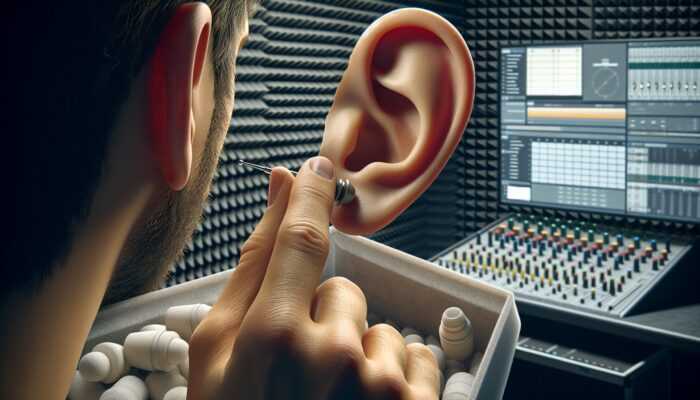
Numerous types of hearing protection devices exist specifically for musicians, each designed to offer varying levels of sound attenuation while maintaining audio fidelity. Earplugs are the most prevalent choice; specially designed musicians’ earplugs filter harmful frequencies without altering the sound quality of the music. These earplugs are available in custom-fitted and generic varieties, catering to different comfort levels and sound clarity needs.

Another excellent option includes in-ear monitors (IEMs), which serve a dual purpose: they protect against harmful sound levels while enabling musicians to hear their performances clearly. IEMs can be tailored to meet the preferences of individual musicians, providing sound isolation that can significantly enhance performance quality. Additionally, noise-canceling headphones prove effective for practice sessions, allowing musicians to concentrate on their sound without external disturbances. Each type of device comes with its own set of advantages, making it essential for musicians to choose the right one based on their unique needs and the environments in which they perform.

Advantages of Regular Hearing Protection Usage

The regular use of hearing protection can provide musicians with substantial long-term benefits. Consistently wearing hearing protection helps to prevent permanent auditory damage, allowing musicians to sustain their performance quality throughout their careers. By shielding their ears from excessive noise levels, musicians can preserve their hearing health and experience a richer auditory environment.

Moreover, utilizing hearing protection can enhance concentration and overall performance. Musicians who wear earplugs or IEMs often find it easier to focus on the intricate details of their music without the interference of overwhelming external sound. This heightened focus can lead to improved performance quality, as musicians become less distracted by surrounding noise. Additionally, the investment in quality hearing protection is financially prudent, enabling musicians to prolong their careers and avoid expensive medical treatments associated with hearing loss.

Insights from Experts on the Necessity of Hearing Protection for Musicians

How Can Musicians Recognize Symptoms of Hearing Loss?

Recognizing the early signs of hearing loss is essential for musicians, as early diagnosis can facilitate better management and treatment options. Common signs include persistent ringing in the ears (tinnitus), which may present as a constant buzzing or hissing sound. Musicians might also experience difficulties in hearing conversations, particularly in noisy settings, or find themselves more sensitive to loud noises. Monitoring these symptoms closely can empower musicians to take preventative measures before substantial damage occurs.

  • Ringing or buzzing in the ears (tinnitus)
  • Difficulty hearing conversations, especially in loud environments
  • Sensitivity to loud sounds
  • A sensation of fullness in the ears
  • Increased volume of music or television
  • Muffled hearing experiences
  • Challenges in distinguishing between similar sounds
  • Struggles to follow conversations in group settings

Being aware of these symptoms enables musicians to seek professional help and implement necessary protective strategies, such as using hearing protection devices during performances and rehearsals.

What Recommendations Do Audiologists Have for Musicians?

Audiologists strongly advocate for the use of custom-fitted earplugs among musicians, as these devices provide superior sound quality and comfort compared to standard options. Custom earplugs are molded to fit each individual’s ear shape, ensuring a snug fit that enhances sound isolation without compromising audio quality. Additionally, audiologists recommend regular hearing assessments to monitor changes in hearing health, particularly for musicians who regularly perform in loud environments.

For instance, renowned audiologist Dr. Jane Smith, who has collaborated with many prominent musicians, recommends that musicians undergo annual hearing evaluations. She emphasizes the necessity of using hearing protection and encourages musicians to educate themselves about the risks of noise-induced hearing loss. Many audiologists also underscore the importance of understanding personal exposure limits to loud music, advising breaks between sets and reducing overall volume levels whenever feasible.

How Education Can Enhance Hearing Protection Awareness

Education plays a critical role in promoting the use of hearing protection among musicians. Many musicians remain unaware of the dangers associated with noise exposure and the protective devices available. Integrating hearing protection education into music programs and workshops can inform both novice and seasoned musicians about the significance of protecting their hearing.

Workshops led by audiologists can provide practical demonstrations on the effective use of various types of hearing protection, helping musicians to grasp their benefits. Furthermore, sharing personal experiences from successful musicians who have faced hearing loss can create a compelling narrative that highlights the importance of proactive measures. By cultivating a culture of awareness and education regarding hearing protection, the music community can better safeguard its members and ensure that future generations of musicians can pursue their passion without endangering their hearing.

Advancements in Hearing Protection Technology

Innovations in Earplug Design for Enhanced Protection

The domain of hearing protection has witnessed significant innovations in recent years, particularly concerning the design and materials used for earplugs. New technologies enable the creation of earplugs that not only provide superior sound attenuation but also ensure maximum comfort for extended use. For instance, modern materials like hypoallergenic silicone offer a softer feel, minimizing discomfort during lengthy performances.

Many contemporary earplugs now feature adjustable filters that allow musicians to tailor their level of sound attenuation to suit their specific environment. These advancements encourage more musicians to incorporate hearing protection into their routines, as they provide a more enjoyable listening experience without sacrificing sound quality. Furthermore, the availability of discreet designs ensures that musicians can wear them confidently without compromising their stage presence.

How Have In-Ear Monitors Evolved to Enhance Sound Quality?

In-ear monitors (IEMs) have significantly evolved over the years, becoming an indispensable tool for modern musicians. Initially designed solely for sound amplification, today’s IEMs offer customizable sound profiles and improved protection against external noise. Numerous professional musicians now rely on IEMs not only for monitoring their performances but also for safeguarding their hearing in loud environments.

When choosing IEMs, musicians should consider several factors. The fit is of utmost importance; a custom fit can greatly enhance sound quality and comfort. Additionally, musicians should evaluate the sound isolation capabilities to ensure that external noise is minimized while allowing for pristine audio playback. Lastly, the sound profile should align with the musician’s individual preferences, as many IEM manufacturers now offer options to customize frequency responses based on personal needs. Selecting the appropriate IEM can elevate a musician’s performance while simultaneously delivering crucial hearing protection.

The Future of Hearing Protection Technology for Musicians

The future of hearing protection technology holds the promise of even more advanced solutions for musicians. Researchers are actively exploring innovative materials that could provide superior sound attenuation while preserving sound quality. New developments in smart hearing protection devices, such as earplugs equipped with built-in sensors that adjust attenuation levels in real-time, are on the horizon. These advancements could significantly improve musicians’ ability to protect themselves from harmful noise levels without compromising their auditory experience.

Moreover, integrating wearable technology with hearing protection could give musicians real-time feedback on their sound exposure levels, empowering them to make informed decisions regarding their hearing health. The incorporation of artificial intelligence into hearing protection devices could allow for personalized adjustments based on the environment and individual auditory requirements, revolutionizing how musicians approach hearing conservation. As technology continues to progress, musicians will gain access to increasingly effective solutions to protect their most precious asset—their hearing.

The Consequences of Hearing Loss on a Musician’s Career

How Does Hearing Loss Impact a Musician’s Performance Quality?

Hearing loss can have a profound effect on a musician’s ability to perform at their best. Musicians depend on their auditory senses for various vital aspects of their craft, including pitch recognition, timing, and overall sound quality. When hearing impairment occurs, it can hinder the ability to perceive subtle tonal differences and maintain rhythm, resulting in a noticeable decline in performance quality.

Additionally, the psychological repercussions can be just as damaging. Musicians typically develop a heightened awareness of their auditory capabilities, and any decline can lead to diminished confidence and stage presence. As hearing deteriorates, musicians may grapple with anxiety and self-doubt, fearing that they can no longer meet the same performance standards. In a competitive industry, maintaining confidence is essential, and hearing loss can jeopardize a musician’s career trajectory and opportunities.

Long-Term Career Consequences of Hearing Loss

The long-term consequences of hearing loss for musicians can be dire, often resulting in career shifts or premature retirement. As musicians confront the reality of their diminishing auditory capabilities, they may find it increasingly difficult to secure performance opportunities, especially since many venues and bands prioritize musicians with intact hearing. This situation can lead to feelings of isolation and frustration.

In some instances, musicians may be compelled to transition into non-performing roles such as teaching or music production. While these roles can be rewarding, they may lack the same fulfillment as live performances. Additionally, the financial implications can be considerable, as musicians with hearing loss may face diminishing earning potential over time. This reality highlights the critical need for proactive hearing protection measures to preserve musicians’ careers and allow them to continue pursuing their passion for music for as long as possible.

Effective Strategies for Managing Hearing Loss

Managing hearing loss is vital for musicians to sustain their careers successfully. One effective strategy involves utilizing assistive devices like hearing aids or specialized monitoring systems, which can enhance sound clarity and provide essential auditory cues during performances. By incorporating these devices, musicians can adapt their playing techniques, ensuring they remain engaged in their craft despite hearing challenges.

Additionally, musicians can explore alternative playing styles or instruments that require less dependence on acute hearing. For example, percussionists may benefit from concentrating on rhythmic patterns rather than melodic content, while vocalists might focus on dynamic expression over pitch accuracy. These adaptations enable musicians to continue contributing to the music world while preserving their unique artistic voice.

The Emotional and Psychological Effects of Hearing Loss

The emotional and psychological ramifications of hearing loss in musicians can be substantial, often leading to emotional distress and mental health challenges. Many musicians experience feelings of isolation and despair as they struggle with the loss of their auditory skills. The stress of uncertainty regarding their future in music can amplify feelings of anxiety and depression, adversely affecting overall well-being.

Support from peers and mental health professionals can be instrumental in helping musicians navigate these challenges. Building a support network and engaging in open discussions about hearing loss and its impact can relieve some emotional burdens. Encouraging musicians to share their experiences fosters connection and understanding, creating a more supportive environment within the music community.

Technological Innovations Enhancing Musical Performance

Recent technological advancements provide new tools for musicians dealing with hearing loss, improving their ability to perform and record music effectively. Devices like advanced hearing aids are now specifically designed for musicians, allowing for customizable sound profiles that cater to their unique auditory needs. Innovations in sound amplification technology also assist musicians in hearing themselves and their fellow performers more clearly, ensuring high-quality performances can be maintained.

Furthermore, software applications tailored for musicians enable them to analyze sound frequencies and adjust their sound environments accordingly. These tools empower musicians to make informed choices about their auditory health, leading to better management of hearing loss. As technology continues to evolve, the music industry is likely to witness even more customized solutions that enable musicians to continue their craft with confidence and creativity.

Research-Backed Insights on the Necessity of Hearing Protection for Musicians

What Does Current Research Reveal About Hearing Protection?

Extensive research consistently shows that musicians who regularly use hearing protection experience fewer incidences of hearing loss and tinnitus compared to those who do not. Studies indicate that consistent use of earplugs and in-ear monitors significantly mitigates the risk of long-term auditory damage. A comprehensive analysis of musicians’ health data revealed that those who utilized hearing protection demonstrated a significantly lower incidence of noise-induced hearing loss.

Moreover, an expert review of various studies suggests that education regarding sound exposure and the advantages of hearing protection correlates with higher adoption rates among musicians. When musicians comprehend the risks and the protective measures available, they are more inclined to invest in their hearing health. This growing body of research underscores the necessity of incorporating hearing protection practices into the daily routines of musicians.

The Effectiveness of Various Hearing Protection Methods

Research has demonstrated that custom-fitted earplugs and in-ear monitors offer more effective protection than generic solutions for musicians. Custom earplugs are specifically designed to match the unique shapes of individual ears, ensuring a snug fit that enhances comfort and sound quality. This tailored approach results in significantly better attenuation of harmful noise levels while allowing musicians to hear critical elements of their performance.

In contrast, generic earplugs can cause discomfort and diminish sound clarity, which may dissuade their use. Studies indicate that musicians who prioritize personalized hearing protection exhibit a higher commitment to their auditory health. This commitment fosters a cycle of consistent protection, ultimately preserving long-term hearing capabilities and enhancing overall performance quality.

Longitudinal Studies on Musicians’ Auditory Health

Longitudinal studies illustrate the advantages of early and consistent use of hearing protection in maintaining musicians’ hearing health. These studies track musicians over extended periods, revealing that those who incorporate hearing protection into their routines experience significantly less hearing loss over time compared to their peers who do not. The correlation between protective measures and sustained auditory health is evident, emphasizing the pivotal role of preventive practices in the music industry.

Furthermore, these studies highlight that musicians who adopt hearing protection early in their careers are better equipped to handle the auditory challenges inherent in professional performance. The data underscores the importance of fostering a culture of hearing protection, where musicians prioritize their auditory health from the outset of their careers. By nurturing this culture, the music industry can help ensure that musicians enjoy long, fulfilling careers devoid of the detrimental consequences of hearing loss.

Practical Guidelines for Utilizing Hearing Protection

How to Select the Most Suitable Hearing Protection?

Choosing the right type of hearing protection is essential for preserving auditory health while ensuring comfort during performances. Musicians should take into account several factors when selecting hearing protection devices. Primarily, the genre of music performed and the environment significantly influence the choice; genres characterized by higher sound levels may necessitate more robust protective measures.

Comfort is another vital factor; musicians should choose earplugs or monitors that fit snugly and do not cause discomfort. Moreover, sound quality should not be compromised; selecting devices that facilitate clear sound reproduction is critical for effective performance. Finally, musicians should assess the level of sound attenuation required based on their specific exposure risks.

  • Type of music and performance environment
  • Comfort and fit of the device
  • Sound quality and clarity
  • Level of sound attenuation required
  • Ease of use and maintenance
  • Portability for travel
  • Price and budget considerations
  • Brand reputation and reviews

Considering these factors can guide musicians in making informed decisions about their hearing protection, ultimately safeguarding their auditory health.

Best Practices for Wearing Hearing Protection Effectively

To optimize the effectiveness of hearing protection, musicians should adhere to best practices for wearing and maintaining their devices. Correct insertion and positioning are essential; earplugs should be placed deep enough to ensure a secure fit, while in-ear monitors must be properly adjusted for optimal sound isolation. Routine cleaning and maintenance are also crucial to prolonging the lifespan of the devices and ensuring they function effectively.

Musicians should perform regular inspections of their hearing protection devices, looking for signs of wear or damage. Additionally, familiarizing themselves with the specific instructions provided by manufacturers is essential for proper use. Consistent adherence to these best practices can amplify the protective capabilities of hearing devices, leading to improved auditory health outcomes.

Addressing Common Barriers to Using Hearing Protection

Numerous musicians encounter barriers to consistently utilizing hearing protection, including misconceptions about their effectiveness and issues related to comfort. Addressing these misconceptions is vital for encouraging widespread adoption. For instance, some musicians mistakenly believe that wearing earplugs will impair their ability to hear musical nuances. However, well-designed earplugs and monitors can maintain sound clarity while safeguarding hearing.

Comfort can also pose a significant barrier; to overcome this, musicians should explore various types of hearing protection to identify the most suitable options. Engaging in conversations with peers who successfully use hearing protection can create a supportive environment that motivates others to adopt similar practices. By tackling these barriers and fostering a culture of hearing protection, the music community can help ensure the auditory health of its members.

The Psychological Benefits of Using Hearing Protection

How Does Hearing Protection Enhance a Musician’s Confidence?

Utilizing hearing protection can significantly bolster a musician’s confidence during performances. By assuring themselves that they are protecting against long-term hearing damage, musicians can focus entirely on their craft. This improved focus fosters greater emotional expression and creativity, as musicians feel secure in their auditory landscape.

Moreover, the knowledge that they are taking proactive steps to preserve their hearing health can cultivate a more positive mindset. Musicians who incorporate hearing protection often report feeling more relaxed and engaged during performances, which can lead to improved audience interaction and overall performance quality. This positive feedback loop reinforces the value of hearing protection as a tool not only for safeguarding health but also for enhancing self-assurance on stage.

The Influence of Hearing Protection on Mental Well-Being

Protecting one’s hearing is crucial for overall mental well-being for musicians. The anxiety and stress associated with potential hearing loss can create a negative cycle that adversely affects motivation and performance quality. By consistently using hearing protection, musicians can mitigate some of this stress, knowing they are taking steps to safeguard their most important asset.

Furthermore, musicians who prioritize their hearing health frequently report reduced anxiety related to performances. This decrease in stress contributes to a more fulfilling musical experience, enabling musicians to connect more profoundly with their craft and audience. Establishing a routine that incorporates hearing protection can promote a healthier mindset, ultimately enhancing both performance quality and personal well-being.

Fostering a Culture That Values Hearing Protection

Encouraging a culture of hearing protection within the music community is vital for preventing hearing loss among musicians. This culture begins with education and awareness, as musicians must comprehend the risks associated with noise exposure and the benefits of protective measures. By sharing success stories and testimonials from respected artists who prioritize hearing health, the community can motivate others to follow suit.

Collaborations among musicians, venues, and educators can help normalize discussions around hearing protection. Hosting workshops, providing accessible resources, and ensuring that hearing protection devices are readily available at performances can create a supportive environment. As more musicians champion and adopt hearing protection, it creates a ripple effect that inspires others to prioritize their auditory health, ultimately contributing to a healthier and more sustainable music industry.

The Role of Music Venues and Educators in Promoting Hearing Protection

What Actions Can Music Venues Take to Support Hearing Protection?

Music venues play a critical role in advocating for hearing protection for both performers and audiences. One effective initiative is to offer hearing protection devices, such as earplugs, at the entrance or merchandise stands. This accessibility encourages both musicians and audience members to prioritize their hearing health during events.

Furthermore, venues should implement educational campaigns that raise awareness about the risks of noise exposure and the importance of hearing protection. Organizing workshops or informational sessions can equip musicians with the knowledge necessary to protect their hearing effectively.

  • Provide complimentary hearing protection devices at events
  • Include informational materials about hearing health
  • Host workshops focused on the importance of hearing protection
  • Create a designated space for musicians to discuss hearing health
  • Encourage artists to promote hearing protection through their setlists or announcements
  • Collaborate with audiologists for events centered on hearing safety
  • Establish partnerships with hearing protection manufacturers for discounts
  • Implement mandatory hearing protection policies for all performers

These proactive measures can cultivate a culture of hearing safety within music venues, ultimately benefitting both musicians and audience members alike.

The Critical Role of Music Educators in Hearing Protection Awareness

Music educators are instrumental in instilling the importance of hearing protection among their students. By including discussions about auditory health in their curriculum, educators can raise awareness among aspiring musicians from an early stage. They can also demonstrate effective techniques for using hearing protection devices, ensuring students are well-equipped with the knowledge needed to safeguard their hearing.

Moreover, educators can actively encourage students to adopt good habits regarding hearing protection during rehearsals and performances. By fostering a culture of responsibility surrounding hearing health, music educators can significantly influence their students’ long-term auditory well-being.

Collaborating with local audiologists and hearing protection manufacturers can provide educators with valuable resources and knowledge to enhance their teaching. Ultimately, these efforts contribute to a new generation of musicians who prioritize their hearing health.

Collaborative Initiatives for Hearing Protection Advocacy

Collaboration among musicians, venues, and educators is essential for effective advocacy surrounding hearing protection. By working together, these stakeholders can develop a unified message that highlights the importance of auditory health within the music community. Joint events, such as awareness campaigns or workshops, can draw attention to the risks associated with noise exposure and the benefits of hearing protection.

Moreover, musicians can leverage their influence to advocate for hearing protection. When prominent artists share their experiences with hearing loss and the measures they’ve taken to protect their hearing, it resonates with a broader audience. These collective efforts can inspire a cultural shift within the music community, motivating individuals to prioritize their auditory health.

Engaging in continuous dialogue about hearing protection, sharing resources, and collaborating on initiatives can establish a robust network dedicated to safeguarding the hearing of musicians. By fostering this sense of community, the music industry can collectively ensure the well-being of its members.

Implementing Effective Hearing Protection Policies in Music Venues

Establishing mandatory hearing protection policies in music venues can significantly enhance the safety of both performers and audiences during events. Venues should develop clear guidelines that stipulate the requirement for hearing protection for all performers, especially in environments with elevated sound levels. This policy not only safeguards musicians but also promotes a culture of safety among audience members.

Additionally, venues can implement sound monitoring systems to ensure that noise levels remain within safe limits. By actively monitoring and managing sound exposure, venues demonstrate a commitment to protecting the auditory health of everyone involved. Furthermore, providing education about the importance of hearing protection through signage and announcements can reinforce this message.

Regular training for staff on the significance of hearing protection will further support these initiatives, ensuring that everyone in the venue understands the importance of safeguarding hearing. As these policies become standard practice, the music industry can create a safer environment for all participants.

Training Programs for Music Educators Focused on Hearing Protection

Training programs designed for music educators that focus on hearing protection can empower them to better educate their students about the importance of auditory health. These programs can cover a range of topics, including the risks associated with noise exposure, the benefits of hearing protection, and effective strategies for teaching these concepts within the classroom.

Incorporating real-world examples and case studies can enhance educators’ understanding and provide valuable context for their students. Additionally, training sessions can include hands-on demonstrations of various types of hearing protection devices, allowing educators to effectively share these insights with their students.

Establishing ongoing professional development opportunities ensures that music educators remain informed about the latest advancements in hearing protection technology and teaching strategies. By equipping educators with the necessary knowledge and tools, the music community can foster a generation of musicians who prioritize their hearing health from the very beginning of their careers.

Frequently Asked Questions

Why is hearing protection essential for musicians?

Hearing protection is essential for musicians to prevent noise-induced hearing loss and tinnitus due to exposure to loud music. By protecting their hearing, musicians can continue performing without jeopardizing their auditory health.

Which types of hearing protection are most suitable for musicians?

The most suitable types of hearing protection for musicians include custom-fitted earplugs, in-ear monitors, and high-fidelity earplugs specifically designed for musicians, ensuring both comfort and sound quality.

How can I determine if I’m experiencing hearing loss?

Symptoms of hearing loss may include ringing in the ears, difficulty hearing conversations, increased sensitivity to noise, and a sensation of muffled sounds. Monitoring these signs can prompt early professional consultation.

What should I consider when selecting earplugs?

When selecting earplugs, consider aspects like sound attenuation level, comfort, fit, sound quality, and the specific musical environment where they will be utilized.

Are custom-fitted earplugs a worthwhile investment?

Yes, custom-fitted earplugs provide superior comfort, enhanced sound quality, and effective noise attenuation tailored to individual ear shapes, making them a valuable investment for musicians.

How frequently should musicians have hearing check-ups?

Musicians should aim for annual hearing check-ups, particularly if they are regularly exposed to loud music. Regular monitoring aids in early detection of hearing issues.

What is the best way to maintain hearing protection devices?

To maintain hearing protection devices, clean them regularly according to the manufacturer’s instructions, check for wear and tear, and store them appropriately in a protective case.

Can hearing loss impact my music career?

Yes, hearing loss can significantly affect a musician’s ability to perform effectively, leading to reduced confidence, performance quality, and potential career challenges.

What role do music venues play in hearing protection initiatives?

Music venues can advocate for hearing protection by providing devices, educating performers and audiences about risks, and establishing policies that mandate hearing protection during events.

How can I encourage my bandmates to prioritize hearing protection?

Share information regarding the risks associated with hearing loss, discuss your experiences, and consider providing access to hearing protection devices to motivate your bandmates to prioritize their hearing health.

Discover more on our X page!

The post Hearing Protection: Essential for Musicians’ Ear Safety appeared first on The Microsuction Ear Wax Removal Network.
Categories
Ear Protection Health & Wellness

Essential Tips for Protecting Your Ears From Loud Noises

Last Updated on 16/05/2025 by Admin

Comprehensive Guide to Noise-Induced Hearing Loss and Its Prevention

Defining Noise-Induced Hearing Loss and Its Impacts

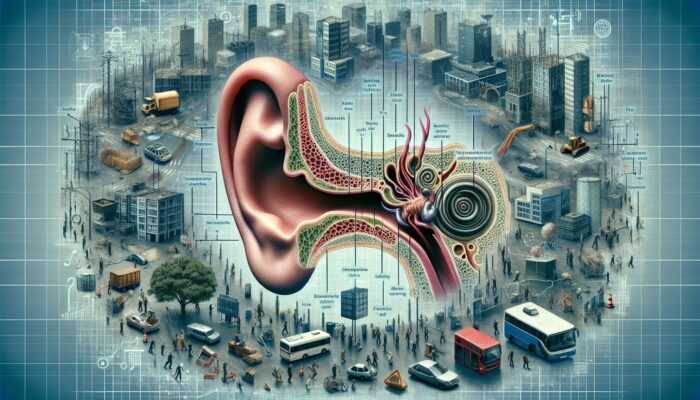
Cross-section of inner ear with damaged hair cells, urban noise sources, people struggling to communicate.

noise-induced hearing loss is a critical public health issue that impacts millions of individuals around the globe. This condition occurs when exposure to excessively loud sounds damages the sensitive hair cells located in the inner ear, resulting in lasting hearing impairment. Once these hair cells are harmed, they do not regenerate, leading to irreversible hearing loss. The repercussions of this condition are extensive, affecting communication abilities, workplace productivity, and overall enjoyment of life. As urbanization accelerates globally, the levels of noise pollution continue to rise, highlighting the urgent need to understand the underlying causes and effective prevention methods for noise-induced hearing loss.

Around the world, individuals encounter harmful noise levels in diverse settings, including bustling cities, industrial factories, and lively concerts. Research indicates that prolonged exposure to sounds exceeding 85 decibels can result in serious auditory damage. The risk intensifies with extended exposure, as the cumulative effects can hasten hearing loss. Raising awareness about this issue is essential since many people may not be fully aware of the dangers posed by their everyday noise exposure. Whether it’s the din of city traffic or the booming bass at live music shows, recognizing that these sounds can lead to hearing loss is the crucial first step toward effective prevention.

Safeguarding your ears from loud noises is vital not just for maintaining your hearing but also for ensuring your overall health and well-being. A diminished quality of life can result when communication becomes difficult, potentially leading to social isolation, depression, and related mental health challenges. Therefore, it is crucial to address the risks associated with noise exposure and to promote strategies for hearing preservation across communities worldwide.

Identifying Dangerous Sound Levels for Hearing Health

Understanding what constitutes “too loud” is essential in combating noise-induced hearing loss. Sounds that exceed 85 decibels are generally considered hazardous, with the threat of hearing damage escalating as sound intensity rises and exposure duration increases. For example, a standard conversation typically registers around 60 decibels, whereas a rock concert can surpass 110 decibels. Prolonged exposure to such elevated sound levels can cause irreversible harm to the auditory system.

Grasping the concept of decibel levels empowers individuals to make informed decisions regarding their exposure to loud environments. For instance, sounds associated with chainsaws, lawnmowers, or heavy machinery often exceed 100 decibels, necessitating immediate use of hearing protection. Conversely, while recreational activities like attending concerts or sporting events can be enjoyable, they also carry significant risks for hearing health if adequate safety measures are ignored.

Global awareness campaigns have underscored the significance of understanding noise levels and their consequences for hearing health. Numerous countries have enacted regulations to protect workers in noisy environments, mandating the use of ear protection in industries such as construction, manufacturing, and entertainment. Emphasizing the importance of sound level measurement and recognizing when action is necessary can empower individuals to take proactive steps toward preserving their hearing.

Strategies for Preventing Irreversible Hearing Damage

Preventing irreversible hearing damage necessitates a comprehensive strategy that extends beyond merely avoiding loud sounds. Regular breaks from noisy environments can significantly diminish the likelihood of hearing loss. For example, if one finds themselves at a concert or in a loud factory, taking a brief respite can allow the ears to recuperate from the strain of high decibel levels. This practical approach is essential for everyone, from enthusiastic concert-goers to diligent factory workers.

Moreover, employing protective equipment such as Earplugs or earmuffs is crucial in the prevention of hearing loss. These devices are specifically designed to mitigate the damaging effects of loud sounds on the auditory system. Custom-fitted ear protection can be especially effective, as it is molded to the unique contours of an individual’s ear, ensuring both comfort and sound attenuation.

Education plays an indispensable role in prevention efforts. Communities around the globe stand to benefit from initiatives aimed at raising awareness about noise-induced hearing loss and the significance of protecting one’s ears from loud sounds. Educational opportunities in schools, workplaces, and public events can serve as platforms to inform individuals about the dangers of excessive noise exposure and the simple steps they can take to safeguard their hearing health.

Exploring Various Types of Ear Protection

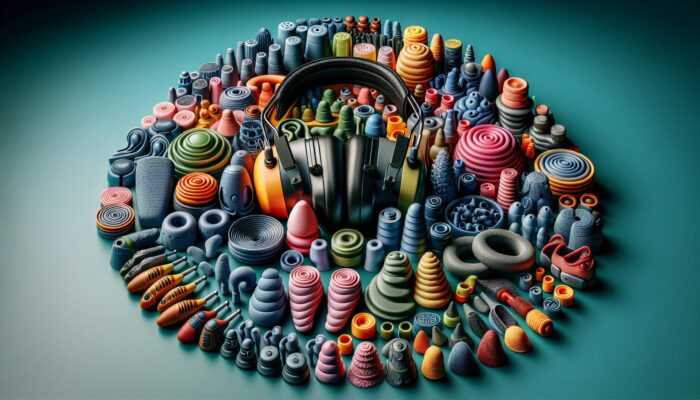
A variety of ear protection devices like earmuffs, earplugs, and custom molds in different colors and sizes.

Understanding the Benefits of Earplugs

Earplugs represent one of the most accessible forms of hearing protection available today. These compact devices are inserted into the ear canal to block out noise, effectively reducing sound exposure. Available in both disposable and reusable options, earplugs offer a versatile solution for a variety of environments and activities. Disposable earplugs, typically crafted from foam or wax, are convenient for one-time use, making them ideal for events such as concerts or festivals. Their affordability and ease of use render them a popular choice for individuals who may not require ear protection on a regular basis.

Conversely, reusable earplugs are designed for extended use and can be constructed from silicone or other durable materials. They are generally easier to clean and can provide a more personalized fit for the user. Custom earplugs, which are molded specifically to the wearer’s ear shape, offer the highest level of comfort and effectiveness. These are particularly beneficial for musicians, frequent concert attendees, or individuals working in noisy environments, as they provide consistent protection without compromising comfort.

Understanding the proper usage and fitting techniques for earplugs is vital to maximize their effectiveness. Incorrectly inserted earplugs may not adequately block sound, leaving users susceptible to harmful noise levels. The process of inserting earplugs should be executed carefully, ensuring a snug fit to create an effective seal. Regular cleaning and maintenance are also critical to prolonging their lifespan and effectiveness.

Exploring the Advantages of Earmuffs

Earmuffs are another widely-used option for protecting ears from loud noises. Covering the entire ear, these devices are particularly effective in industrial environments where noise levels are consistently elevated. Crafted from cushioned materials and often featuring noise-canceling technology, earmuffs provide substantial sound attenuation, making them indispensable for workers in construction, manufacturing, or other loud settings.

The primary advantage of earmuffs lies in their ability to deliver comfort while ensuring effective noise reduction. Unlike earplugs, which may cause discomfort during prolonged use, earmuffs can be worn for extended durations without irritation. Many models are designed to accommodate a wide range of head sizes and shapes, ensuring a secure and comfortable fit for all users.

Earmuffs come in various styles, including passive and electronic variations. Passive earmuffs deliver consistent noise reduction and are ideal for environments with constant noise. In contrast, electronic earmuffs can amplify softer sounds while still blocking out harmful noise levels. This feature is particularly advantageous for workers who need to communicate while protecting their hearing.

When selecting earmuffs, it’s important to consider factors such as the noise reduction rating (NRR), comfort, and specific industry requirements. Earmuffs not only serve as a practical choice but can also be stylish, available in a variety of designs to fit individual preferences.

Custom-Fitted Ear Protection: The Best Choice for Comfort

Custom-fitted earplugs being molded in a soundproof booth with industrial and musical equipment.

For optimal comfort and sound reduction, custom-fitted ear protection is highly recommended. These devices are specifically molded to an individual’s ear, ensuring a perfect fit that enhances their effectiveness in blocking harmful sounds. Custom earplugs and earmuffs are especially beneficial for musicians, industrial workers, and anyone consistently exposed to high noise levels.

The process of acquiring custom-fitted ear protection typically involves a professional fitting, where impressions of the ear are taken to create a personalized fit. This degree of customization not only boosts comfort but also increases the likelihood that users will consistently wear their ear protection. The importance of utilizing hearing protection cannot be overstated, particularly for those operating in environments where noise levels exceed safe thresholds.

Custom-fitted ear protection offers more than just comfort; it also enhances sound quality and clarity for specific activities. For musicians, custom earplugs can reduce sound levels without distorting the audio, allowing them to hear their performances more clearly while still preserving their hearing. This advantage is crucial for those working in the music industry, where exposure to loud sounds is an everyday reality.

While custom-fitted protection may require a higher initial investment than disposable options, the long-term benefits, including improved comfort and durability, make it a worthwhile investment. Additionally, many providers offer warranties or replacement options, ensuring that users can maintain optimal ear protection throughout their careers.

When to Use Hearing Protection Devices

Protecting Your Ears at Concerts and Live Music Events

Concerts and live events are often sources of joy and entertainment, but they can also pose significant risks to your auditory health. The decibel levels at these events can easily surpass safe limits, making ear protection essential for attendees. Whether it’s a rock concert, a music festival, or a theatrical performance, being proactive about hearing safety can prevent long-term damage to your hearing.

Attending live music events without proper ear protection can lead to immediate discomfort along with long-term hearing challenges. Even a single night of exposure to excessive sound levels can result in temporary threshold shifts—a short-term decrease in hearing sensitivity. Repeated exposure over time can culminate in permanent hearing loss, making it critical to adopt preventive measures.

High-fidelity earplugs have become popular among concert-goers as they reduce volume while preserving sound quality. These earplugs enable users to enjoy the music without jeopardizing their hearing. Encouraging concert venues to promote hearing safety by offering ear protection options or awareness campaigns can significantly enhance the overall well-being of attendees.

Venues worldwide are increasingly acknowledging the importance of hearing protection and integrating it into their safety protocols. From providing earplugs at the entrance to promoting awareness about noise levels, these initiatives can significantly reduce the risk of noise-induced hearing loss among concert-goers.

Ensuring Hearing Safety in Noisy Work Environments

Noise exposure in the workplace is a major concern for various industries, including construction, manufacturing, and transportation. Workers in these environments are often subjected to loud machinery and equipment that can lead to irreversible hearing damage. Implementing effective hearing protection strategies is paramount for safeguarding worker safety and health.

Employers bear the responsibility of providing their employees with appropriate hearing protection and training on its application. Regular assessments of noise levels can help identify areas where ear protection is necessary, and supplying earmuffs or earplugs should be standard practice in high-noise work settings. Moreover, fostering a culture that prioritizes hearing health can lead to enhanced compliance and awareness among employees.

Regular training sessions that educate workers about the risks associated with noise exposure and proper hearing protection techniques can empower them to take charge of their auditory health. Simple practices such as taking breaks in quieter areas or rotating tasks to minimize exposure can significantly reduce the risk of noise-induced hearing loss.

Additionally, workplaces can benefit from routine hearing screenings to monitor employees’ hearing health. Early detection of hearing loss can facilitate timely interventions and prevent further deterioration, ultimately creating a safer and more productive work environment.

Using Ear Protection During Recreational Activities

Many recreational activities expose participants to harmful noise levels, making the use of ear protection essential. Shooting sports, motorcycling, and even attending sports events can all present significant auditory risks. Understanding when to utilize ear protection during these activities can help safeguard your hearing for years to come.

Engaging in shooting sports is particularly loud, as gunfire can reach levels exceeding 140 decibels. Such intense noise exposure can lead to immediate hearing damage. Utilizing earmuffs or earplugs while shooting is crucial for protecting your ears and ensuring a safe experience. Many shooting ranges offer ear protection for visitors, but bringing your own can ensure a better fit and comfort.

Motorcycling also poses risks, as wind noise at high speeds can exceed 100 decibels, increasing the likelihood of hearing loss over time. Wearing a helmet equipped with built-in ear protection or using earplugs designed for motorcyclists can mitigate this risk while allowing riders to enjoy their journeys.

Attending sports events, such as football or soccer matches, can also expose fans to loud cheers, music, and announcements that may harm their hearing. Bringing earplugs to these events can enhance the experience while protecting your ears from potential damage. Raising awareness about hearing protection in recreational settings can help cultivate a culture that values auditory health.

Implementing Hearing Protection While Using Power Tools

Using power tools often generates noise levels that surpass safe limits, making hearing protection an essential consideration during these tasks. Tools such as chainsaws, drills, and grinders can produce sounds exceeding 100 decibels, presenting a significant risk for anyone involved in home improvement or construction projects.

When operating power tools, wearing earmuffs or earplugs is a non-negotiable safety measure. Selecting the appropriate ear protection can prevent hearing damage while allowing you to concentrate on the task at hand. It’s crucial to choose hearing protection with a suitable noise reduction rating (NRR) to ensure adequate sound attenuation for the specific tool being utilized.

Understanding the duration of exposure is equally important. Taking regular breaks from using power tools can significantly minimize hearing risks. Rotating tasks or scheduling quieter periods while working can considerably lower cumulative noise exposure, allowing your ears to recover.

Awareness campaigns aimed at DIY enthusiasts and professionals alike can effectively promote the importance of hearing protection when using power tools. Workshops or community classes that emphasize safety measures, including the proper use of power tools and the essential role of hearing protection, can heighten awareness and establish a culture of safety.

Prioritizing Ear Protection at Firearm Ranges

Firearm ranges are notorious for producing dangerously high noise levels, with the sound of gunfire reaching decibel levels capable of causing immediate and permanent hearing loss. Consequently, ear protection is not merely recommended; it is essential for anyone using firearms.

Understanding the nature of the noise generated by firearms is crucial. A single gunshot can exceed 140 decibels, and without proper ear protection, shooters risk suffering from noise-induced hearing loss after just one session at the range. To ensure maximum protection, utilizing both earmuffs and earplugs can create a dual-layer effect, significantly enhancing safety.

Many ranges now provide ear protection for visitors, but bringing personal ear protection ensures a better fit and comfort. Educating both new and experienced shooters about the necessity of ear protection can cultivate a safer shooting culture. Numerous communities host firearm safety programs that include the importance of hearing protection, emphasizing its critical role in the shooting experience.

In addition to preserving your hearing, appropriate ear protection can also enhance your overall shooting performance. Reducing unwanted noise enables shooters to concentrate better and improve their accuracy. Raising awareness about hearing safety at shooting ranges can help prevent avoidable hearing loss and ensure that enthusiasts can continue enjoying their sport for years to come.

Proper Techniques for Using and Maintaining Ear Protection

Mastering Correct Insertion Techniques for Earplugs

Proper insertion techniques for earplugs are essential for achieving maximum noise reduction and comfort. Incorrectly inserted earplugs can result in gaps that allow sound to enter, diminishing their protective effectiveness. To attain an optimal fit, adhere to specific guidelines based on the type of earplugs being utilized.

For foam earplugs, begin by rolling them into a tight cylinder. This action reduces their size, facilitating easier insertion into the ear canal. Once inserted, hold the earplug in place for a few seconds to allow it to expand and create a snug seal. It’s vital to ensure that the plug fits securely, as any gaps can permit harmful noise to bypass the protection.

Conversely, silicone or custom-fitted earplugs typically require a slightly different approach. These types should be gently pushed into the ear canal until they form a comfortable seal. Regularly practicing accurate insertion techniques can help minimize irritation and encourage consistent usage.

Education plays a pivotal role in teaching individuals the correct methods for earplug insertion. Many venues and workplaces can benefit from training sessions that demonstrate proper techniques and emphasize the significance of effective ear protection usage.

Ensuring Proper Cleaning and Storage of Ear Protection

Proper cleaning and storage of ear protection devices are critical for extending their lifespan and maintaining their effectiveness. Earplugs, particularly reusable ones, can accumulate debris, wax, and bacteria if not adequately maintained. Regular cleaning is vital to ensure that they provide optimal protection and comfort.

For foam earplugs, it is generally recommended to use them only once for hygiene reasons. However, reusable silicone earplugs can be washed with mild soap and warm water. Ensure they are thoroughly dried before storing them in a clean container to prevent contamination. Storing earplugs in a breathable, dry location can help maintain their shape and functionality.

Earmuffs require less frequent cleaning but should still be wiped down regularly with disinfectant wipes or a damp cloth. The foam cushions can attract dirt and moisture, potentially leading to bacteria build-up. Keeping earmuffs clean ensures comfort and helps prevent any irritative skin reactions while wearing them.

Proper storage of ear protection devices is equally essential. Avoid placing them in areas where they may be crushed or damaged, opting instead for designated storage bags or cases. This practice not only prolongs the lifespan of the devices but also ensures they are always readily available for use.

Knowing When to Replace Ear Protection Devices

Understanding when to replace ear protection devices is critical to ensuring their ongoing effectiveness. Regularly inspecting earplugs and earmuffs for signs of wear or damage is essential. Over time, earplugs can lose their elasticity and ability to create a proper seal, while earmuffs may suffer from fraying or deterioration of the padding.

Typically, disposable earplugs should be discarded after one use, but reusable earplugs should be replaced when they exhibit signs of wear, such as cracks or a loss of shape. If you notice that the earplugs no longer fit snugly or are uncomfortable, it’s time for a replacement.

Earmuffs should be replaced when the cushions become worn, cracked, or lose their ability to create a proper seal around the ears. Regularly checking the headband for flexibility and strength is also vital, as a damaged headband can lead to a poor fit and inadequate protection.

Establishing a routine for inspecting and replacing ear protection can help ensure that they continue to provide effective noise reduction. Many workplaces and organizations can benefit from implementing a regular maintenance schedule for hearing protection devices, fostering a culture of safety and awareness.

Conducting Regular Inspections of Ear Protection Devices

Regular checks for damage or degradation of ear protection devices are crucial to ensuring their continued effectiveness. Frequent inspections help identify potential issues before they compromise hearing protection. Establishing a routine for checking earplugs and earmuffs can significantly enhance the longevity and performance of these devices.

During inspections, look for any visible signs of wear, such as cracks, rips, or changes in texture. For earmuffs, ensure that the padding is intact and that the headband has not become weak or brittle. The effectiveness of ear protection relies on its ability to create a tight seal around the ear, so any damage should be addressed immediately.

Encouraging individuals to conduct regular inspections of their ear protection can foster a culture of accountability regarding hearing safety. Workplaces and organizations can facilitate this process by providing checklists or schedules to remind users to inspect their devices regularly.

Incorporating regular inspection practices into safety training can also ensure that users understand the importance of maintaining their hearing protection. When individuals are informed about how to care for and inspect their devices, they are more likely to prioritize their auditory health and well-being.

Advocating for Hearing Protection in Communities

Enhancing Community Awareness About Hearing Protection

Raising awareness about the significance of hearing protection in communities is crucial for preventing noise-induced hearing loss. Community programs can serve as effective platforms to educate individuals about the risks associated with loud noises and the straightforward measures they can implement to protect their hearing.

Organizing workshops, seminars, and public campaigns can help disseminate vital information regarding hearing health. Collaborating with local health organizations, educational institutions, and community centers can amplify these efforts and engage diverse audiences. Providing resources such as pamphlets and visual aids can facilitate understanding and retention of critical information.

Utilizing social media represents another effective avenue for spreading awareness. Engaging content, including videos and infographics, can reach a wider audience and stimulate discussions about hearing safety. Creating online challenges or campaigns that encourage individuals to share their experiences with noise exposure and protection can foster community involvement and raise awareness.

Schools can play a pivotal role in educating the younger generation about hearing protection. Integrating hearing health education into the curriculum can cultivate lifelong awareness and healthy habits. Simple actions, such as encouraging students to wear ear protection during music classes or loud events, can result in significant improvements in community hearing health.

Instilling Noise Safety Awareness in Children

Educating children about the dangers of loud noises and the importance of using ear protection is essential for fostering lifelong hearing health habits. Children often lack awareness of the potential risks associated with excessive noise exposure, making education a priority for parents and educators alike.

Incorporating noise safety education into school programs can effectively deliver this crucial message. Engaging activities, such as hands-on demonstrations or interactive games, can help children comprehend sound levels and the impact of noise on their hearing. Teaching them to recognize loud sounds and the necessity for protection can empower them to make informed decisions throughout their lives.

Parents can also play an active role in teaching their children about noise safety. Encouraging the use of ear protection during loud activities, such as concerts or fireworks displays, reinforces the importance of safeguarding their hearing. Providing children with fun, colorful earplugs or earmuffs can make the practice enjoyable and promote compliance.

Creating family-friendly events that emphasize noise safety can further enhance awareness in the community. Workshops or fun days at local parks can offer families valuable information about hearing health while providing hands-on experiences. By fostering a culture of safety and awareness, parents and communities can work collaboratively to protect future generations from noise-induced hearing loss.

Promoting Hearing Protection Through Workplace Safety Programs

Workplaces should implement safety programs that educate employees about the use of hearing protection devices. Such programs can play a vital role in fostering a culture of safety and awareness concerning noise-induced hearing loss. Regular training sessions and workshops can equip employees with vital knowledge and skills needed to protect their hearing effectively.

Safety programs should include information on the risks associated with noise exposure, the significance of using ear protection, and proper insertion techniques. Providing hands-on demonstrations can enhance learning and ensure that employees understand how to utilize their hearing protection correctly.

Incorporating regular hearing health assessments into workplace safety programs can also encourage compliance and awareness. By offering free hearing tests, employers can assist employees in monitoring their hearing health and identifying potential issues early. This proactive approach demonstrates a commitment to employee well-being and fosters a safer work environment.

Establishing a feedback loop within workplace safety programs can further enhance their effectiveness. Encouraging employees to share their experiences with noise exposure and protection can facilitate open discussions and promote a culture of accountability regarding auditory health.

Advocating for Hearing Protection in Recreational Activities

Encouraging the use of hearing protection during recreational activities can significantly contribute to preventing noise-induced hearing loss. Many leisure pursuits, such as shooting, attending concerts, and motorcycling, expose participants to hazardous noise levels, making awareness and protection essential.

Promoting hearing safety within recreational communities can involve distributing educational materials at relevant events. Workshops focusing on the importance of hearing protection and demonstrating proper use can engage participants and foster a culture of safety.

Collaboration with local businesses, such as shooting ranges or concert venues, can enhance awareness efforts. Providing complimentary ear protection at these events can motivate attendees to prioritize their auditory health while enjoying activities they love.

Social media platforms can serve as effective tools for promoting hearing protection in recreational activities. Engaging content, such as testimonials and informative posts, can reach a broad audience and encourage individuals to share their experiences. By fostering a community focused on hearing health, we can collectively work toward preventing noise-induced hearing loss.

Monitoring Your Hearing Health: Key Strategies

Conducting Regular Hearing Tests for Early Detection

Regular hearing tests are crucial for identifying early signs of hearing loss. Healthcare professionals recommend that individuals, especially those frequently exposed to loud environments, undergo hearing assessments at least once every one to two years. These tests can help detect any changes in hearing ability and facilitate timely interventions if necessary.

For individuals working in noisy settings or engaging in activities that expose them to loud sounds, scheduling regular hearing tests becomes even more critical. Early identification of hearing changes can prevent further deterioration and offer opportunities to address the issue before it escalates into a significant problem.

Advancements in technology have enhanced the accessibility and efficiency of hearing tests. Many audiologists now provide mobile services, enabling individuals to receive assessments without extensive travel requirements. Additionally, online hearing tests can offer preliminary assessments and direct individuals to appropriate care if needed.

Awareness campaigns emphasizing the importance of regular hearing tests can promote better hearing health throughout communities. Collaborating with local health organizations can facilitate free or low-cost testing events, encouraging individuals to prioritize their auditory health.

Identifying Symptoms of Hearing Damage for Timely Action

Recognizing the symptoms of hearing damage is vital for timely intervention. Symptoms can vary widely among individuals but commonly include ringing in the ears (tinnitus), difficulty comprehending speech, and the need to increase the volume on devices. Individuals experiencing any of these symptoms should seek professional evaluation promptly.

Tinnitus, characterized by a persistent ringing or buzzing sensation in the ears, can be one of the initial indicators of hearing damage. While it can also result from other factors, persistent tinnitus should be taken seriously, as it may signal underlying auditory issues.

Difficulty understanding conversations, especially in noisy settings, can also point to hearing loss. Individuals may find themselves straining to catch words or frequently asking others to repeat themselves. Acknowledging this symptom and seeking professional assistance early can lead to timely intervention and improved management of hearing health.

Promoting awareness about these symptoms within communities can empower individuals to take control of their auditory health. Educational programs emphasizing the importance of recognizing these signs can help prevent further deterioration and encourage proactive measures.

Seeking Professional Help for Hearing Concerns

Consulting an audiologist or hearing specialist is essential if you suspect hearing loss. These professionals are equipped to conduct comprehensive evaluations and recommend suitable interventions. Whether it involves hearing aids, therapies, or lifestyle adjustments, early professional guidance can lead to better outcomes.

Individuals should not hesitate to seek help, as early intervention can significantly enhance quality of life and create opportunities for effective hearing management. Many audiologists also provide education regarding the importance of hearing protection, empowering patients to make informed choices about their auditory health.

Regular follow-ups with hearing specialists are crucial for monitoring any changes in hearing ability. These appointments allow for adjustments to any recommended interventions and provide ongoing education about maintaining hearing health.

Cultivating a culture that prioritizes professional help for hearing issues can lead to improved awareness and early detection of hearing loss. Communities can benefit from programs that promote the importance of consulting specialists and the resources available for those experiencing hearing challenges.

Frequently Asked Questions about Hearing Protection

What causes noise-induced hearing loss?

Noise-induced hearing loss occurs due to exposure to loud sounds that damage the hair cells in the inner ear, resulting in permanent hearing impairment.

How loud is too loud for my ears?

Sounds exceeding 85 decibels are deemed dangerous, with risks escalating at higher volumes and prolonged exposure times.

What are the best types of ear protection?

The most effective types of ear protection include earplugs, earmuffs, and custom-fitted devices, each offering different levels of comfort and noise reduction.

When should I utilize ear protection?

You should use ear protection during concerts, in noisy work environments, during recreational activities involving loud sounds, and when using power tools or firearms.

How do I correctly use earplugs?

Correct usage of earplugs involves rolling them into a tight cylinder, inserting them into the ear canal, and ensuring a snug fit to block out sound effectively.

How often should I replace my ear protection devices?

Dispose of earplugs after one use, and inspect reusable earplugs or earmuffs regularly for signs of wear, replacing them as needed.

How can I educate others about hearing protection?

You can educate others by organizing community programs, sharing information on social media, and promoting the importance of using ear protection during loud activities.

What are the signs of hearing damage?

Common signs of hearing damage include tinnitus (ringing in the ears), difficulty understanding speech, and needing to increase the volume on devices.

Why are regular hearing tests important?

Regular hearing tests are essential for detecting early signs of hearing loss, allowing for timely intervention and improved management of hearing health.

How can I promote hearing protection in recreational activities?

Promote hearing protection by distributing educational materials, hosting workshops, and collaborating with local businesses to offer ear protection at events.

Discover more on X!

The post Essential Tips for Protecting Your Ears From Loud Noises appeared first on The Microsuction Ear Wax Removal Network.