Categories
Health & Wellness Hearing Health

Stress and Hearing Problems: A Universal Insight into Their Link

Understanding the Physiological Effects of Stress on Hearing Health

How Stress Hormones Affect the Auditory System
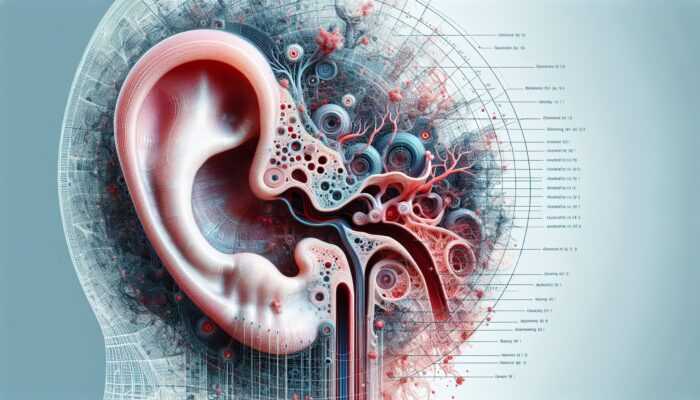
Anatomical illustration of inner ear with disrupted blood flow due to high cortisol levels, showing stress impact on hearing.

The intricate connection between stress and hearing health stems from the physiological responses our bodies experience. Central to this relationship are stress hormones, with cortisol being a key player. When we encounter high levels of stress, cortisol is released into the bloodstream, triggering a cascade of effects, including changes in blood flow. The inner ear, which is essential for hearing, depends on a steady blood supply to function optimally. Disruptions in this vital flow can worsen existing hearing problems or even initiate new ones, highlighting the need to understand and manage stress for the sake of auditory health.

Research indicates a direct correlation between chronic exposure to high cortisol levels and conditions like sensorineural hearing loss. This type of hearing loss arises from issues within the inner ear or auditory nerve and can be aggravated by insufficient blood supply and heightened stress levels. Populations living in high-stress contexts—such as busy urban areas or demanding workplaces—are particularly vulnerable to hearing complications due to these hormonal fluctuations, emphasizing the importance of addressing stress in efforts to protect auditory health.

The auditory system is particularly responsive to stress-induced changes. For instance, the cochlea, a crucial component of the inner ear, is susceptible to variations in blood flow, which can lead to both temporary and permanent damage when stress becomes chronic. The broader implications of this are significant, affecting not only individuals but entire communities in high-stress environments like Tokyo, New York, or São Paulo. Understanding these dynamics is essential for developing effective interventions to support hearing health in stressed populations.

The Impact of Muscle Tension on Hearing Health

Physical symptoms of stress often manifest as muscle tension, which can have profound effects on hearing health. Chronic stress leads to sustained tension in the muscles surrounding the ears and jaw, potentially worsening hearing difficulties. This muscle tension can produce a variety of symptoms, ranging from discomfort and pain to tinnitus—a persistent ringing or buzzing sensation in the ears. Recognizing these physical manifestations is crucial for addressing the root causes of hearing problems.

The connection between muscle strain and hearing impairment is well-documented; studies reveal that individuals with heightened muscle tension frequently report decreased hearing sensitivity. In bustling cities like Mumbai, where urban noise pollution compounds stress, the combination of external noise and internal tension can create an environment conducive to hearing deterioration. It is essential for individuals to understand the impact of stress-related muscle strain on their auditory health and to take proactive steps to mitigate these effects.

Additionally, the repercussions of muscle strain on auditory issues extend beyond mere discomfort. Tense muscles can hinder the functionality of the Eustachian tube, causing pressure imbalances within the ear. Such imbalances can significantly compromise hearing acuity, making it critical for individuals to recognize and address signs of stress-induced muscle tension promptly. Awareness and intervention can enhance overall auditory well-being and prevent further complications.

How Stress Amplifies Noise Sensitivity

In a world saturated with noise, heightened stress levels can increase sensitivity to auditory stimuli, magnifying pre-existing hearing problems. Individuals under significant stress may become easily overwhelmed by background noises, exacerbating conditions like hyperacusis, which is characterized by an increased sensitivity to normal environmental sounds. This phenomenon underscores the need to understand the psychological effects of stress on auditory perception.

This increased sensitivity can be especially problematic in densely populated areas where ambient noise levels are consistently high. Cities such as London or Hong Kong, known for their vibrant yet chaotic environments, pose unique challenges for stressed individuals. Instead of acclimating to their auditory surroundings, people experiencing stress may react more intensely, leading to anxiety and further complicating their hearing difficulties. Understanding this reaction is pivotal for developing effective coping strategies.

The interplay between stress and noise sensitivity can hinder effective communication, leading individuals to withdraw from social interactions due to discomfort with auditory overload. This withdrawal can foster feelings of isolation, negatively impacting mental health. It is crucial to advocate for both personal strategies to manage stress and broader societal initiatives aimed at reducing environmental noise pollution to support those struggling with hearing challenges.

The Relationship Between Sleep Disturbances and Hearing Function

A person in bed, awake, with abstract sound waves and disrupted sleep pattern, illustrating stress effects on hearing.

Quality sleep is vital for maintaining overall health, including optimal auditory function. However, stress frequently disrupts sleep patterns, which can have lasting repercussions on hearing recovery and health. Sleep serves as a critical time for bodily repair, including the restoration of the auditory system. When stress interferes with sleep, it compromises these restorative processes, potentially exacerbating hearing problems over time.

Studies have revealed that individuals grappling with chronic stress often report significantly poorer sleep quality, which in turn affects cognitive functions and auditory processing abilities. In a global context, the demands of modern life exacerbate these issues, leading to sleep-related hearing complications. For instance, professionals in high-pressure jobs in cities like Sydney or Los Angeles may find their inability to obtain restorative sleep due to stress negatively impacts their ability to comprehend sounds and speech throughout the day.

Moreover, the interplay between sleep and hearing is bidirectional; poor hearing can also contribute to sleep disturbances, creating a complex interrelationship that requires careful management. Therefore, implementing adequate rest through effective stress management techniques is essential for preserving hearing health. Understanding this dynamic can encourage individuals to prioritize both sleep and stress reduction in their wellness strategies.

The Immune System’s Role in Ear Health Amidst Stress

The immune system is instrumental in safeguarding ear health, and chronic stress can significantly compromise its effectiveness. When the body is under continuous stress, it prioritizes survival mechanisms, redirecting resources away from crucial functions like immune defense. Consequently, this can lead to heightened susceptibility to ear infections, which have well-documented negative effects on hearing.

Globally, communities experiencing prolonged stress—be it due to socio-economic conditions, conflict, or environmental stressors—often face increased rates of auditory issues linked to weakened immune responses. For example, populations in war-torn regions or those grappling with economic hardships frequently contend with higher rates of infections that can result in hearing loss. This underscores the importance of holistic health approaches that integrate stress management and immune support.

Furthermore, recognizing the connection between immunity and hearing health highlights the necessity for individuals to consider stress management as part of their overall wellness strategy. By fostering a robust immune system through lifestyle changes and effective stress reduction techniques, individuals can better protect their auditory health from the detrimental impacts of infections and inflammation.

Exploring the Psychological Dimensions of Hearing Health

The Influence of Anxiety on Perceived Hearing Loss

A person in a bustling city, covering ears, overwhelmed by anxiety and distorted sound waves representing heightened perception of hearing loss.

The psychological relationship between anxiety and hearing health is profound, often leading to a heightened perception of hearing loss. Individuals experiencing anxiety may misinterpret their auditory experiences, believing their hearing abilities are diminished more than they actually are. This misperception can create a self-fulfilling prophecy, where anxiety amplifies the genuine hearing difficulties faced by the individual.

Globally, this phenomenon is prevalent in various cultures, where societal expectations and pressures can exacerbate anxiety levels. In fast-paced metropolitan areas, the constant drive for performance can lead individuals to become overly critical of their hearing capabilities, resulting in increased anxiety and stress. Addressing this perception of hearing loss is essential for improving overall health and well-being.

Cognitive Behavioral Therapy (CBT) has proven effective in helping individuals manage anxiety related to their hearing health. By reframing negative thought patterns and shifting their understanding of auditory health, individuals can alleviate anxiety and enhance their quality of life. Integrating psychological support into hearing care is crucial for fostering resilience and improving outcomes.

Moreover, building supportive networks within communities can help mitigate anxiety associated with hearing loss. Educational initiatives focused on hearing health can create an environment that encourages individuals to share their experiences and learn from one another, fostering a culture of understanding and support.

Cognitive Overload as a Consequence of Stress

High stress levels can lead to cognitive overload, significantly impairing the brain’s ability to process auditory information. When individuals are preoccupied with stressors, their capacity to focus on sounds diminishes, making it increasingly challenging to engage in conversations or comprehend speech. This phenomenon is particularly detrimental in social situations where auditory cues are essential for interaction.

In regions facing high-stress environments, such as South Africa or Brazil, individuals may find their auditory processing abilities compromised. The cacophony of daily life, combined with cognitive overload, can create barriers to effective communication, resulting in frustration and feelings of isolation. Addressing these challenges is crucial for enhancing auditory health in stressed populations.

Research indicates that stress can adversely affect working memory, a critical component for following conversations and understanding complex auditory inputs. For many individuals, this decline in cognitive function leads to a retreat from social interactions, as they feel overwhelmed or incapable of engaging in verbal exchanges. Effective stress management techniques, such as mindfulness and relaxation exercises, can help individuals regain cognitive clarity and improve auditory processing, ultimately enhancing their social experiences.

Emotional Distress and Its Impact on Hearing Aid Usage

Emotional distress can create significant barriers to the effective use of hearing aids, complicating the challenges associated with hearing loss. Individuals experiencing stress or anxiety may hesitate to wear hearing aids, fearing stigma or unwanted attention regarding their hearing difficulties. This reluctance can lead to a detrimental cycle, where the lack of auditory amplification exacerbates feelings of isolation and frustration.

Globally, perceptions surrounding hearing aids differ widely. In some cultures, wearing hearing aids carries a stigma that contributes to emotional distress for those who need them. This stigma can deter individuals from seeking the assistance they require, further deteriorating their auditory health and overall well-being. Addressing these emotional aspects is essential for improving hearing aid acceptance and outcomes.

Audiologists and hearing care professionals play a crucial role in providing compassionate support and counseling to encourage acceptance of hearing aids. Community education initiatives can also help normalize the use of hearing aids, fostering a more inclusive atmosphere for individuals experiencing hearing loss. Creating supportive environments where individuals feel comfortable discussing their hearing challenges can alleviate emotional distress and promote better utilization of hearing aids.

The Effects of Depression on Auditory Processing

Depression can severely impair auditory processing, complicating the ability to comprehend speech and sounds. Individuals battling depression often experience cognitive deficits that hinder their capacity to interpret auditory information effectively. This creates a frustrating feedback loop, where difficulties in hearing lead to social withdrawal and further exacerbate depressive symptoms.

Research indicates that individuals in regions facing economic instability or social challenges, such as parts of Eastern Europe or South America, may experience higher rates of both depression and auditory processing issues. The intersection of these challenges highlights the urgent need for comprehensive approaches that address both mental health and hearing care.

Treatment strategies that tackle both auditory processing and emotional health are crucial for effective care. Multi-disciplinary approaches involving audiologists, psychologists, and mental health professionals can provide holistic support that addresses the complex needs of individuals struggling with both hearing loss and mental health challenges. Moreover, community support systems can empower individuals to seek help by fostering a culture of understanding and empathy.

The Link Between Social Isolation and Hearing Decline

Social isolation is a significant factor that accelerates hearing decline, particularly among individuals experiencing stress. When people withdraw from social interactions due to hearing challenges, they miss out on essential auditory stimulation, which is vital for maintaining hearing capabilities. This isolation can lead to decreased cognitive engagement, further compounding hearing difficulties.

Globally, social isolation is a pressing issue, especially among aging populations or communities facing socio-economic challenges. In rural areas of India or remote regions of Canada, individuals often struggle with limited access to auditory health resources and social support, resulting in accelerated hearing decline. Strategies to combat this trend are essential for enhancing social connections and auditory health.

Fostering social connections is crucial in mitigating the effects of isolation. Community programs that encourage interaction among individuals with hearing loss can significantly improve overall well-being. Moreover, leveraging technology, such as video conferencing and social media, can create virtual platforms for connection, allowing individuals to engage despite physical barriers. Education plays a vital role in reducing isolation; awareness campaigns highlighting the importance of social interaction for hearing health can motivate individuals to seek help and engage with their peers.

Exploring Lifestyle Factors that Influence Hearing Health

The Impact of Sleep Deprivation on Hearing

The detrimental effects of sleep deprivation on hearing health are profound. Chronic lack of sleep, often exacerbated by stress, can lead to significant auditory problems by impairing both auditory function and overall health. Sleep is a restorative process essential for cellular repair and maintaining cognitive functions, including auditory processing, making its quality fundamental to hearing health.

Research has shown that individuals who experience chronic sleep deprivation often report increased hearing difficulties. Key physiological processes that support auditory health, including critical brain functions involved in sound interpretation, are adversely affected by inadequate rest. This connection underscores the necessity of prioritizing sleep as a vital component of hearing health.

Globally, lifestyle factors contributing to sleep deprivation differ widely. In bustling urban environments like Tokyo or New York, the demands of work and social life frequently lead individuals to sacrifice sleep, inadvertently harming their auditory health. In contrast, cultural practices that promote rest in other regions may enhance sleep hygiene and, consequently, lead to better hearing outcomes.

To combat the adverse effects of sleep deprivation on hearing, individuals should adopt strategies that promote restorative sleep. Establishing a relaxing bedtime routine, minimizing screen time before sleep, and managing stress levels can all contribute to improved sleep quality. By prioritizing sleep as part of a holistic approach to hearing health, individuals can yield significant benefits for their auditory function.

The Role of Diet in Stress-Related Hearing Issues

A well-balanced diet is crucial for overall health, including auditory function. Stress often leads individuals to make poor dietary choices, resulting in nutritional deficiencies that can negatively impact hearing health. Diets high in processed foods and sugars can contribute to inflammation, which is detrimental to the auditory system and can worsen hearing problems.

Certain nutrients are particularly important for maintaining auditory health. For instance, omega-3 fatty acids are essential for reducing inflammation and supporting cellular function within the auditory system. Additionally, antioxidants found in fruits and vegetables help combat oxidative stress, which can damage hearing structures. Recognizing the importance of diet in auditory health is critical for addressing stress-related hearing issues.

Globally, dietary habits vary significantly, influencing hearing health in diverse ways. In Mediterranean regions, traditional diets rich in fish, nuts, and vegetables may contribute to better hearing outcomes compared to the processed food-heavy diets common in industrialized nations. Individuals looking to improve their auditory health should prioritize a balanced diet that incorporates essential nutrients to mitigate the negative effects of stress on dietary choices. Community initiatives that promote healthy eating can foster collective efforts to enhance overall health, including auditory function.

The Benefits of Exercise for Stress Management and Hearing

Regular exercise is a potent tool for managing stress and, in turn, supporting hearing health. Engaging in physical activity has been shown to significantly reduce stress levels, enhance mood, and promote overall well-being. By alleviating stress, individuals can also mitigate its negative effects on hearing, making exercise an essential component of a healthy lifestyle.

The benefits of exercise extend beyond stress reduction. Physical activity improves blood circulation, which is vital for delivering oxygen and nutrients to the inner ear. This enhanced circulation can promote auditory health and help combat the physical manifestations of stress on hearing. Emphasizing the importance of regular exercise is crucial for maintaining optimal hearing function.

Globally, exercise practices vary widely, from yoga in India to jogging in urban parks across Europe. Regardless of the form, incorporating regular physical activity into one’s routine can yield significant benefits for both mental and auditory health. Communities that promote active lifestyles and provide accessible exercise facilities can foster healthier populations and contribute to improved hearing health outcomes.

Individuals should aim to engage in at least 150 minutes of moderate exercise each week. Whether through group classes, outdoor activities, or solo workouts, finding enjoyable ways to stay active can significantly impact stress management and hearing health. By prioritizing physical activity, individuals can create a positive feedback loop that supports their overall well-being, including auditory function.

Addressing Social and Environmental Considerations

The Impact of Social Isolation Due to Stress

Social isolation, often exacerbated by stress, poses significant risks to hearing health. Individuals experiencing heightened stress levels may withdraw from social engagements, leading to a lack of auditory stimulation that is crucial for maintaining hearing capabilities. This isolation can compound feelings of loneliness, creating a detrimental cycle that impacts both mental health and auditory function.

Globally, the effects of social isolation can be particularly pronounced in specific communities. In many developing countries, individuals may lack access to hearing health resources, further isolating them when they experience hearing difficulties. The absence of social connections can accelerate auditory decline, as reduced interactions limit opportunities for cognitive engagement and auditory processing. Addressing this issue requires community-focused strategies that promote social interaction and connectivity.

Initiatives connecting individuals experiencing hearing loss with social networks can significantly improve their overall well-being. Leveraging technology to facilitate communication can also bridge gaps for those unable to engage in person. Awareness campaigns emphasizing the importance of social interaction for hearing health can foster more supportive environments, encouraging inclusive practices that reduce the stigma surrounding hearing loss.

Environmental Noise Pollution and Its Effects on Stress

Environmental noise pollution can significantly exacerbate stress and negatively impact hearing health. Individuals residing in high-noise areas may experience heightened sensitivity to sounds, leading to increased stress levels and auditory discomfort. Understanding this relationship is essential for addressing hearing health effectively and mitigating the effects of environmental factors.

Globally, urban centers are often characterized by elevated noise levels from traffic, construction, and social activities. In cities like Mumbai or New York, the constant barrage of sound can create an overwhelming environment, contributing to heightened anxiety and stress. These conditions can adversely affect not just mental health but also lead to auditory decline over time, making it imperative to consider noise reduction strategies.

Individuals can implement sound management strategies to combat the adverse effects of environmental noise. Utilizing noise-canceling headphones, establishing quiet personal spaces, and advocating for policies aimed at noise reduction can help mitigate stress. Community initiatives focused on reducing environmental noise can also promote healthier auditory environments, fostering well-being for residents.

Moreover, raising awareness about the impact of noise pollution on both mental and auditory health is vital. By educating communities about the importance of quieter environments, individuals can become advocates for supportive spaces that promote overall health and well-being.

Workplace Stress and Hearing Safety

High levels of workplace stress can lead to negligence regarding hearing protection, increasing the risk of auditory damage. In industries such as construction, manufacturing, and entertainment, exposure to high decibel levels can severely impact hearing health. When stress levels rise, individuals may overlook essential safety protocols, resulting in long-term consequences for their auditory function.

Globally, workplace cultures vary, affecting the emphasis placed on hearing safety. In some regions, robust regulations and practices exist to protect workers from noise-induced hearing loss. In contrast, areas with limited resources or enforcement, such as parts of Southeast Asia, may expose workers to significant risks without adequate protection. Employers must prioritize stress management alongside occupational health to foster a culture of hearing safety.

Implementing regular training on hearing conservation, providing access to hearing protection, and promoting a supportive workplace environment can significantly reduce risks. Employees should also be encouraged to communicate their needs regarding hearing protection and stress management. By creating open channels for dialogue, companies can foster a culture of safety and well-being that ultimately contributes to better auditory health outcomes.

Exploring Medical and Therapeutic Approaches

Effective Stress Management Techniques for Hearing Health

Implementing effective stress management techniques can significantly support hearing health. Strategies such as mindfulness, meditation, and deep breathing exercises help individuals manage stress, potentially benefiting their auditory well-being. These practices can lower cortisol levels and promote relaxation, enhancing overall health and supporting hearing function.

Globally, various cultures have developed unique approaches to stress management. For instance, in Japan, the practice of Shinrin-yoku, or forest bathing, emphasizes the therapeutic benefits of nature, demonstrating a powerful method for reducing stress levels and improving both mental health and auditory function. Incorporating these practices into daily routines can yield profound benefits for hearing health.

Individuals should explore diverse stress management techniques to find what resonates most with them, whether it be yoga, tai chi, or mindfulness meditation. Community programs offering workshops on stress reduction can provide resources and support for individuals seeking to enhance their well-being. By prioritizing stress management in daily life, individuals can significantly improve their auditory health outcomes.

Medical Interventions for Stress Management

While medical interventions for stress, including medications, can offer relief, they may also come with side effects that impact hearing health. Certain prescription medications, particularly those affecting neurotransmitters, can have auditory consequences. It is essential for individuals to engage in discussions with their healthcare providers regarding potential side effects and hearing implications.

Globally, access to mental health resources varies significantly, impacting individuals’ options for managing stress effectively. In countries with robust healthcare systems, individuals may have access to various therapies and medications. However, in regions with limited resources, such as parts of Africa or Central America, individuals may encounter challenges in obtaining effective treatment for stress-related issues.

When considering medical interventions, individuals should carefully weigh the benefits and potential risks. Seeking guidance from healthcare professionals and audiologists can empower individuals to make informed decisions regarding stress management options that prioritize both mental health and auditory function. Additionally, educating individuals about the potential impact of medications on hearing can help them advocate for their health effectively.

The Essential Role of Audiologists in Hearing Health

Audiologists play a critical role in addressing hearing issues exacerbated by stress. These professionals offer expert guidance on auditory health, helping individuals navigate the complexities of hearing loss and its psychological components. By addressing both auditory and emotional aspects, audiologists can provide comprehensive care that enhances overall well-being.

Globally, access to audiological services varies, yet the need for support remains universal. In developed countries, audiologists often collaborate with mental health professionals to provide holistic care, while individuals in underserved regions may lack access to such valuable resources, highlighting the need for increased awareness and support for hearing health initiatives.

Audiologists also offer customized solutions for managing hearing loss related to stress. This may include counseling on hearing aid usage, strategies for coping with auditory overload, and recommendations for stress management techniques tailored to individual needs. Community outreach initiatives can enhance access to audiological services, empowering individuals to take charge of their auditory health and well-being.

The Benefits of Cognitive Behavioral Therapy for Hearing Health

Cognitive Behavioral Therapy (CBT) has gained recognition as an effective strategy for managing stress and anxiety, which may indirectly support hearing health. CBT focuses on changing negative thought patterns and promoting healthier coping mechanisms, helping individuals combat the emotional toll associated with hearing loss. This therapeutic approach can provide valuable tools for individuals seeking to improve their mental well-being and auditory function.

Globally, the implementation of CBT varies, with accessibility impacted by cultural attitudes toward mental health. In some regions, such as Northern Europe, CBT is widely available and integrated into healthcare systems. Conversely, in areas where mental health remains stigmatized, individuals may struggle to access these essential resources. Fostering a culture of acceptance and understanding is crucial for enhancing access to therapeutic interventions.

For individuals experiencing stress and anxiety related to hearing loss, CBT can offer valuable tools for reframing their perceptions and building resilience. Additionally, community programs that provide CBT workshops can empower individuals to engage proactively with their mental health, promoting positive outcomes for both hearing and emotional well-being.

Nutritional Approaches to Support Stress Relief

A balanced diet rich in specific nutrients can significantly aid in stress reduction and overall well-being, including auditory function. Nutritional choices play a critical role in managing stress, as certain foods can influence cortisol levels and promote relaxation. Understanding the dietary factors that contribute to stress management is essential for maintaining auditory health.

Globally, dietary patterns differ widely, affecting individuals’ abilities to manage stress effectively. In cultures that prioritize fresh produce, whole grains, and healthy fats, individuals may experience lower stress levels and improved auditory health. In contrast, regions dominated by processed foods may see higher stress levels and associated health challenges. Promoting holistic approaches to nutrition can foster overall health and well-being.

Individuals looking to enhance their stress management through nutrition should focus on incorporating foods rich in omega-3 fatty acids, antioxidants, and other essential nutrients. Building a diverse, nutrient-rich diet can not only support mental health but also contribute to better auditory function. Community initiatives that promote healthy eating and nutritional education can play a vital role in fostering overall health and enhancing auditory outcomes.

Understanding the Vicious Cycle of Stress and Hearing Loss

How Stress Exacerbates Hearing Loss

The relationship between stress and hearing loss creates a vicious cycle where each factor exacerbates the other. Stress can directly worsen hearing loss by impacting physiological processes that support auditory health, while hearing loss can lead to heightened stress levels, further deteriorating overall well-being. This cycle is particularly pronounced in high-stress environments, where individuals may become increasingly susceptible to auditory issues.

Research suggests that individuals experiencing chronic stress often report heightened sensitivity to noise, which can lead to increased discomfort and frustration in social situations. As stress levels rise, the brain’s ability to process auditory information declines, resulting in a context where hearing difficulties worsen. Understanding this dynamic is crucial for developing effective interventions that simultaneously address both stress and auditory health.

Globally, the implications of this cycle are significant. In densely populated urban areas, where stress levels tend to be elevated, individuals may find themselves trapped in a loop of stress and hearing decline. To break this cycle, individuals must prioritize stress management techniques alongside comprehensive hearing care. By fostering resilience and accessing resources such as counseling and audiological support, individuals can disrupt the negative feedback loop and improve their overall health.

The Impact of Hearing Loss on Stress Levels

Conversely, hearing loss can significantly elevate stress levels, creating a challenging dynamic that compounds the difficulties individuals face. The inability to communicate effectively can lead to feelings of frustration, isolation, and anxiety, further exacerbating the impact of stress on overall health. This relationship underscores the importance of addressing both hearing health and stress management simultaneously.

Globally, the stigma surrounding hearing loss can also contribute to increased stress. Individuals may feel embarrassed or self-conscious about their hearing difficulties, leading to social withdrawal and heightened anxiety levels. In cultures where communication is highly valued, the effects of hearing loss can be particularly pronounced, emphasizing the need for supportive environments and open discussions around auditory health.

Addressing this aspect of the cycle requires a multifaceted approach. Encouraging open dialogues about hearing loss and fostering supportive environments can help individuals feel less isolated. Community initiatives aimed at raising awareness about auditory health and reducing stigma can foster greater acceptance and understanding. Providing access to resources such as hearing aids and audiological support can empower individuals to manage their hearing loss effectively, breaking free from the cycle of stress and auditory decline.

Strategies for Breaking the Cycle

Breaking the cycle of stress and hearing loss necessitates a comprehensive approach that addresses both factors simultaneously. Individuals must recognize the interplay between stress management and auditory health, seeking resources and support that facilitate positive outcomes. Strategies for breaking this cycle include implementing stress management techniques, engaging in regular physical activity, and fostering social connections.

Globally, communities can play a vital role in providing education and resources to support individuals facing stress and hearing challenges. Initiatives promoting awareness and understanding can empower individuals to seek help and embrace solutions that improve both their mental health and auditory function. Healthcare professionals must adopt a holistic approach to care, recognizing the interconnectedness of these factors to offer comprehensive support that enhances overall well-being.

The Importance of Professional Support

Seeking professional help from audiologists and therapists can provide tailored solutions for effectively managing both stress and hearing loss. These professionals are equipped to address the complexities of auditory health and the psychological aspects associated with stress. Their expertise can facilitate comprehensive care that promotes better outcomes for individuals.

Globally, access to audiological and mental health services varies significantly. In some regions, individuals may have robust access to multidisciplinary care, while in others, limitations may hinder their ability to receive essential support. Advocating for comprehensive services is crucial to ensure individuals can access the resources they need to improve their auditory health and overall well-being.

Audiologists can offer strategies for coping with hearing loss, while therapists provide tools for managing stress and anxiety. This collaborative approach allows individuals to tackle both aspects of their health effectively, fostering a comprehensive understanding of their unique challenges. Community initiatives that connect individuals with hearing health resources can enhance access to support and empower individuals to seek help for their auditory health needs.

Implementing Preventive Measures and Early Interventions

Effective Stress Reduction Strategies for Hearing Health

Implementing effective stress reduction strategies is pivotal in preventing the worsening of hearing problems. Individuals must prioritize self-care practices that promote relaxation and resilience against stress. Techniques such as mindfulness, yoga, and deep breathing exercises can all contribute to lowering stress levels while supporting auditory health.

Globally, the adoption of stress reduction practices varies. Cultures that emphasize wellness and holistic health approaches often have more resources available, while others may need to integrate these practices into daily life. Emphasizing the importance of stress management across diverse communities can foster a more widespread understanding of its impact on hearing health.

Individuals should explore various stress reduction techniques to find what resonates with them personally. By incorporating these practices into daily routines and prioritizing self-care, individuals can enhance their overall well-being, reducing the risk of compromising their auditory health. Community initiatives promoting wellness and stress management can create supportive environments that empower individuals to take charge of their health proactively.

The Importance of Regular Hearing Check-Ups

Regular hearing check-ups are essential for early intervention and preventing hearing problems exacerbated by stress. Individuals should prioritize routine audiological evaluations to monitor their hearing health and address any issues before they escalate into more significant concerns. Proactive measures are crucial for maintaining auditory health and overall well-being.

Globally, access to audiological services varies, impacting individuals’ ability to seek routine check-ups. In regions with limited healthcare resources, individuals may overlook the importance of hearing assessments. Advocating for increased access to audiological care is vital for promoting auditory health across diverse communities, ensuring that everyone has the opportunity to maintain their hearing health effectively.

By prioritizing regular check-ups, individuals can stay informed about their auditory health and receive personalized recommendations for managing stress-related issues. Audiologists can provide valuable insights on coping strategies and support, helping individuals navigate the complexities of hearing health in the context of stress. Community outreach programs that promote awareness of the importance of hearing health can foster a culture of proactive care, encouraging individuals to prioritize their auditory well-being.

Frequently Asked Questions About Stress and Hearing Health

What are the effects of stress on hearing health?

Stress can negatively affect hearing health by triggering hormonal changes, causing muscle tension, and increasing noise sensitivity, all of which can lead to a decline in auditory function.

Can anxiety worsen the perception of hearing loss?

Yes, anxiety can amplify the perception of hearing loss, leading individuals to feel their condition is worse than it is, often resulting in increased stress and social isolation.

What role does sleep play in maintaining auditory health?

Quality sleep is essential for auditory health, as sleep disturbances caused by stress can impair the body’s ability to recover and maintain hearing function over time.

How can diet influence auditory health?

A balanced diet rich in nutrients supports auditory function and can help mitigate the effects of stress on hearing health by preventing nutritional deficiencies that may affect hearing.

What stress management techniques are most effective for supporting hearing health?

Techniques such as mindfulness, meditation, and regular physical activity can effectively manage stress levels and support overall auditory well-being, enhancing hearing health.

How does social isolation impact hearing loss?

Social isolation can accelerate hearing decline by reducing auditory stimulation and opportunities for communication, which can impact both mental health and auditory function negatively.

Why are regular hearing check-ups crucial?

Regular hearing check-ups are essential for monitoring auditory health, addressing issues early on, and receiving tailored recommendations for effectively managing stress and its effects on hearing.

What is the connection between stress and cognitive overload?

High stress levels can lead to cognitive overload, impairing the brain’s ability to process auditory information and increasing difficulties in communication and understanding.

How can audiologists assist with stress-related hearing issues?

Audiologists provide expert guidance on managing hearing loss exacerbated by stress, offering resources, strategies, and support for improved auditory health outcomes.

Can community initiatives play a role in supporting hearing health?

Yes, community initiatives that promote awareness, resources, and support can foster environments that enhance auditory health and reduce stigma associated with hearing loss.

Explore our world on X!

The post Stress and Hearing Problems: A Universal Insight into Their Link appeared first on The Microsuction Ear Wax Removal Network.


Categories
Health & Wellness Hearing Health

Hearing Loss in Athletes: Understanding Hidden Risks

Last Updated on 03/06/2025 by Admin

Understanding the Factors Leading to Hearing Loss in Athletes

Exploring the Dangers of Noise Exposure on Auditory Health

Prolonged exposure to loud environments poses a significant risk for hearing loss in athletes: hidden risks. Picture a vibrant stadium teeming with enthusiastic fans or an intense gym where weights clang and commands echo loudly. Such high-decibel settings can result in noise-induced hearing loss (NIHL), a condition where the hair cells in the inner ear are damaged by excessive sound levels. Athletes engaged in high-impact sports, including football, basketball, or track and field, may not immediately be aware of the cumulative impact these sounds have on their auditory health. This lack of awareness can lead to serious repercussions over time, necessitating greater attention to the auditory environment surrounding athletes.

Imagine an athlete training on a track, surrounded by coaches shouting instructions or the pulsating music at a fitness class. Over time, such auditory challenges can result in irreversible damage, greatly affecting an athlete’s overall performance. Research indicates that many athletes overlook their hearing health, prioritizing physical training instead, which has contributed to a troubling trend of undiagnosed hearing issues in this demographic. When athletes struggle to hear vital cues from coaches or teammates, it not only hampers their performance but also poses safety risks, underscoring the pressing need for increased awareness in this crucial area of health.

The Dangers of Physical Trauma and Its Effects on Hearing

The risk of physical trauma is a constant reality in sports, where head injuries—ranging from minor concussions to more severe trauma—can lead to immediate or progressive hearing loss in athletes: hidden risks. When an athlete suffers a blow to the head, the delicate structures within the ear can sustain damage. This damage may present as sudden hearing loss, persistent tinnitus, or a sensation of fullness in the ear, necessitating prompt medical evaluation and intervention to mitigate long-term effects.

A concerning number of athletes, particularly in contact sports such as rugby and American football, experience concussions. Although the link between concussions and <a href="https://www.earwaxremoval.net/iots-influence-on-hearing-health-a-comprehensive-overview/">hearing health</a> is not always evident, research highlights the necessity of monitoring auditory health following head injuries. The cumulative effects of multiple concussions can lead to a gradual decline in hearing ability, making it critical for athletes to pursue thorough assessments after any head trauma they may incur during their careers.

The Overlooked Issue of Chronic Ear Infections in Athletes

Chronic ear infections represent a common yet frequently underestimated issue that can lead to hearing loss in athletes: hidden risks. Athletes often find themselves in environments with high water exposure—swimmers, for instance, face an elevated risk of developing ear infections due to constant water immersion. The accumulation of sweat and moisture can create an ideal environment for bacterial growth, leading to recurrent ear infections that may gradually impair hearing abilities over time.

The ramifications of untreated ear infections can result in long-lasting auditory complications. For athletes who depend heavily on their hearing—whether for following a coach’s strategy or anticipating their opponents—this can lead to considerable performance setbacks. Raising awareness and proactively managing ear health through regular check-ups can help mitigate these risks, allowing athletes to maintain peak performance levels and ensure their auditory health is preserved.

Identifying Symptoms and the Importance of Accurate Diagnosis

Spotting Early Indicators of Hearing Loss

Recognizing the early signs of hearing loss in athletes: hidden risks is essential for facilitating timely intervention. Athletes may initially encounter subtle symptoms, such as tinnitus—a persistent ringing in the ears—or difficulties in understanding speech amidst noisy environments. These signs are often dismissed or attributed to fatigue or stress, yet they can indicate a more serious underlying issue that warrants attention.

As the auditory system begins to deteriorate, athletes may struggle increasingly to communicate effectively with teammates during training or competition. This not only affects performance but can also create safety hazards. For example, a basketball player unable to hear a coach’s instruction during a critical moment may miss an essential play. It is vital for athletes, coaches, and support staff to recognize these symptoms and treat them with the seriousness they deserve, encouraging prompt evaluations to assess any potential hearing impairment.

Comprehensive Diagnostic Procedures for Hearing Assessment

The accurate diagnosis of hearing loss in athletes: hidden risks necessitates thorough audiological evaluations. Standard diagnostic procedures include pure-tone audiometry, which measures the faintest sounds an individual can hear at different pitches, and speech audiometry, which assesses the ability to recognize speech in noisy settings. These assessments provide invaluable insights into the severity and nature of the hearing loss experienced.

Athletes often have access to specialized audiologists who understand the unique demands of their training environments. Ensuring that athletes undergo regular hearing assessments is crucial for identifying issues early, allowing for timely interventions. This proactive approach is not only essential for preserving hearing health but also for enhancing overall athletic performance and resilience.

The Critical Role of Regular Hearing Check-ups

Regular check-ups serve as a fundamental aspect of preventative healthcare, particularly in relation to hearing loss in athletes: hidden risks. Like any other individuals, athletes frequently overlook routine health screenings amid the intense demands of training. However, consistent evaluations facilitate the early detection of hearing issues that could otherwise progress without notice.

By establishing a routine that incorporates hearing assessments, athletes can proactively manage their auditory health, just as they would with physical injuries. Coaches and trainers play a pivotal role in this process by integrating hearing health into comprehensive training programs. Athletes who prioritize their hearing are more likely to experience improved communication, enhanced teamwork, and better performance outcomes, ultimately benefiting their overall athletic careers.

The Significant Impact of Hearing Loss on Athletic Performance

The ramifications of hearing loss in athletes: hidden risks extend beyond mere auditory challenges; they can fundamentally disrupt the dynamics of athletic performance. Effective communication serves as the backbone of teamwork and strategy in sports. When an athlete’s hearing is compromised, their ability to respond quickly to auditory cues diminishes, which can lead to mistakes during competitions.

Consider a soccer player who cannot hear the referee’s whistle or a teammate’s urgent call for the ball. Such miscommunication can result in missed opportunities or, worse, injuries on the field. Additionally, hearing loss can evoke feelings of isolation, which may adversely affect an athlete’s mental state, leading to anxiety or diminished confidence. Recognizing these impacts is crucial for creating environments where athletes can thrive both physically and mentally, allowing them to perform at their best.

Strategies to Prevent Hearing Loss in Athletes

The Importance of Protective Gear in Safeguarding Auditory Health

An effective strategy for addressing hearing loss in athletes: hidden risks is the implementation of protective gear. Custom-fitted earplugs and earmuffs specifically designed for sports can significantly reduce noise exposure during training and competitions. For instance, musicians have long utilized earplugs to shield their hearing while still being able to hear their music clearly. Athletes can similarly benefit from using specialized ear protection tailored to their specific sports needs.

Furthermore, organizations can promote access to these protective measures, ensuring that athletes are well-informed about their importance. By raising awareness regarding the risks associated with noise exposure, many athletes can adopt protective practices early in their careers, preserving their auditory health throughout their professional lives. This proactive approach not only safeguards hearing but can also enhance overall athletic performance, allowing athletes to reach their potential.

Creating Quieter Training Environments to Protect Hearing

Developing quieter training and competition environments is another crucial prevention strategy against hearing loss in athletes: hidden risks. This can involve the strategic placement of speakers, the installation of sound barriers, or modifications to gym layouts that minimize echo and ambient noise. For example, indoor athletic facilities can incorporate sound-absorbing materials that help dampen noise levels, allowing athletes to train without the constant barrage of overwhelming sounds.

Additionally, coaches and trainers can adopt practices that limit unnecessary noise. Reducing loud music during training sessions or encouraging quieter communication methods can significantly alleviate the auditory strain on athletes. These environmental modifications not only protect hearing but also foster a more concentrated atmosphere conducive to skill development and performance improvement.

The Crucial Role of Education and Awareness in Hearing Health

Education plays an integral role in preventing hearing loss in athletes: hidden risks. Coaches, trainers, and athletes must be well-informed about the potential dangers linked to noise exposure and the importance of maintaining auditory health. Workshops and training sessions can provide essential insights into recognizing the early signs of hearing loss, understanding its impacts, and implementing preventive strategies effectively.

Moreover, organizations should invest in resources that promote hearing health awareness. For instance, integrating hearing health education into athlete training programs can empower athletes to take control of their auditory health, fostering a culture of wellness that transcends physical training. This collective effort towards awareness is vital for sustaining the long-term health of athletes and their careers.

Implications of Hearing Loss on Athletic Performance

Overcoming Communication Challenges to Enhance Teamwork

Effective communication is the lifeblood of successful teamwork, and any disruption to this dynamic can seriously affect athletic performance. For athletes dealing with hearing loss in athletes: hidden risks, the inability to hear instructions or calls from teammates can result in significant breakdowns in coordination and strategy. In fast-paced sports like basketball or soccer, where split-second decisions are essential, missing a verbal cue can be the difference between victory and defeat.

Consider a football quarterback who cannot hear the play call due to a raucous stadium. The risk of miscommunication escalates, potentially leading to mistakes that could cost the team a crucial victory. Training that emphasizes non-verbal communication techniques, such as hand signals or visual cues, can help mitigate these issues, ensuring that all athletes can effectively interact with their teammates despite any auditory challenges they may encounter.

The Interplay Between Hearing and Balance in Athletic Performance

The intricate relationship between hearing and balance is frequently overlooked, yet it plays a fundamental role in athletic performance. Athletes experiencing hearing loss in athletes: hidden risks may struggle with spatial awareness and coordination. The inner ear, which houses the cochlea responsible for hearing, also contains the vestibular system that governs balance. When hearing is compromised, balance may be adversely affected, increasing the risk of falls and injuries during sports.

Athletes may need to incorporate specific balance and coordination training into their routines to compensate for any auditory impairments. Techniques such as yoga, tai chi, or targeted balance exercises can improve overall stability and performance, enabling athletes to navigate their environments more effectively. Understanding the interplay between hearing and balance is crucial for optimizing performance and minimizing injury risk in competitive sports.

The Psychological Effects of Hearing Loss on Athletes

The psychological impact of hearing loss in athletes: hidden risks can be significant. Athletes may experience feelings of frustration or isolation due to their inability to communicate effectively with teammates and coaches. This emotional strain can lead to anxiety, adversely affecting mental health and overall performance.

Support systems, such as counseling or peer support groups, can be instrumental in assisting athletes in coping with the psychological ramifications of hearing loss. Encouraging open dialogues about hearing health can foster a sense of community and understanding among athletes, allowing them to share experiences and coping strategies. Combating the stigma surrounding hearing loss is vital for promoting mental well-being among athletes as they navigate their careers.

The Impact of Hearing Loss on Reaction Times in Competitive Sports

In competitive sports, reaction time is crucial. Athletes facing hearing loss in athletes: hidden risks may discover that delayed auditory cues hinder their ability to respond swiftly to dynamic situations on the field. For example, a sprinter who cannot hear the starting gun or a cyclist missing the sound of approaching traffic faces significant implications for both safety and performance, highlighting the urgent need for heightened awareness of auditory health in athletics.

Incorporating training methods that enhance visual reaction times can assist athletes in adapting to any auditory challenges they encounter. Techniques such as utilizing timing lights or visual signals can provide athletes with alternative cues, ensuring they remain sharp and responsive during competitions, regardless of their hearing capabilities.

Enhancing Focus and Concentration Despite Hearing Challenges

Maintaining focus amidst distractions is a skill every athlete aspires to master. For those experiencing hearing loss in athletes: hidden risks, filtering out background noise can become a formidable hurdle. The challenge of hearing instructions amidst the noise of a stadium or practice facility can detract from an athlete’s ability to concentrate fully on their performance.

Training environments designed to promote focused attention—such as quieter practice sessions or smaller group settings—can assist athletes in honing their concentration skills. By minimizing auditory distractions, athletes can immerse themselves more fully in their sport, ultimately leading to improved performance outcomes. Addressing hearing health is essential for unlocking an athlete’s complete potential and ensuring they can excel in their chosen disciplines.

Exploring Treatment Options for Hearing Loss

Utilizing Hearing Aids and Assistive Devices for Enhanced Auditory Perception

For athletes experiencing hearing loss in athletes: hidden risks, modern hearing aids and assistive devices can greatly improve quality of life and athletic performance. Tailored specifically for active individuals, these devices enhance auditory perception without compromising mobility. Advances in technology have resulted in hearing aids that are discreet, lightweight, and capable of filtering out background noise while amplifying important sounds.

Athletes can collaborate with audiologists to identify devices that cater to their specific needs, ensuring they can participate in their sports effectively. With the right technology, athletes can regain critical auditory cues, enabling them to perform at their best while prioritizing their hearing health and overall well-being.

Considering Surgical Interventions for Severe Hearing Loss

In cases of severe hearing loss, surgical options may be explored as a means of restoring hearing function. Cochlear implants, for example, can provide significant improvements for individuals who have not benefited from traditional hearing aids. These devices bypass damaged portions of the ear, directly stimulating the auditory nerve, which can greatly enhance auditory perception.

However, the decision to pursue surgical interventions should be approached with careful consideration and consultation with healthcare professionals specializing in audiology. Athletes must be well-informed about the potential risks and benefits associated with such procedures, ensuring they are equipped to make educated choices regarding their hearing health and treatment options.

The Importance of Rehabilitation and Therapy in Hearing Loss Management

Audiological rehabilitation is a crucial component in managing hearing loss in athletes: hidden risks. This process involves personalized strategies aimed at enhancing communication skills and adapting to changes in hearing ability. Therapy may include speech therapy, auditory training, and counseling to address the psychological aspects of hearing loss.

Supportive rehabilitation programs can foster resilience in athletes, equipping them with coping mechanisms and communication techniques to enhance their performance. This holistic approach ensures that athletes are not only addressing their hearing loss but are also prepared to navigate the challenges that accompany it, ultimately contributing to their success both on and off the field.

Implementing Assistive Listening Systems for Improved Communication

Assistive listening systems can significantly enhance the experience of athletes in specific settings, such as sports arenas or training facilities. These systems are designed to amplify sound directly from the source while diminishing the impact of background noise. For instance, a coach can utilize a wireless microphone system that transmits directly to an athlete’s hearing aid, ensuring clear communication even in bustling environments.

Incorporating these technologies can assist athletes with hearing loss in maintaining effective communication with their teams, ultimately boosting their performance while minimizing the risks associated with hearing loss in athletes: hidden risks. By leveraging innovative solutions, athletes can continue to thrive in competitive scenarios, ensuring they remain engaged and successful in their sports endeavors.

Adopting Lifestyle and Environmental Modifications for Better Hearing Management

Simple lifestyle and environmental modifications can substantially impact the management of hearing loss in athletes: hidden risks. This could include utilizing visual cues—such as hand signals or colored flags—to communicate essential information during training sessions and competitions. Additionally, athletes can adjust their environments to minimize auditory distractions, such as training in quieter locations or employing sound-dampening equipment.

Educating athletes on how to adapt their training and competition strategies is crucial for paving the way for success, ensuring they do not sacrifice performance due to auditory challenges. By embracing these modifications, athletes can foster a supportive atmosphere in which they can excel, ultimately enhancing their overall athletic experience.

The Essential Role of Sports Organizations in Protecting Hearing Health

Establishing Safety Protocols to Protect Athletes’ Auditory Health

Sports organizations play a vital role in safeguarding the auditory health of athletes by implementing comprehensive safety protocols that minimize noise exposure. This includes establishing guidelines for maximum noise levels in training and competition environments, as well as providing athletes with essential protective gear to maintain their hearing health.

By prioritizing hearing health, organizations can nurture a culture that values overall well-being, encouraging athletes to seek regular check-ups and to be proactive in managing their auditory health. These measures not only protect the athletes but also enhance their performance, reinforcing the significance of a holistic approach to sports and athlete care.

Providing Resources and Support for Athletes’ Hearing Needs

Offering access to audiologists and hearing health resources is a critical support measure that sports organizations can provide. By embedding audiological professionals within teams or facilities, organizations can ensure that athletes have immediate access to expert advice and treatment options related to their hearing health and wellness.

Moreover, creating educational resources—such as pamphlets, workshops, or online seminars—can further empower athletes and coaches to comprehend the risks associated with hearing loss in athletes: hidden risks and the preventative measures available. This proactive support can lead to improved health outcomes and sustained athletic performance, fostering a culture of awareness and care in sports.

Advocating for Policies That Promote Hearing Health in Sports

Advocacy for policies prioritizing hearing health in sports is essential for fostering long-term change. Sports organizations can take the lead in developing initiatives aimed at raising awareness about the risks of hearing loss among athletes. This may involve campaigns that highlight the significance of protecting auditory health, as well as collaborating with health organizations to create standardized protocols for prevention and management.

By championing these policies, sports organizations can contribute to a safer and healthier sporting environment, ensuring that athletes can pursue their passion without compromising their hearing health. This dedication to advocacy not only benefits individual athletes but also enhances the integrity and sustainability of sports as a whole, fostering a culture of wellness and responsibility.

Understanding the Long-term Consequences of Hearing Loss

The Impact of Untreated Hearing Loss on Career Longevity

Untreated hearing loss in athletes: hidden risks can have serious long-term consequences, including the potential to shorten an athlete’s career. The cumulative effects of auditory challenges can lead to performance issues, an increased risk of injury, and even affect mental health, ultimately forcing athletes to retire earlier than they might have otherwise.

Athletes who prioritize their hearing health from the beginning are more likely to enjoy extended careers, allowing them to compete at their highest levels for longer periods. By fostering a culture that recognizes the importance of auditory health, we can ensure that athletes are equipped to face the challenges of their sports without suffering the detrimental effects of hearing loss, thereby sustaining their passion and commitment to their athletic pursuits.

Frequently Asked Questions About Hearing Loss in Athletes

What are the main causes of hearing loss in athletes?

The primary causes of hearing loss in athletes include exposure to loud noise, physical trauma from head injuries, and chronic ear infections.

How can athletes identify early signs of hearing loss?

Early signs of hearing loss encompass symptoms such as tinnitus, difficulties hearing in noisy environments, and challenges in communication during training or competitions.

What tests are commonly used to diagnose hearing loss?

Audiological assessments such as pure-tone audiometry and speech audiometry are frequently employed to diagnose hearing loss and determine its severity.

Why are regular hearing check-ups vital for athletes?

Regular check-ups are essential for the early detection and management of hearing problems, enabling athletes to maintain optimal auditory health for peak performance.

How does hearing loss affect athletic performance?

Hearing loss can impair communication, affect reaction times, and hinder concentration, ultimately impacting an athlete’s performance and safety in their sport.

What protective measures can athletes take to prevent hearing loss?

Athletes can utilize earplugs or earmuffs, seek quieter training environments, and remain informed about the risks associated with noise exposure to safeguard their hearing.

What treatment options are available for hearing loss?

Treatment options include hearing aids, surgical interventions like cochlear implants, and audiological rehabilitation to enhance communication capabilities and overall auditory health.

How can sports organizations support athletes’ hearing health?

Sports organizations can implement safety protocols, provide access to audiologists, and advocate for policies prioritizing hearing health within the sports community.

What are the long-term consequences of untreated hearing loss in athletes?

Untreated hearing loss can lead to shortened athletic careers due to performance issues, increased injury risk, and negative impacts on mental health and well-being.

Are there lifestyle changes that can assist athletes with hearing loss?

Yes, lifestyle modifications such as employing visual cues, minimizing background noise, and integrating balance training can significantly enhance performance for athletes experiencing hearing loss.

Explore our world on X!

The post Hearing Loss in Athletes: Understanding Hidden Risks appeared first on The Microsuction Ear Wax Removal Network.

Categories
Science & Technology Software Solutions

System Integration: Unlocking Software for Seamless Operations

System integration is an essential process in today’s digitally-driven landscape, where organisations aim to streamline operations, boost efficiency, and foster seamless collaboration. With the rapid pace of technological advancements, businesses are continually seeking methods to connect their diverse software systems to centralise data, automate processes, and enhance overall performance. In this article, we will explore the concept of system integration, its significance in the modern business environment, and how it empowers organisations to leverage the power of software for unified operations.

Understanding the Concept of System Integration

System integration involves the process of linking various software applications, platforms, databases, and systems to enable smooth data flow, communication, and interoperability. The primary goal is to create a cohesive environment in which different components of an organisation’s IT infrastructure can work together seamlessly. By bridging the gaps between disparate systems, system integration eliminates data silos, mitigates redundancy, and significantly enhances the capacity for making data-driven decisions.

This integration process ensures that each software application can communicate effectively and share data, allowing organisations to achieve a comprehensive view of their operations. It typically involves establishing connections between various systems, such as customer relationship management (CRM), enterprise resource planning (ERP), inventory management, and payroll systems, facilitating a seamless exchange of vital information.

The system integration process incorporates several key components, including data mapping, transformation, and synchronisation. Data mapping aligns the formats, structures, and semantics of data across different systems, enabling seamless data exchange. Transformation encompasses converting data from one format to another, ensuring compatibility between systems. Finally, synchronisation guarantees that data remains consistently updated and shared in real-time, enhancing operational efficiency.

The Importance of System Integration in Business

Interconnected computer systems in a bustling office, enhancing business efficiency through seamless data flow.

In the fiercely competitive business landscape of today, organisations rely heavily on a multitude of software solutions to manage various facets of their operations. These solutions often originate from different vendors, may utilise varying technologies, and serve distinct purposes. System integration plays a pivotal role in enabling these disparate systems to communicate, share, and exchange information efficiently. Let us explore the key reasons that highlight the critical significance of system integration for businesses:

1. Boosting Efficiency and Productivity through Integration

Integrating diverse software systems significantly enhances operational efficiency by automating processes, eliminating manual data entry, and reducing the risk of human error. This leads to improved efficiency and productivity, freeing up employees to concentrate on value-added tasks rather than repetitive administrative duties. For example, an integrated system can automate the transfer of information from customer relationship management (CRM) software to the enterprise resource planning (ERP) system, ensuring that sales orders are processed automatically, inventory levels are updated, and invoices are generated without requiring human intervention.

Beyond automation, system integration facilitates the smooth flow of information between systems, negating the need for manual data transfers and duplicate entries. This not only conserves time but also reduces operational costs associated with manual processes, allowing businesses to allocate their resources more efficiently.

<pWith system integration, organisations can streamline their workflows, ensuring that processes are executed consistently and efficiently. For instance, by linking the human resources (HR) system with the payroll system, employee data can be automatically synchronised, reducing administrative burdens and minimising the potential for errors.

2. Achieving Enhanced Data Accuracy and Consistency

System integration effectively eliminates data silos, allowing for real-time data exchange between different software applications. This ensures that all systems operate with accurate and up-to-date information, significantly reducing the risk of inconsistencies and errors. For instance, integrating the inventory management system with the sales system provides real-time visibility into stock levels, preventing situations of overselling and stockouts, which ultimately leads to improved customer satisfaction and informed decision-making.

Through system integration, organisations can establish a single source of truth, where data remains consistent and reliable across various systems. This capability enables businesses to make informed, data-driven decisions based on accurate and current information, allowing them to identify trends, recognise opportunities, and address potential issues proactively.

3. Streamlining Processes and Minimising Costs

A futuristic office with interconnected digital systems streamlining HR and payroll, reducing manual work and costs.

Integration fosters the seamless exchange of information between systems, which eliminates the necessity for manual data transfers and repetitive data entry. This not only saves valuable time but also significantly reduces operational costs linked to manual processes. For example, connecting the human resources (HR) system with the payroll system guarantees that employee data is automatically synchronised, thereby minimising administrative overhead and potential errors.

By streamlining processes through system integration, businesses can lessen manual intervention, automate repetitive tasks, and eliminate bottlenecks. This results in heightened operational efficiency, reduced costs, and improved overall productivity. Consequently, organisations can focus their resources on strategic initiatives that drive growth and foster innovation.

4. Elevating the Customer Experience through Integration

System integration enables businesses to deliver a unified and cohesive experience to their customers. By integrating customer-facing systems such as CRM, e-commerce platforms, and support systems, organisations gain a comprehensive view of customer interactions, allowing them to tailor services accordingly. This integration facilitates personalised marketing campaigns, efficient order processing, and timely customer support, resulting in enhanced customer satisfaction and loyalty.

Through system integration, organisations can create a frictionless customer journey by ensuring that customer data is synchronised across various systems. This capability allows businesses to provide personalised experiences, anticipate customer needs, and deliver timely and relevant support. By fostering a deeper understanding of their customers, organisations can cultivate strong relationships and promote long-term loyalty.

5. Achieving Agility and Scalability in Business Operations

In today’s fast-paced business environment, organisations must adapt to changing requirements and scale operations accordingly. System integration offers the flexibility needed to add or replace software systems as necessary without disrupting the entire IT infrastructure. This agility empowers businesses to respond swiftly to market demands, integrate new technologies, and maintain a competitive edge.

With system integration, organisations can easily incorporate new applications, platforms, or technologies into their existing systems. This adaptability allows businesses to leverage emerging technologies such as cloud computing, artificial intelligence, and the Internet of Things to drive innovation and secure a competitive advantage. By remaining agile and scalable, organisations can future-proof their operations and effectively navigate evolving market trends.

Essential Considerations for Effective System Integration

A complex network of gears and circuits, symbolizing system integration, with strategic elements highlighted.

While system integration presents numerous advantages, a strategic approach is vital to ensure successful implementation. Here are some critical considerations to keep in mind:

1. Establish Clear Objectives for Integration

Before initiating a system integration project, it is essential to define clear objectives and align them with the organisation’s overarching business goals. Identify specific pain points, determine the desired outcomes, and prioritise integration requirements accordingly. This clarity will guide your efforts and ensure that the integration project delivers tangible results.

By establishing clear objectives, organisations can channel their resources effectively towards the most pressing aspects of system integration. This focused approach helps ensure that the integration project aligns with the organisation’s strategic priorities and delivers meaningful outcomes.

2. Assess Various Integration Options Thoroughly

There are multiple integration approaches to consider, including point-to-point integration, middleware-based integration, and cloud-based integration platforms. Evaluate the available options based on factors such as scalability, security, user-friendliness, and requirements for future growth.

Take into account the specific needs of your organisation, the complexity of your IT infrastructure, and the scalability requirements for future evolution. Assess the advantages and disadvantages of each integration approach and select the one that best meets your organisation’s needs and long-term objectives.

3. Strategise for Data Mapping and Transformation

Data mapping and transformation are pivotal elements in system integration. It is crucial to ensure that data formats, structures, and semantics are aligned across multiple systems to facilitate seamless data exchange. Consider employing tools or platforms that offer robust data mapping capabilities to enhance this aspect.

Data mapping includes defining the relationships and transformations between data elements in different systems. This process ensures that data is accurately transferred from one system to another, maintaining consistency and integrity. By strategically planning for data mapping and transformation, organisations can avoid discrepancies and facilitate smooth integration.

4. Prioritise Data Security and Privacy

Data security and privacy are paramount in the context of system integration. Implement comprehensive measures such as encryption, access controls, and monitoring to protect sensitive information. Compliance with relevant regulations and industry standards is essential to maintain data integrity and safeguard customer privacy.

As data flows across different systems during system integration, the risk of unauthorised access or data breaches increases. Therefore, it is vital to implement stringent security protocols to protect sensitive data and ensure compliance with data protection regulations. By prioritising data security and privacy, organisations can foster trust among customers and stakeholders.

5. Conduct Continuous Testing and Monitoring

Thorough testing and continuous monitoring are critical to identify and address any issues or bottlenecks within the integrated system. Implement a comprehensive testing strategy that includes functional testing, performance testing, and user acceptance testing to ensure the integrated environment operates seamlessly.

Given the complex interactions between different systems, it is essential to validate the integration process thoroughly. By conducting extensive testing, organisations can identify and rectify issues or errors before the integrated system goes live. Continuous monitoring is also crucial to ensure that the integrated system performs optimally and remains secure and reliable over time.

Harnessing System Integration for Competitive Advantage

System integration is a fundamental aspect of contemporary business operations, enabling organisations to leverage the power of software for unified and streamlined processes. By connecting disparate systems, businesses can enhance efficiency, improve data accuracy, reduce costs, and provide a seamless experience for their customers. However, successful system integration requires meticulous planning, strategic decision-making, and adherence to best practices. By considering the key factors outlined in this article, organisations can embark on a fruitful journey of system integration and secure a competitive edge in the rapidly evolving digital landscape.

Note: This article is written in markdown format. Markdown is a lightweight markup language that enables easy formatting and conversion to other formats, such as HTML.

1. What is system integration?

System integration refers to the process of connecting diverse software applications, platforms, databases, and systems to facilitate smooth data flow, communication, and interoperability. It aims to create a unified environment where different components of an organisation’s IT infrastructure can seamlessly work together.

2. What are the benefits of system integration?

System integration offers numerous advantages, including enhanced efficiency and productivity, improved data accuracy and consistency, streamlined processes and reduced costs, enhanced customer experience, and increased agility and scalability. It enables businesses to automate processes, eliminate manual data entry, and provide a cohesive experience to customers.

3. What are the key considerations for successful system integration?

When implementing system integration, it is crucial to define clear objectives, evaluate integration options, plan for data mapping and transformation, ensure data security and privacy, and conduct continuous testing and monitoring. These considerations help organisations align their integration efforts with business goals, select appropriate integration methods, maintain data integrity, protect sensitive information, and ensure the seamless operation of the integrated system.

4. Why is data security and privacy important in system integration?

Data security and privacy are critical in system integration to protect sensitive information and comply with data protection regulations. Implementing measures such as encryption, access controls, and monitoring safeguards data and instils trust in customers and stakeholders. With data flowing between various systems, prioritising data security and privacy is essential to prevent unauthorised access or data breaches.

Originally posted 2023-06-12 12:56:34.

The post System Integration: Unlocking Software for Seamless Operations appeared first on Healthcare Marketing Service.

Categories
Health & Wellness Hearing Health

Tinnitus Causes and Effective Management Strategies

Last Updated on 21/05/2025 by Admin

Comprehensive Insights into Tinnitus and Its Management

tinnitus is a complex condition that manifests as the perception of sound, often described as ringing, buzzing, hissing, or clicking in the ears, affecting millions of people worldwide. For those who suffer from it, this condition can significantly impact daily life, with the perceived sound varying from a soft whisper to a deafening roar. Imagine attempting to hold a conversation or savor a moment of silence, only to be interrupted by an unrelenting noise that is not audible to others. This is the everyday reality for many individuals grappling with Tinnitus. Understanding this condition is crucial for developing effective management strategies and improving the quality of life for those affected.

Recognizing and understanding the symptoms of tinnitus is vital for both patients and healthcare professionals. Common symptoms include difficulties with concentration, sleep disturbances, and heightened levels of anxiety, all of which can drastically reduce one’s quality of life. Many individuals find that the persistent sound interferes with their daily activities, making even simple tasks more challenging. Current statistics indicate that approximately 15% to 20% of adults encounter some form of tinnitus, highlighting its widespread nature. Importantly, tinnitus does not discriminate; it can impact anyone, irrespective of age, gender, or background.

Tinnitus is primarily divided into two categories: subjective and objective. Subjective tinnitus is the more prevalent type, where only the individual perceives the sound, often linked to physiological changes in the auditory system, typically due to hearing loss or damage. In contrast, objective tinnitus is rare and can be detected by a clinician using specialized tests, potentially pointing to underlying medical conditions such as vascular abnormalities or muscle spasms. Understanding these types is essential for proper diagnosis and tailored treatment approaches.

The effects of tinnitus extend far beyond mere auditory disturbances. Individuals often report experiencing significant mental health challenges, including depression and anxiety, as a direct consequence of their condition. The frustration of not being understood, coupled with the fear of potential hearing loss, can lead to a downward spiral of stress and emotional distress. On a broader scale, the burden of tinnitus transcends individual experiences, affecting families, workplaces, and communities, emphasizing the urgent need for more effective understanding and management strategies.

Defining Tinnitus and Recognizing Its Symptoms

Tinnitus is an intricate auditory phenomenon that goes beyond merely hearing sound; it encompasses a wide range of experiences. While often characterized as ringing, the reality for those affected is more multifaceted, including sounds like buzzing, hissing, roaring, or chirping. This variability creates a unique challenge for each individual, as their experience is shaped by personal auditory systems and external environmental factors. In certain situations, the sound may be a constant background noise, interfering with daily activities and mental focus, while at other times it may be intermittent, flaring up during periods of stress or following exposure to loud sounds.

The manifestations of tinnitus can vary greatly, leading to significant disruptions in daily living. Many sufferers report difficulties in concentrating, as the continuous noise competes for attention against other auditory stimuli. Sleep disturbances are another prevalent issue, as the noise can hinder both the ability to fall asleep and stay asleep, resulting in fatigue and diminished cognitive function during daytime hours. Furthermore, the emotional toll of living with tinnitus can be severe, with numerous individuals experiencing heightened anxiety or depression while grappling with the unpredictable nature and intensity of their symptoms.

Understanding the various symptoms of tinnitus is essential for effective management and treatment. For some, the sound may be barely perceptible, allowing for a relatively normal life, whereas for others, it can be debilitating. This broad spectrum of experiences highlights the necessity for personalized approaches to treatment and coping strategies. Healthcare professionals often recommend that patients keep a journal to track their tinnitus symptoms, which can assist in identifying potential triggers and patterns. This information is invaluable for developing a tailored management plan that caters to the individual’s unique needs.

In summary, tinnitus is a complex condition that can profoundly affect an individual’s quality of life. The diverse range of symptoms necessitates a nuanced understanding and tailored management approaches. By acknowledging the complexities of tinnitus, individuals and healthcare providers can collaborate to identify effective coping strategies, ultimately leading to an enhanced quality of life for those affected by this condition.

Exploring the Types of Tinnitus

Investigating the different types of tinnitus reveals a fascinating yet intricate aspect of this auditory condition. Tinnitus is primarily categorized into two main types: subjective and objective. Subjective tinnitus is the most prevalent form, impacting a significant majority of individuals. In this type, the sounds are experienced solely by the person, making it inherently challenging to diagnose and treat. The subjective nature of this form necessitates that healthcare providers heavily rely on patient accounts to understand the severity and implications of the condition.

On the other hand, objective tinnitus, although rarer, can be detected by healthcare professionals during examinations. This type may be associated with specific health conditions, such as vascular issues or muscle spasms, producing audible sounds that can be heard using specialized medical equipment. The presence of objective tinnitus often necessitates further investigation to determine the underlying cause, making it a more straightforward issue to address in certain cases.

The implications of these types extend beyond mere classification; they significantly influence the management strategies employed by healthcare providers. Subjective tinnitus typically requires a combination of lifestyle modifications and therapeutic interventions, given its strong links to psychological and auditory factors. Conversely, objective tinnitus may call for more immediate medical interventions to address the underlying conditions causing the sound, which may include surgical options or medication.

Recognizing the different types of tinnitus is crucial for both sufferers and healthcare providers. This understanding allows for a more customized approach to treatment, enhancing the likelihood of symptom relief and improved quality of life. Additionally, acknowledging the diverse experiences of tinnitus helps validate the challenges faced by individuals living with the condition, reinforcing the need for compassionate, patient-centered care that considers the unique hurdles posed by each type of tinnitus.

Ultimately, categorizing tinnitus into subjective and objective forms provides a framework for comprehending this multifaceted condition. By identifying the distinct characteristics of each type, healthcare professionals can devise more effective management strategies, ultimately leading to improved outcomes for those dealing with tinnitus.

Understanding the Prevalence and Broader Impact of Tinnitus

Tinnitus affects a substantial segment of the global population, with estimates indicating that between 15% and 20% of adults experience some degree of tinnitus at various points in their lives. This prevalence underscores the condition’s commonality, rendering it a public health issue that necessitates attention. Interestingly, experiences of tinnitus are not uniform; they differ widely among individuals due to factors such as age, gender, and overall health status.

The impacts of tinnitus go beyond auditory symptoms. Many individuals report that tinnitus adversely affects their overall quality of life, hindering their ability to concentrate, sleep, and engage in social interactions. This multifaceted impact can lead to a range of psychological challenges, including heightened anxiety, depression, and feelings of isolation. As individuals struggle to cope with the persistent noise, it creates a ripple effect that alters their interactions with family, friends, and colleagues. This social and emotional toll highlights the necessity for comprehensive management strategies that address both the physical and psychological dimensions of tinnitus.

Research suggests that the effects of tinnitus can vary across demographic groups. For instance, older adults are more likely to experience age-related hearing loss, which can exacerbate the severity of tinnitus symptoms. Conversely, younger individuals may develop tinnitus due to exposure to loud music or environments. This demographic disparity emphasizes the importance of targeted prevention and intervention strategies tailored to specific age groups and risk factors.

The global community is becoming increasingly aware of tinnitus as a significant health concern. Advocacy groups and awareness campaigns are actively working to educate the public about the condition, its causes, and potential management strategies. Educational resources are being developed across the globe to empower individuals with the knowledge they need to comprehend and navigate their tinnitus experiences. This growing awareness is essential for fostering a supportive environment for those affected by tinnitus and encouraging dialogue around effective coping mechanisms and treatment options.

Ultimately, the prevalence and impact of tinnitus are substantial, affecting not only individuals but also families and communities on a global scale. By addressing the multifaceted nature of tinnitus, healthcare providers and policymakers can work together to develop more effective strategies for prevention, diagnosis, and management, thereby improving the quality of life for those challenged by this condition.

Identifying Common Causes of Tinnitus

While many associate tinnitus primarily with hearing loss, numerous factors contribute to this multifaceted condition. Understanding the underlying causes is crucial for effective management and prevention strategies. Among the most frequent causes of tinnitus are exposure to loud noise, age-related hearing loss, as well as various medical conditions and medications. These factors not only highlight the intricate nature of tinnitus but also underscore the necessity for tailored treatment approaches.

The Role of Loud Noise Exposure in Tinnitus Development

Exposure to loud noise is a leading contributor to the onset of tinnitus, making it a significant concern in today’s sound-dominated world. Prolonged exposure to high-decibel environments, such as construction sites, live concerts, or even listening to music at elevated volumes through earbuds, can damage the delicate hair cells in the inner ear. Once these cells are compromised, the brain may misinterpret signals, resulting in the perception of sounds that are absent from the external environment—this encapsulates the essence of tinnitus.

Research indicates that even brief exposure to loud sounds can lead to temporary or permanent auditory changes, laying the groundwork for tinnitus development. For example, studies demonstrate that individuals working in noisy occupations, such as musicians or factory workers, face a heightened risk of developing tinnitus. This underscores the importance of protective measures, such as using earplugs or noise-canceling headphones, to mitigate the risk of auditory damage.

The global implications of noise-induced tinnitus are staggering. According to the World Health Organization, roughly 1.1 billion adolescents and young adults are at risk of hearing loss due to unsafe listening practices. This alarming statistic highlights the urgent need for awareness and education regarding safe listening habits to prevent the onset of tinnitus. Communities worldwide are beginning to acknowledge the significance of sound management, implementing programs that promote responsible noise exposure, especially among younger populations.

Moreover, the psychological ramifications of living with noise-induced tinnitus cannot be underestimated. The constant ringing or buzzing can lead to frustration, anxiety, and feelings of isolation. Individuals may withdraw from social situations, fearing that the noise will disrupt conversations or activities. This psychological burden adds another layer to the challenge of managing tinnitus, necessitating a holistic approach that combines auditory protection with mental health support.

In conclusion, awareness of the risks associated with exposure to loud noise is critical for preventing tinnitus. Communities and individuals must prioritize sound management strategies to protect their auditory health. By fostering a culture of safe listening, we can significantly decrease the incidence of tinnitus, thereby improving the overall quality of life for those affected by this condition.

The Impact of Age-Related Hearing Loss on Tinnitus

As people age, the natural deterioration of the auditory system becomes increasingly evident, often leading to age-related hearing loss. This physiological decline is one of the most common causes of tinnitus, particularly among the elderly. Research suggests that nearly one-third of adults aged 65 to 74 experience significant hearing loss, with the incidence rising to nearly half for those aged 75 and older. The correlation between age-related hearing loss and tinnitus is evident, as the loss of auditory input can trigger the brain to generate phantom sounds, resulting in the perception of tinnitus.

The mechanisms underpinning age-related hearing loss are complex and multifaceted. Over time, the hair cells in the inner ear gradually become damaged or lost, diminishing the ability to detect sound. This reduction in auditory input may provoke compensatory responses from the brain, manifesting as tinnitus. The brain’s attempt to fill the auditory void can create a constant perception of sound, leading to the distressing experience of tinnitus for many older adults.

In addition to the physical changes associated with aging, the emotional and social implications of tinnitus can be profound. Older adults may find it increasingly difficult to engage in conversations, resulting in feelings of frustration and social withdrawal. The combination of hearing loss and tinnitus can create a debilitating cycle—where the inability to hear prompts the brain to generate tinnitus, which further isolates the individual from social interactions. This cycle can significantly impact mental health, contributing to increased feelings of loneliness and depression.

Effectively managing age-related tinnitus requires a comprehensive approach. Regular hearing assessments are essential for identifying changes in auditory function, allowing for early intervention. Hearing aids can be a valuable tool for those experiencing hearing loss, as they help amplify sound and improve communication. By enhancing auditory input, individuals may find some relief from tinnitus symptoms, leading to an improved quality of life.

In addition to hearing aids, lifestyle modifications can play a significant role in managing age-related tinnitus. Engaging in social activities, practicing relaxation techniques, and maintaining a nutritious diet can help mitigate the emotional impact of tinnitus. Support groups can also provide a valuable space for sharing experiences and coping strategies among individuals facing similar challenges.

In summary, age-related hearing loss serves as a significant contributor to tinnitus, particularly among older adults. A proactive approach to hearing health, including regular assessments and the use of hearing aids, can help mitigate the effects of tinnitus and improve overall well-being. By addressing both the physical and emotional aspects of this condition, we can enhance the quality of life for those affected by age-related tinnitus.

The Connection Between Medical Conditions, Medications, and Tinnitus

Tinnitus can also arise from a variety of medical conditions and medications, illustrating its complexity as a symptom rather than a standalone disorder. Specific health issues, such as Meniere’s disease, acoustic neuroma, or even cardiovascular conditions, can lead to the development of tinnitus. These underlying medical factors create a compelling need for thorough evaluations to determine the root cause of the symptoms.

Meniere’s disease, for instance, is characterized by fluid accumulation in the inner ear, resulting in fluctuating hearing loss, vertigo, and tinnitus. Individuals affected by this condition often report a debilitating cycle of auditory and vestibular disturbances, making it challenging to manage their daily lives. Effective treatment for Meniere’s disease often involves a combination of dietary changes, medications, and, in some cases, surgical interventions to alleviate the symptoms.

Similarly, certain medications can contribute to tinnitus as a side effect. Known as ototoxic medications, these include specific antibiotics, chemotherapy agents, and high doses of aspirin. The risk of developing tinnitus from these medications varies among individuals, depending on factors such as dosage, duration of use, and personal susceptibility. It’s essential for individuals to communicate with their healthcare providers about any existing conditions or medications that may be exacerbating their tinnitus symptoms.

The importance of a comprehensive medical evaluation cannot be overstated when diagnosing and managing tinnitus. Healthcare providers typically begin with a detailed medical history and physical examination to identify potential causes. Audiological assessments, including hearing tests, can help determine if hearing loss is a contributing factor. In some cases, imaging studies such as MRI or CT scans may be necessary to rule out more serious underlying issues, such as tumors or vascular problems.

Addressing the medical causes of tinnitus requires a collaborative approach between patients and healthcare providers. A thorough understanding of the individual’s medical history, current medications, and lifestyle can inform treatment strategies. In cases where tinnitus is linked to a specific medical condition, targeted interventions may help alleviate symptoms and improve overall quality of life.

In conclusion, the relationship between medical conditions, medications, and tinnitus is intricate and multifaceted. By recognizing the various factors that contribute to tinnitus, healthcare providers can develop tailored management plans that address both the auditory symptoms and underlying health issues. This comprehensive approach can lead to improved outcomes for individuals grappling with the challenges of tinnitus.

Effective Strategies for Diagnosing Tinnitus

Diagnosing tinnitus is a crucial step in formulating an effective management plan; however, the process can often be complex due to the subjective nature of the condition. Healthcare providers typically employ a combination of medical history assessments, physical examinations, and specialized tests to identify potential causes of tinnitus. A thorough understanding of the diagnostic process is essential for individuals seeking relief from their symptoms.

Conducting an Initial Assessment for Tinnitus

The diagnostic journey for tinnitus commences with an initial assessment by a healthcare provider. During this phase, practitioners will conduct a comprehensive medical history review, considering any recent changes in hearing, exposure to loud noises, or existing medical conditions. This dialogue is crucial, as it helps build a clearer picture of the individual’s auditory health and potential contributing factors to their symptoms.

In addition to gathering information about the individual’s medical history, the provider will perform a physical examination, focusing on the ears, head, and neck. This examination aims to identify any visible abnormalities or signs of underlying health issues that may be contributing to tinnitus. For example, conditions such as earwax buildup, infections, or structural abnormalities can often be identified during this physical evaluation.

A thorough initial assessment is critical for determining the next steps in the diagnostic process. It allows healthcare providers to pinpoint potential risk factors and tailor their approach to the individual’s unique situation. For instance, if the assessment indicates a history of loud noise exposure, the provider may prioritize audiological evaluations to assess hearing loss, a common cause of tinnitus.

Ultimately, the initial assessment serves as the foundation for effective diagnosis and management of tinnitus. By taking the time to understand the individual’s medical history and physical condition, healthcare providers can develop a more focused approach to addressing the underlying causes of tinnitus. This comprehensive strategy can lead to more accurate diagnoses and improved outcomes for individuals living with this condition.

Utilizing Hearing Tests in Tinnitus Diagnosis

Following the initial assessment, hearing tests are often conducted to evaluate the extent of auditory function and determine if hearing loss contributes to tinnitus. These audiological evaluations are critical to the diagnostic process and typically include a variety of tests designed to assess different aspects of hearing.

One of the most common tests is pure-tone audiometry, where individuals listen to a series of tones at varying frequencies and intensities. This test helps to map the individual’s hearing thresholds and identify specific frequencies where hearing loss may be present. The results can provide valuable insights into the relationship between hearing loss and tinnitus, guiding subsequent management strategies.

In addition to pure-tone audiometry, other tests may be performed to assess the functionality of the auditory system. Speech audiometry evaluates how well individuals understand speech in various listening environments, while tympanometry assesses the mobility of the eardrum and the middle ear. These tests help to identify any underlying issues that may contribute to tinnitus, such as fluid in the middle ear or other abnormalities.

The results of these hearing tests play a pivotal role in shaping the management plan for individuals with tinnitus. If hearing loss is identified, healthcare providers may recommend interventions such as hearing aids or auditory rehabilitation programs. By improving auditory function, individuals may find some relief from tinnitus symptoms, enhancing their overall quality of life.

In summary, hearing tests are a vital component of the tinnitus diagnostic process. They provide essential information about auditory function and help to establish a clear connection between hearing loss and tinnitus. By utilizing these evaluations, healthcare providers can develop personalized management plans that address the unique needs of individuals living with tinnitus.

Employing Additional Diagnostic Tools for Comprehensive Evaluation

In certain cases, additional diagnostic tools may be utilized to further investigate the underlying causes of tinnitus. While hearing tests and initial assessments are critical, they may not always provide a complete picture of the individual’s auditory health. Therefore, healthcare providers may turn to imaging studies and laboratory tests to rule out potential medical conditions that could be contributing to tinnitus.

Imaging studies, such as magnetic resonance imaging (MRI) or computed tomography (CT) scans, can be instrumental in identifying structural abnormalities within the auditory system. For instance, these scans can help detect tumors, vascular malformations, or other conditions that may be causing tinnitus symptoms. Identifying these underlying issues is crucial, as it can lead to targeted interventions that address the root cause of the tinnitus rather than merely treating the symptoms.

Blood tests may also be conducted to assess overall health and rule out systemic conditions that could be linked to tinnitus. For example, thyroid disorders, autoimmune diseases, and vitamin deficiencies are all factors that can contribute to tinnitus development. By conducting a comprehensive evaluation, healthcare providers can gain a better understanding of the individual’s health status and tailor their management strategies accordingly.

The use of specialized diagnostic tools underscores the complexity of tinnitus as a symptom rather than a standalone condition. It highlights the importance of a multidisciplinary approach to diagnosis and management, bringing together audiologists, otolaryngologists, and primary care providers to collaborate on the best course of action for individuals experiencing tinnitus.

In conclusion, additional diagnostic tools play a crucial role in the comprehensive evaluation of tinnitus. By utilizing imaging studies and laboratory tests, healthcare providers can gain valuable insights into potential underlying causes, leading to more effective and targeted treatment plans for individuals living with this condition.

Assessing Tinnitus Through Questionnaires

To gain a deeper understanding of how tinnitus affects an individual’s daily life, healthcare providers often utilize tinnitus-specific questionnaires. These assessments are designed to evaluate the severity of tinnitus symptoms and their impact on an individual’s quality of life. By gathering this information, practitioners can tailor their management strategies to address the unique challenges faced by each patient.

Tinnitus questionnaires typically include a variety of questions that assess aspects such as the perceived loudness of the tinnitus, its frequency, and the emotional distress it causes. For example, individuals may be asked to rate the intensity of their tinnitus on a scale or describe how often they experience the sound. Additionally, questions may explore how tinnitus affects daily activities, sleep quality, and overall well-being.

The information obtained from these questionnaires is invaluable for developing a comprehensive understanding of each individual’s experience with tinnitus. It allows healthcare providers to identify patterns and trends that may not be apparent through clinical assessments alone. By quantifying the impact of tinnitus on an individual’s life, practitioners can better understand the severity of the condition and prioritize treatment options accordingly.

Moreover, tinnitus-specific questionnaires can serve as a useful tool for tracking changes in symptoms over time. By administering these assessments at regular intervals, healthcare providers can monitor the effectiveness of treatment strategies and make necessary adjustments. This ongoing evaluation helps ensure that individuals receive the most appropriate and effective care for their tinnitus.

In summary, tinnitus-specific questionnaires provide essential insights into the severity and impact of symptoms on an individual’s life. By utilizing these assessments, healthcare providers can develop personalized management plans that address the unique challenges faced by each patient, ultimately improving their quality of life. This patient-centered approach underscores the importance of understanding not just the auditory symptoms of tinnitus, but also the broader effects on emotional and social well-being.

Implementing Lifestyle Modifications for Tinnitus Management

Managing tinnitus often necessitates a multifaceted approach, and lifestyle modifications play a pivotal role in alleviating symptoms. Many individuals discover that by making simple adjustments to their daily routines and habits, they can substantially reduce the impact of tinnitus on their lives. Key lifestyle changes include effective noise management, dietary considerations, and stress reduction techniques. These strategies can help create a more supportive environment for individuals confronting tinnitus, ultimately leading to an enhanced quality of life.

Mastering Noise Management Strategies

In a world filled with sound, managing noise exposure is a fundamental aspect of tinnitus management. For individuals experiencing tinnitus, loud environments can exacerbate symptoms, making it essential to adopt noise management strategies to safeguard auditory health. One of the most effective methods of noise management is the use of ear protection in noisy settings. Earplugs or noise-canceling headphones can help reduce the intensity of sound exposure, preventing further damage to the auditory system and minimizing the perception of tinnitus.

Creating a quieter living environment is another valuable strategy for individuals with tinnitus. This may involve reducing background noise levels at home, such as utilizing soft furnishings that absorb sound or employing white noise machines to provide a soothing auditory backdrop. The use of gentle background noise can help mask the perception of tinnitus, making it less intrusive and allowing individuals to focus on daily tasks without distraction.

In addition to protective measures and environmental adjustments, individuals can also benefit from practicing mindfulness around noise exposure. Being aware of the sounds in one’s environment and actively seeking quieter spaces when possible can help mitigate the impact of tinnitus. For example, taking breaks from loud activities or finding serene outdoor locations can provide respite from overwhelming auditory stimuli.

Moreover, education and awareness about safe listening practices are essential components of noise management. Individuals should be encouraged to adopt responsible habits, such as lowering the volume when using headphones, taking regular breaks from loud environments, and using ear protection when necessary. By prioritizing auditory health, individuals can significantly reduce their risk of developing tinnitus and enhance their overall well-being.

In conclusion, effective noise management is a vital component of tinnitus management. By adopting protective strategies, creating quieter environments, and fostering awareness of safe listening practices, individuals can alleviate the impact of tinnitus and improve their overall quality of life. This proactive approach empowers individuals to take control of their auditory health and navigate their experiences with tinnitus more effectively.

Enhancing Well-Being Through Diet and Nutrition

Diet and nutrition can significantly influence the management of tinnitus symptoms. While ongoing research explores the relationship between specific foods and tinnitus, many individuals report that certain dietary changes help alleviate their symptoms. A balanced diet rich in essential nutrients can support overall health and may reduce the severity of tinnitus for some.

One commonly discussed dietary factor is sodium intake. High sodium consumption has been linked to increased fluid retention, which can exacerbate tinnitus symptoms, particularly for those with Meniere’s disease. Reducing sodium intake by opting for fresh, whole foods and minimizing processed foods can help mitigate this effect. Additionally, maintaining proper hydration by drinking sufficient water supports overall health and can potentially alleviate tinnitus symptoms.

Another dietary consideration is the consumption of caffeine and alcohol. Research suggests that caffeine may worsen tinnitus symptoms in some individuals, leading to an amplified perception of sound. Similarly, alcohol can have a diuretic effect, resulting in dehydration and fluid imbalances that may impact tinnitus. Reducing or eliminating these substances from the diet may help some individuals experience a decrease in symptoms.

Antioxidant-rich foods, such as fruits and vegetables, are also beneficial for overall health and may play a role in managing tinnitus. Nutrients like magnesium, zinc, and vitamins A, C, and E are thought to support auditory health and may help alleviate inflammation in the body. Incorporating a variety of colorful fruits and vegetables into the diet can provide essential vitamins and minerals that contribute to overall well-being.

In addition to specific dietary changes, individuals should be encouraged to adopt a balanced approach to nutrition. Eating regular, well-rounded meals that include sources of protein, healthy fats, and carbohydrates can help stabilize energy levels and support mental well-being. This can be particularly important for individuals coping with the emotional challenges associated with tinnitus.

In summary, while the relationship between diet and tinnitus is complex, many individuals find that dietary modifications can positively impact their symptoms. By prioritizing a balanced diet, reducing sodium and caffeine intake, and incorporating antioxidant-rich foods, individuals can support their overall health and potentially alleviate the impact of tinnitus on their lives. This holistic approach to nutrition empowers individuals to take charge of their well-being and navigate their experiences with tinnitus more effectively.

Implementing Stress Reduction Techniques

Stress is a significant factor that can exacerbate tinnitus symptoms, making stress reduction techniques an essential component of effective management. When individuals are under stress, their bodies may respond with increased sensitivity to sound, amplifying the perception of tinnitus. Therefore, incorporating relaxation practices into daily routines can help mitigate stress and improve overall well-being for those living with tinnitus.

Mindfulness and meditation are powerful tools for managing stress and enhancing emotional resilience. Research has shown that mindfulness practices can help individuals develop a greater awareness of their thoughts and feelings, allowing them to respond to tinnitus with a calm and centered mindset. Techniques such as deep breathing, progressive muscle relaxation, and guided imagery can provide valuable coping strategies for individuals experiencing the distressing sounds of tinnitus.

Physical activity is another effective stress reduction technique that can contribute to overall health and well-being. Engaging in regular exercise releases endorphins, which are natural mood enhancers that can alleviate feelings of anxiety and depression. Activities such as walking, jogging, yoga, or swimming can provide a welcome distraction from tinnitus symptoms and foster a sense of accomplishment and well-being.

Social support is equally important for managing stress. Connecting with friends, family, or support groups can provide individuals with valuable emotional outlets and reassurance. Sharing experiences with others who understand the challenges of living with tinnitus can foster a sense of community and reduce feelings of isolation. Engaging in social activities can also serve as a positive distraction from the constant sounds of tinnitus.

In conclusion, stress reduction techniques are essential for effectively managing tinnitus. By incorporating mindfulness practices, regular physical activity, and social support into daily routines, individuals can enhance their ability to cope with the challenges of tinnitus. This holistic approach empowers individuals to take control of their well-being and navigate their experiences with tinnitus in a more positive light.

Exploring Therapeutic Approaches for Tinnitus Management

As our understanding of tinnitus continues to evolve, various therapeutic approaches have emerged to help individuals manage their symptoms more effectively. Among these, sound therapy, cognitive behavioral therapy (CBT), and tinnitus retraining therapy (TRT) have gained recognition as effective options. Each of these approaches offers unique benefits and can be tailored to meet the specific needs of individuals experiencing tinnitus.

Utilizing Sound Therapy for Tinnitus Relief

Sound therapy is a prominent method for managing tinnitus that involves the use of external sounds to mask or distract from the perception of tinnitus. The principle behind sound therapy is straightforward: by introducing external sounds into the environment, individuals can redirect their focus away from the internal sounds of tinnitus, making them less intrusive and distressing.

A variety of sound therapy options are available, ranging from white noise machines to nature sounds or even music. For instance, white noise can effectively cover the ringing or buzzing associated with tinnitus, providing a soothing backdrop that can promote relaxation and improve focus. Many individuals find that listening to calming sounds—such as ocean waves, rain, or birds chirping—can create a peaceful environment that helps alleviate the perception of tinnitus.

The use of sound therapy is particularly beneficial during quiet moments, such as at bedtime or when engaged in activities requiring concentration. For individuals who struggle with sleep disturbances due to tinnitus, sound therapy can serve as a valuable tool for creating a calming auditory environment conducive to relaxation. Some people even utilize sound apps on their smartphones, allowing them to customize their listening experiences and find the sounds that work best for them.

Moreover, combining sound therapy with other therapeutic approaches can enhance its effectiveness. For example, integrating sound therapy into mindfulness practices or relaxation techniques can amplify the positive effects of both strategies. This integrated approach encourages individuals to actively engage with their auditory environment, fostering a sense of empowerment over their tinnitus symptoms.

In conclusion, sound therapy offers a practical and effective method for managing tinnitus. By introducing external sounds to mask or distract from the internal noise of tinnitus, individuals can create a more supportive auditory environment. This technique not only helps reduce the perception of tinnitus but also promotes relaxation and enhances overall well-being.

Cognitive Behavioral Therapy: A Beneficial Approach for Tinnitus

Cognitive behavioral therapy (CBT) has emerged as a powerful therapeutic approach for individuals dealing with tinnitus. This evidence-based treatment focuses on the relationship between thoughts, emotions, and behaviors, helping individuals reframe their perceptions of tinnitus and develop effective coping strategies. CBT aims to reduce the emotional distress associated with tinnitus, ultimately enhancing overall quality of life.

The core principle of CBT is that negative thoughts and beliefs about tinnitus can contribute to increased anxiety and discomfort. Through CBT, individuals learn to identify and challenge these unhelpful thoughts, replacing them with more constructive and realistic perspectives. For example, rather than viewing tinnitus as an unbearable burden, individuals may come to see it as a manageable aspect of their experience, empowering them to take control of their responses.

CBT also equips individuals with valuable coping skills to manage the emotional challenges of living with tinnitus. Techniques such as relaxation exercises, mindfulness practices, and positive imagery can help individuals develop a greater sense of calm and resilience. By training their minds to respond differently to tinnitus, individuals often report decreased distress and increased emotional well-being.

Research has shown that CBT can be particularly effective for individuals with tinnitus, especially those experiencing significant emotional distress or anxiety. Studies indicate that participants undergoing CBT for tinnitus often report substantial improvements in their ability to cope and a reduction in the perceived severity of their symptoms. This evidence underscores the potential of CBT as a viable therapeutic option for individuals seeking relief from tinnitus.

In summary, cognitive behavioral therapy offers a valuable approach for managing the emotional impact of tinnitus. By reframing negative thoughts and developing effective coping strategies, individuals can enhance their ability to navigate the challenges of tinnitus. This therapeutic approach empowers individuals to take control of their experiences, leading to improved quality of life and emotional well-being.

Tinnitus Retraining Therapy: A Comprehensive Management Strategy

Tinnitus retraining therapy (TRT) is a specialized approach that combines sound therapy with counseling to help individuals habituate to the perception of tinnitus. The underlying principle of TRT is that through consistent exposure to sound and cognitive restructuring, individuals can gradually reduce their awareness of tinnitus, ultimately achieving a state of habituation where the sound becomes less intrusive.

The TRT process typically begins with an initial assessment conducted by a trained professional who evaluates the individual’s tinnitus characteristics and emotional responses. Based on this assessment, a tailored treatment plan is developed, incorporating both sound therapy and counseling components. The counseling aspect of TRT focuses on educating individuals about tinnitus, addressing misconceptions, and promoting a better understanding of the condition.

During the sound therapy phase of TRT, individuals are exposed to low-level background sounds designed to mask or blend with their tinnitus. This exposure helps shift the brain’s focus away from the internal sound, facilitating habituation over time. The goal is to teach the brain to perceive tinnitus as a neutral sound rather than a source of distress.

TRT typically involves a commitment to long-term treatment, often spanning several months to years. This extended timeframe allows individuals to gradually adjust their perceptions and responses to tinnitus, fostering a sense of control over their experiences. Many individuals who undergo TRT report significant reductions in their awareness of tinnitus and improvements in their overall quality of life.

In conclusion, tinnitus retraining therapy offers a comprehensive approach to managing tinnitus that combines sound therapy and counseling. By promoting habituation and addressing emotional responses to tinnitus, individuals can enhance their ability to cope with this challenging condition. This therapeutic approach empowers individuals to reclaim a sense of normalcy in their lives, ultimately leading to improved well-being.

Exploring Medical Interventions for Tinnitus Relief

For some individuals, medical interventions may be necessary to address the symptoms of tinnitus and improve overall quality of life. These interventions can range from medications to hearing aids and, in rare cases, surgical options. Understanding the available medical treatments is essential for individuals seeking relief from their tinnitus symptoms.

Medications: A Supportive Role in Tinnitus Management

Medications can play a valuable role in managing tinnitus symptoms, particularly for individuals experiencing significant emotional distress or anxiety related to their condition. While no specific medication is designed to cure tinnitus, certain drugs may help alleviate the perception of sound or address associated symptoms. For instance, some antidepressants and anti-anxiety medications have been shown to provide relief for individuals with tinnitus.

Antidepressants, such as amitriptyline or nortriptyline, are sometimes prescribed to help reduce the emotional distress associated with tinnitus. By addressing underlying anxiety or depression, these medications can improve overall well-being and enhance coping strategies. Anti-anxiety medications, such as benzodiazepines, may also be prescribed on a short-term basis to help individuals manage acute episodes of anxiety related to tinnitus.

It’s important to note that the use of medications should be carefully monitored by healthcare providers, as individual responses can vary. Additionally, some medications may have potential side effects that could exacerbate tinnitus symptoms. Therefore, open communication with healthcare providers is crucial to ensure that the chosen medications align with the individual’s unique needs and circumstances.

In conclusion, while medications are not a cure for tinnitus, they can provide valuable support for individuals experiencing emotional distress or anxiety related to their condition. By working closely with healthcare providers, individuals can explore medication options that may help alleviate their symptoms and enhance their overall quality of life.

The Role of Hearing Aids in Tinnitus Management

For individuals experiencing tinnitus in conjunction with hearing loss, hearing aids can serve as an effective medical intervention. These devices amplify external sounds, improving auditory input and reducing the perception of tinnitus. By enhancing hearing capabilities, individuals may find that their awareness of tinnitus diminishes, leading to an overall improvement in quality of life.

Hearing aids come in various styles and technologies, allowing for personalized fitting based on individual needs and preferences. Many modern hearing aids are equipped with advanced features, such as noise reduction and sound processing, that can further enhance the listening experience. Some devices even include built-in sound therapy options, providing users with the ability to mask or blend their tinnitus with soothing background sounds.

The use of hearing aids can also have profound social and emotional benefits for individuals with tinnitus. By improving communication abilities, individuals may feel more confident engaging in social situations, reducing feelings of isolation or frustration associated with tinnitus. The act of actively participating in conversations can provide valuable distractions from the perception of tinnitus, enhancing overall well-being.

It’s important for individuals considering hearing aids to undergo comprehensive audiological evaluations to determine the extent of their hearing loss. This evaluation ensures that the selected hearing aids are appropriately fitted and calibrated to address their unique auditory needs. Regular follow-ups with audiologists can help optimize the performance of hearing aids and ensure that individuals receive ongoing support.

In summary, hearing aids represent a valuable medical intervention for individuals experiencing tinnitus alongside hearing loss. By enhancing auditory input and improving communication abilities, hearing aids can significantly alleviate the perception of tinnitus and enhance overall quality of life. Through personalized fitting and ongoing support, individuals can navigate the challenges of tinnitus more effectively.

Considering Surgical Options for Tinnitus

In rare cases, surgical options may be considered for individuals with tinnitus, particularly when it is associated with specific underlying conditions. Surgical interventions may be warranted for individuals with tumors, vascular abnormalities, or other structural issues that contribute to tinnitus symptoms. While surgery is not a common approach for tinnitus management, it can provide relief for those whose symptoms stem from identifiable medical conditions.

One potential surgical option is the removal of acoustic neuromas, benign tumors that develop on the vestibular nerve. These tumors can cause tinnitus, hearing loss, and balance issues. Surgical removal can help alleviate tinnitus symptoms, but it may also carry risks, including potential hearing loss or complications related to the surgical procedure. Therefore, a thorough evaluation by a qualified healthcare provider is essential to determine the appropriateness of surgical intervention.

Another surgical approach involves addressing vascular conditions that may contribute to tinnitus. For example, individuals with pulsatile tinnitus (a rhythmic sound that often aligns with the heartbeat) may benefit from vascular surgery to correct underlying issues. This type of tinnitus often requires specialized imaging studies to identify the source of the problem, making it crucial for healthcare providers to conduct comprehensive evaluations.

It is essential for individuals considering surgical options to engage in thorough discussions with their healthcare providers. These conversations should encompass the potential benefits, risks, and expected outcomes of surgery. The decision to pursue surgical intervention should be made collaboratively, taking into account the individual’s unique circumstances and preferences.

In conclusion, while surgical options for tinnitus are rare, they may be appropriate for individuals with specific underlying conditions. By addressing the root causes of tinnitus through surgical intervention, individuals may find relief from their symptoms and improve their overall quality of life. This approach underscores the importance of comprehensive evaluation and individualized care in the management of tinnitus.

Alternative and Complementary Therapies for Tinnitus

As individuals explore various approaches to managing tinnitus, alternative and complementary therapies have gained popularity. These therapies often emphasize holistic well-being and may provide valuable support alongside traditional medical interventions. Among the diverse options, aromatherapy and tai chi have emerged as potential avenues for alleviating tinnitus symptoms.

Harnessing the Benefits of Aromatherapy

Aromatherapy, the practice of using essential oils to promote physical and psychological well-being, has garnered attention for its potential benefits in managing tinnitus symptoms. Essential oils, derived from plants, possess unique properties that may help individuals relax and reduce stress—two factors that can exacerbate tinnitus. The calming effects of certain scents can provide a soothing environment for individuals experiencing the distressing sounds of tinnitus.

For example, lavender oil is well-known for its relaxing properties and may help individuals achieve a sense of calm when dealing with the anxiety often associated with tinnitus. Similarly, chamomile and bergamot oils can promote relaxation and ease tension. By incorporating essential oils into daily routines, individuals can create a nurturing atmosphere that supports emotional well-being.

Aromatherapy can be practiced through several methods, including inhalation, topical application, or diffusion. Some individuals may choose to use essential oil diffusers in their living spaces, allowing the calming scents to permeate the environment throughout the day. Others may prefer to apply diluted essential oils to pulse points on their skin or engage in mindful breathing exercises while inhaling their favorite scents.

While scientific research on the effectiveness of aromatherapy for tinnitus is limited, many individuals report positive experiences with this complementary approach. The key lies in finding the right scents that resonate with each person, as individual preferences can vary widely. As with any complementary therapy, individuals should approach aromatherapy with an open mind, recognizing that it may offer varying degrees of relief.

In conclusion, aromatherapy presents a potential complementary therapy for individuals seeking relief from tinnitus symptoms. By harnessing the calming properties of essential oils, individuals can create supportive environments that promote relaxation and emotional well-being. This holistic approach encourages individuals to explore diverse avenues for managing their experiences with tinnitus.

Practicing Tai Chi for Tinnitus Management

Tai chi, a traditional Chinese martial art characterized by slow, meditative movements, is gaining recognition for its potential health benefits, including its application in managing tinnitus. The practice of tai chi promotes physical balance, flexibility, and mental focus, all of which can contribute to the overall well-being of individuals dealing with tinnitus symptoms.

Through its gentle and flowing movements, tai chi encourages relaxation and mindfulness, helping individuals connect with their bodies and cultivate a sense of calm. Research has indicated that engaging in tai chi can lead to reductions in stress and anxiety, factors that are often intertwined with tinnitus. By providing individuals with a structured practice for relaxation and physical activity, tai chi may help alleviate the emotional burden associated with tinnitus.

The benefits of tai chi extend beyond mental well-being; the practice also fosters physical health. Regular participation in tai chi can improve balance, coordination, and strength, which are particularly valuable for older adults who may be at risk of falls and other health complications. This holistic approach to well-being promotes an active lifestyle that can empower individuals to take charge of their health and manage tinnitus more effectively.

Incorporating tai chi into daily routines may involve joining a local class or following guided sessions online. The accessibility of tai chi makes it an attractive option for individuals seeking a low-impact, mindful practice that supports both physical and mental health. Many practitioners find that the meditative aspects of tai chi resonate with their personal experiences, providing a valuable outlet for stress relief.

In summary, tai chi offers a holistic approach to managing tinnitus that combines physical activity with mindfulness. By promoting relaxation, balance, and overall well-being, tai chi may enhance the ability of individuals to cope with the challenges of tinnitus. This complementary therapy encourages a proactive stance towards health and well-being, empowering individuals to navigate their experiences with tinnitus in a more positive light.

Frequently Asked Questions About Tinnitus

What is Tinnitus and How Does It Manifest?

Tinnitus is the perception of sound, such as ringing or buzzing, in the ears without an external source. The intensity and duration of tinnitus can vary greatly, resulting in different experiences for each individual.

What Are the Common Causes of Tinnitus?

Tinnitus can result from various factors, including exposure to loud noise, age-related hearing loss, certain medical conditions, and medications that may have ototoxic effects.

How Can I Effectively Manage My Tinnitus?

Managing tinnitus may involve lifestyle changes, sound therapy, cognitive behavioral therapy, and potentially medications or hearing aids, all tailored to fit individual needs and circumstances.

Is There a Definitive Cure for Tinnitus?

Currently, there is no definitive cure for tinnitus. However, various management strategies can help alleviate symptoms and improve the overall quality of life for those affected.

Can Stress Worsen Tinnitus Symptoms?

Yes, stress can exacerbate tinnitus symptoms. Utilizing stress reduction techniques, such as mindfulness and relaxation exercises, can significantly help manage the impact of tinnitus.

Are There Dietary Changes That Can Help Alleviate Tinnitus?

Some individuals find that reducing sodium, caffeine, and alcohol intake, while increasing the consumption of antioxidant-rich foods, can help mitigate tinnitus symptoms.

What Role Do Hearing Aids Play in Tinnitus Management?

Hearing aids can amplify external sounds, improving hearing and reducing the perception of tinnitus, particularly for individuals with accompanying hearing loss.

How Long Can Tinnitus Last?

The duration of tinnitus varies among individuals. For some, it may be temporary, while for others, it can become a chronic condition necessitating ongoing management.

Is Tinnitus Common Among Older Adults?

Yes, tinnitus is prevalent among older adults, often associated with age-related hearing loss and other changes in auditory function.

Can Alternative Therapies Provide Relief for Tinnitus?

Alternative therapies, such as aromatherapy and tai chi, may offer relief for some individuals by promoting relaxation and overall well-being while managing tinnitus symptoms.

Explore More with Us on X!

The post Tinnitus Causes and Effective Management Strategies appeared first on The Microsuction Ear Wax Removal Network.

Categories
Finance & Business Software Solutions

Healthcare Billing Software: A Complete Selection Guide

Mastering the Complexities of UK Healthcare Regulations for Optimal Billing Software Selection

Selecting the most appropriate software for healthcare billing is a vital undertaking, particularly in the intricate environment shaped by UK healthcare regulations. The National Health Service (NHS) lays down specific guidelines that significantly influence both the functionality and compliance of billing software. By thoroughly familiarising yourself with these regulations, you can not only choose software that meets your needs but also ensure your practice operates efficiently while adhering to compliance standards that safeguard your operations.

Decoding NHS Regulations for Effective Billing Software Choices

A comprehensive understanding of NHS regulations is essential when determining the criteria for selecting healthcare billing software. The NHS functions under rigorous guidelines that govern billing processes, ensuring accuracy and transparency in all financial transactions. Compliance with these regulations is critical for any software intended for deployment in NHS settings, and failing to adhere could have serious repercussions for your organisation.

Central to NHS regulations is the imperative of financial accountability. Software must support effective coding and billing practices, which diminishes the likelihood of errors that could culminate in financial penalties or disputes. For example, the NHS mandates the use of specific coding systems such as ICD-10 for diagnoses, necessitating that the billing software accurately integrates these codes. If your selected software lacks these capabilities, it may severely impede your organisation’s ability to align with NHS financial regulations, putting your practice at risk.

Additionally, the NHS regularly updates its billing protocols and guidelines to mirror evolving healthcare practices. Therefore, selecting software that possesses the flexibility to adjust to these changes is paramount. A software solution that allows for seamless updates and revisions will ensure your practice remains compliant over time, eliminating the need for frequent, disruptive overhauls of your entire system.

Understanding the Importance of the Data Protection Act in Patient Data Management

The Data Protection Act is a cornerstone in the management of patient data within the UK healthcare ecosystem. When assessing software for healthcare billing, it is critical to ensure that it aligns with this act, particularly concerning patient confidentiality and data security. The act enforces strict guidelines on how personal data must be collected, stored, and processed, which directly impacts how billing software should operate.

A fundamental requirement of the Data Protection Act mandates that patients must provide explicit consent for their data to be utilised. Hence, any billing software selected should incorporate secure methods for obtaining and recording this consent, ensuring that patient rights are respected. Furthermore, patient data must be securely stored to prevent unauthorised access, making this a crucial consideration when evaluating potential healthcare billing software solutions.

Moreover, the act stipulates that patients have the right to access their data. Consequently, it is vital to choose a system that allows easy access for patients and healthcare providers alike. Therefore, ensure that any software you consider facilitates this access while remaining compliant with all relevant regulations.

Ensuring CQC Compliance for High-Quality Healthcare Delivery

The Care Quality Commission (CQC) plays a pivotal role in ensuring that healthcare providers in the UK deliver safe, effective, and high-quality care. Compliance with CQC standards is essential for all healthcare practices, extending to the software systems they utilise. When assessing healthcare billing software, understanding how it aligns with CQC standards is crucial for maintaining quality care.

CQC compliance necessitates that healthcare billing software facilitates thorough documentation of patient interactions, billing processes, and financial transactions. Such documentation is not only essential for operational efficiency but also for accountability during inspections or audits conducted by the CQC. Software that features integrated documentation capabilities can simplify this process, ensuring that your practice meets the required standards with ease.

Furthermore, CQC inspections often scrutinise the quality of care provided to patients, which can be directly influenced by the efficiency of billing systems. A software solution that optimises billing processes allows healthcare providers to concentrate more on patient care rather than administrative burdens. Seek software that offers a clear audit trail and robust reporting functionalities, as these features will not only aid in compliance but also elevate the overall quality of care delivered to patients.

Thoroughly Evaluating Software Features for Maximum Efficiency

In your pursuit of the ideal healthcare billing software, a meticulous evaluation of the software’s features is paramount. The capabilities offered by your chosen software directly impact the efficiency of your billing processes, overall patient satisfaction, and compliance with UK regulations that govern healthcare practices.

Integration Capabilities: The Key to Seamless Workflow

One of the foremost features to examine is the integration capabilities of the software. The healthcare landscape in the UK is supported by various systems, including EMIS and TPP, which are prevalent for patient management and electronic health records. Opting for billing software that can seamlessly integrate with these existing systems will facilitate smoother workflows and significantly reduce the frequency of data entry errors, enhancing overall operational efficiency.

The inherent value of integration capabilities lies in their ability to automate the transfer of patient information between systems. This not only conserves time but also ensures that billing information remains accurate and up-to-date. For instance, when a patient is registered in the EMIS system, their data should automatically populate within the billing software, thus minimising the risk of discrepancies that could lead to billing errors.

Moreover, software that integrates effectively with existing platforms can maintain a comprehensive view of patient care and financial management. This interconnectedness enhances operational efficiency, allowing healthcare providers to focus on delivering exceptional care rather than struggling with disjointed systems. In an environment where speed and precision are essential, such integration can significantly improve the patient experience and the efficacy of healthcare delivery as a whole.

Advanced Reporting Functions to Drive Decision Making

Robust reporting functions represent another essential feature to consider when assessing healthcare billing software. UK health authorities necessitate various reports for compliance, financial forecasting, and operational assessments. A software solution that provides advanced reporting capabilities can substantially ease these demands, enhancing decision-making processes within your practice.

Effective reporting capabilities facilitate the rapid generation of essential documents, including financial statements, compliance reports, and performance metrics. These documents can be instrumental in identifying trends, tracking revenue, and ensuring that billing practices align with both NHS and CQC standards, thereby fostering a culture of accountability and transparency.

Furthermore, software that offers customisable reporting options allows healthcare providers to tailor reports to their specific needs and requirements. This flexibility can be particularly beneficial in addressing unique challenges within your practice. For instance, if a particular department is underperforming, targeted reports can highlight areas necessitating attention, enabling prompt intervention and improvement strategies.

Additionally, access to real-time data reporting can aid practices in swiftly adjusting their strategies in response to fluctuating financial performance. The ability to make informed decisions based on accurate, timely data is invaluable in today’s rapidly evolving healthcare environment, making this feature a critical aspect of your software selection process.

User Interface: Enhancing Productivity and User Experience

The user interface (UI) of healthcare billing software should be both intuitive and user-friendly. A well-crafted UI can significantly influence the productivity of healthcare staff who will engage with the software daily. If the software is cumbersome or challenging to navigate, it can lead to errors, frustration, and ultimately compromise patient care and satisfaction.

When evaluating potential software solutions, it is advisable to conduct a trial run or demo to assess the interface. Features such as straightforward navigation, simple data entry processes, and readily accessible help resources can greatly enhance the user experience. Minimising the need for extensive staff training can be achieved when the software is designed with user-friendliness in mind, allowing healthcare professionals to concentrate on their primary duties rather than grappling with complex software systems.

Moreover, a well-designed user interface can accelerate the speed of billing processes. If staff can quickly locate patient records or billing codes, it can result in faster turnaround times and improved cash flow for the practice. Enhancing the user experience should be a top priority, as it is directly correlated with the efficiency of your healthcare operations and the satisfaction of both staff and patients alike.

Prioritising Data Security and Regulatory Compliance

Data security is of paramount concern in the healthcare sector, given the sensitive nature of patient information. When selecting healthcare billing software, it is essential to ensure that it aligns with UK data protection regulations, including GDPR. A robust data security framework is necessary to protect patient data from breaches and unauthorised access, safeguarding both your practice and your patients.

The software should implement advanced security measures, such as encryption, secure user authentication, and regular security audits. Additionally, it is vital to confirm that the vendor has a clear policy regarding data handling, storage, and processing. Look for software that offers comprehensive data protection training for your staff, as human error is often a significant factor in security breaches within healthcare settings.

Compliance with GDPR is obligatory for all software that manages personal patient data. This regulation underscores the importance of obtaining explicit consent from patients prior to their data being utilised. Your chosen software should facilitate this process, allowing for straightforward documentation of consent and patient rights, thus enhancing trust in your practice’s operations.

Finally, ensure that regular updates and security patches are implemented as part of the software’s maintenance to maintain compliance and protect data integrity. Verify that the software vendor has a solid record of promptly addressing security vulnerabilities and implementing necessary updates to safeguard your practice.

Evaluating Vendor Support for Seamless Software Implementation

The level of support provided by your software vendor can significantly influence your experience with healthcare billing software. Evaluating the quality and availability of vendor support is a critical step to ensure you receive the necessary assistance for smooth operational processes.

Importance of UK-Based Customer Service for Efficient Support

Access to UK-based customer service is essential for receiving timely assistance and resolving any issues that may arise with your billing software. Time zone differences can hinder responsive support if the vendor is located abroad. Local customer service offers the advantage of understanding UK-specific regulations and practices, enhancing the quality of support you receive.

When reviewing potential vendors, inquire about their customer support options, including phone, email, and chat support. A provider with a dedicated UK support team can ensure that your queries are addressed swiftly, minimising downtime and disruption in your billing processes, which is critical in a fast-paced healthcare environment.

Additionally, consider the availability of support outside standard business hours. Healthcare professionals often work irregular hours, and having access to support when needed can be a decisive factor in ensuring ongoing operational continuity and addressing any urgent issues that may arise.

A collaborative approach from your vendor can enhance your experience significantly. Seek out providers that foster ongoing relationships rather than one-off transactions, demonstrating their commitment to your long-term success and satisfaction with their software solutions.

Comprehensive Training Programmes for Effective Software Use

Thorough training programmes tailored for UK healthcare professionals can greatly enhance the efficiency with which the software is used. When selecting a vendor, evaluate the training resources they offer, as a well-structured training programme can equip your staff with the necessary skills to navigate the software effectively, thereby reducing the learning curve associated with new systems.

Training should encompass a variety of modalities, including in-person sessions, online courses, and user manuals. This diversity allows staff to select the learning format that best fits their preferences and schedules, thus optimising the training experience. Additionally, ongoing training opportunities are valuable as software updates and new features are introduced over time.

Consider whether the vendor provides customised training resources that align with your specific needs. For example, if your practice has unique workflows or billing procedures, training that addresses these elements can significantly enhance overall software adoption and effectiveness in your operations.

Investing in comprehensive training not only empowers your staff but also improves interactions with patients and financial outcomes for your practice. When staff are confident in utilising the software, they can dedicate more attention to patient care rather than navigating administrative hurdles.

Regular Software Updates for Continued Compliance and Functionality

Verifying that your chosen software receives regular updates is vital for maintaining compliance and functionality within the dynamic landscape of UK healthcare. As healthcare regulations and technology continue to evolve, your software must keep pace with these developments to remain effective and compliant.

Regular updates ensure that the software adheres to the latest NHS guidelines and regulations. This is particularly crucial given the fluid nature of healthcare policies in the UK. A vendor that prioritises software updates demonstrates their commitment to supporting healthcare providers through ongoing compliance and operational efficiency.

Moreover, updates often encompass new features, enhanced security measures, and bug fixes. This continuous improvement not only optimises the overall performance of the software but also ensures that your practice is equipped with the latest tools necessary to enhance efficiency and patient care.

Ask potential vendors about their update schedule and how they communicate these changes to clients. A transparent update process enables your practice to prepare for new features and ensures seamless transitions without disrupting daily operations, thus maintaining a high level of service for your patients.

The Value of On-Site Support for Practical Solutions

On-site support can be an invaluable asset when selecting healthcare billing software. Certain challenges are too complex to resolve over the phone or via email, necessitating the presence of an experienced technician who can address specific issues directly and efficiently.

When evaluating vendors, inquire about their policies regarding on-site support. Providers that offer this option can swiftly resolve issues that may arise during the implementation phase or ongoing use, significantly minimising downtime and frustration for your staff.

Moreover, on-site support can be especially beneficial during the initial implementation phase. Having a representative available to guide staff through the setup and troubleshooting process can lead to quicker integration and smoother workflows, fostering a positive experience with the software from the outset.

Evaluate the vendor’s reputation and history regarding on-site support. Client testimonials or case studies can offer insights into the effectiveness of their support services, aiding you in making an informed decision based on past performance and client satisfaction.

Dedicated Account Management for Tailored Support

A dedicated account manager can play a crucial role in ensuring that your practice receives personalised support and guidance throughout your relationship with the software vendor. When discussing potential software solutions, assess whether the vendor assigns a dedicated account manager to clients in the UK, as this can greatly streamline communication.

This role ensures that any concerns or questions are addressed promptly, as a dedicated account manager becomes familiar with your practice’s specific needs and operational challenges. This familiarity allows for tailored support and recommendations that align with your strategic goals and compliance requirements, fostering a collaborative relationship.

Furthermore, having a single point of contact enhances the understanding of your practice’s unique challenges and workflows. This comprehensive knowledge enables the account manager to provide insights and solutions that are directly relevant, thus improving your overall experience with the software.

Ultimately, a dedicated account manager can transform a transactional vendor relationship into a collaborative partnership, fostering a more productive and supportive environment for your healthcare billing needs.

Cost Considerations in Healthcare Billing Software Selection

When it comes to implementing new healthcare software, comprehending the total cost of ownership is crucial for making informed decisions. Evaluating the financial implications of the software will guide you in selecting a solution that fits within your budget while effectively meeting your practice’s operational needs.

Understanding the Initial Investment for Healthcare Software

Assessing the initial investment required for acquiring and implementing healthcare billing software is the first step in your financial analysis. Initial costs can vary markedly depending on the software’s features, customisation options, and the level of vendor support provided.

When considering the initial investment, factor in not just the cost of the software licence but also related expenses such as installation, training, and data migration. It is vital to obtain a comprehensive breakdown of all associated costs from the vendor, ensuring there are no hidden fees or charges that could arise later, which could inflate your budget unexpectedly.

Additionally, consider the scalability of the software. If your practice anticipates growth, investing in a solution that can expand alongside your operations may prove more cost-effective in the long run. A scalable system can accommodate increased patient volumes, additional billing complexities, and potential changes in regulatory requirements without necessitating a complete overhaul of your software, thereby maximising your investment.

Understanding the initial investment will empower you to make a well-informed decision about whether the software aligns with your financial goals and long-term vision for your practice.

Evaluating Ongoing Expenses for Financial Planning

Beyond the initial investment, ongoing expenses associated with healthcare billing software warrant careful consideration. These costs can include maintenance fees, support subscriptions, and regular updates, all contributing to the software’s total cost of ownership and impacting your budget over time.

Maintenance fees typically cover software updates, technical support, and troubleshooting services. When evaluating vendors, inquire about their maintenance policies and whether these fees are included in the initial purchase price or charged separately, as this can significantly affect your long-term financial planning.

Support subscriptions represent another recurring cost to factor into your financial assessment. While some vendors may offer free support for a limited time, ongoing assistance typically incurs monthly or annual fees. Selecting a vendor with transparent pricing regarding support options will facilitate accurate budgeting and help you avoid unexpected costs in the future.

Regular updates are also critical for ensuring compliance with UK healthcare regulations. Confirm whether update costs are included in your subscription or if they will incur additional charges. Understanding these ongoing expenses will enable you to make informed decisions regarding the long-term financial commitment associated with your chosen software solution and its impact on your practice’s bottom line.

Conducting a Comprehensive ROI Analysis for Financial Justification

Calculating the return on investment (ROI) is a vital component of assessing the long-term financial benefits of healthcare billing software. A positive ROI indicates that the benefits derived from the software outweigh the costs incurred, establishing it as a worthwhile investment for your practice.

To perform an ROI analysis, begin by estimating the potential savings and efficiencies the software can deliver. For instance, if the software streamlines billing processes, reduces errors, or accelerates payment cycles, quantify these improvements into tangible cost savings. Calculate the time saved in billing tasks and how that time can be redirected toward patient care or other productive activities that enhance your practice’s service delivery.

Furthermore, consider the potential revenue enhancements that the software may enable. Improved billing accuracy can lead to fewer claim rejections and faster reimbursements, ultimately increasing your practice’s revenue stream. This financial uplift is crucial for maintaining a sustainable operational model.

Once you have estimated potential savings and revenue increases, compare these figures against the total costs associated with the software, including initial investments and ongoing expenses. This comprehensive analysis will provide a clearer picture of the software’s financial impact on your practice, allowing for well-informed decision-making.

Exploring Tax Implications for Financial Benefits

Understanding the tax implications associated with investing in healthcare billing software in the UK is essential for maximising your financial advantages. The capital investment in software may qualify for tax relief under various schemes, making it a financially astute decision for your practice.

The Annual Investment Allowance (AIA) permits businesses to deduct the full value of qualifying capital investments from their profits before tax. Recent updates to this allowance can significantly reduce your taxable income, facilitating a more manageable cash flow situation for your practice and enhancing financial sustainability.

Additionally, software expenses may be regarded as deductible business expenses, further lowering your overall tax liability. It is advisable to consult with a financial advisor or accountant well-versed in UK tax regulations to understand how these deductions can be optimally leveraged for your practice, ensuring that you gain maximum financial benefit from your software investment.

Investing in healthcare billing software not only streamlines operations but can also offer significant financial advantages in the form of tax relief. Understanding these implications is crucial for making informed financial decisions regarding software investments that will benefit your practice both operationally and financially.

Conducting a Cost-Benefit Analysis to Assess Value

Evaluating the financial advantages and disadvantages of implementing healthcare billing software through a cost-benefit analysis can clarify its overall value. This systematic approach allows you to weigh the potential benefits against the costs to ascertain whether the software aligns with your practice’s operational and financial goals.

Begin by listing all costs associated with the software, including the initial investment, ongoing expenses, and any hidden fees. Next, identify the benefits, such as time savings, increased billing accuracy, enhanced patient satisfaction, and compliance with essential regulations.

Quantifying these benefits can be challenging, yet it is essential for a balanced assessment. For instance, if the software reduces billing errors and accelerates payment cycles, calculate the financial impact of these efficiencies over a defined period to fully appreciate the software’s potential value.

A well-executed cost-benefit analysis will illuminate the overall value of the software, aiding you in determining whether it is a worthy investment for your practice. This process will provide clarity and confidence in your decision-making, enabling you to select software that maximises both operational effectiveness and financial performance in your healthcare delivery.

Upholding Security and Compliance Standards in Healthcare Billing Software

Security and compliance are non-negotiable factors when selecting healthcare billing software. Given the sensitive nature of patient data, robust protective measures and strict adherence to regulatory standards are essential for ensuring safety and instilling confidence among patients regarding their data privacy.

Ensuring GDPR Compliance for Patient Data Protection

GDPR compliance is imperative for any software managing personal data within the UK healthcare sector. The General Data Protection Regulation enforces stringent requirements regarding how personal data is collected, stored, and processed, necessitating that healthcare billing software adheres to these principles to safeguard patient information.

When selecting software, ensure it provides mechanisms for obtaining explicit patient consent for data usage. This feature is critical, as patient data cannot be processed without their informed agreement. Moreover, assess whether the software includes functionalities that allow patients to exercise their rights under GDPR, such as requesting access to their data or demanding its deletion when necessary.

Additionally, verify that the software vendor demonstrates a commitment to data protection through regular audits and compliance checks. A vendor that prioritises adherence to GDPR not only safeguards patient data but also protects your practice from potential penalties associated with non-compliance, thereby enhancing trust in your operations.

Investing in software that ensures GDPR compliance will bolster your practice’s reputation and foster patient trust, which is invaluable in today’s healthcare environment, where data security is of paramount importance.

Implementing Robust Cybersecurity Measures for Data Integrity

Strong cybersecurity measures are essential for protecting patient data within healthcare billing software. As cyber threats have become increasingly sophisticated, healthcare organisations are particularly vulnerable to attacks due to the sensitive nature of the information they manage.

When evaluating potential software solutions, inquire about the specific security features implemented by the vendor. Look for measures such as data encryption, secure user authentication protocols, and regular security audits. These safeguards are crucial for protecting patient information from unauthorised access and data breaches that could compromise your practice.

Moreover, assess whether the software complies with best practices in cybersecurity. This includes features such as intrusion detection systems, regular vulnerability assessments, and ongoing security training for staff. Cybersecurity is not merely about technical solutions; it also necessitates cultivating a culture of security awareness among your team to mitigate risks effectively.

Ensuring that your healthcare billing software employs comprehensive cybersecurity measures will protect your practice from potential data breaches and enhance patient trust in your operations, safeguarding your reputation in the healthcare sector.

Utilising Audit Trails for Compliance and Accountability

A critical feature of healthcare billing software is the provision of detailed audit trails. These trails are essential for maintaining compliance with UK healthcare regulations and ensuring accountability within billing processes, which is paramount in a regulated environment.

Audit trails document every action taken within the software, including data access, modifications made to patient records, and billing transactions. This transparency is invaluable during compliance audits conducted by regulatory bodies such as the CQC, as it helps demonstrate adherence to required standards and protocols.

When assessing software options, confirm that the audit trail feature is comprehensive and user-friendly. A straightforward interface that allows for quick access to audit logs will facilitate routine checks and ensure that your practice remains compliant with regulatory requirements, thereby enhancing operational integrity.

Additionally, consider how the software addresses potential discrepancies or issues identified within the audit trails. A responsive system that enables prompt resolution of concerns will enhance operational efficiency and maintain the integrity of your billing processes, ultimately benefiting your practice and its patients.

Investing in software with robust audit trail capabilities will not only support compliance but also promote accountability and transparency within your practice, fostering trust and reliability in your billing processes.

Leveraging User Feedback and Reviews for Informed Software Choices

Gaining insights from the experiences of other users is invaluable when selecting healthcare billing software. User feedback and reviews can provide essential information regarding the performance, support, and overall satisfaction associated with specific software solutions, guiding your decision-making process.

Gathering Reviews from UK Healthcare Providers for Real-World Insights

Collecting feedback from UK healthcare providers who have previously implemented the software can offer a wealth of practical insights. Reviews can illuminate user experiences, highlighting both the strengths and weaknesses of the software, thereby aiding you in making an informed choice.

When researching reviews, pay attention to comments regarding ease of use, software reliability, and customer support experiences. Providers often share valuable information that can help you identify potential pitfalls or challenges before committing to a particular solution, ultimately saving you time and resources.

Consider seeking reviews from organisations of similar size and scope to your practice. The challenges faced by a small clinic may differ significantly from those encountered by a large hospital. Tailoring your research to your specific circumstances will enhance the relevance of the feedback you gather, ensuring that it aligns with your operational needs.

Engaging in forums or professional groups dedicated to UK healthcare can also provide opportunities to gain insights from peers. These platforms facilitate discussions regarding software experiences, enabling you to make a more informed decision based on shared knowledge and experiences.

Examining Case Studies for Practical Applications of Software

Searching for case studies from UK healthcare facilities can provide concrete examples of how specific billing software performs in real-world applications. Case studies illustrate the practical benefits and challenges associated with the software, offering insights into its effectiveness in various settings, which is crucial for understanding its applicability to your practice.

When evaluating case studies, focus on key metrics such as efficiency improvements, compliance outcomes, and user satisfaction. These quantifiable metrics will assist you in assessing whether the software aligns with your practice’s objectives and operational goals, providing a clearer picture of its potential impact.

Moreover, case studies often highlight the support provided by the vendor during implementation and ongoing use. Understanding the level of assistance offered can be a critical factor in your decision-making process, as effective support plays a significant role in the successful integration of new software into your practice.

By examining real-world applications of healthcare billing software, you can gain a deeper understanding of its potential benefits and limitations within your own practice, enabling you to make a more informed selection.

Valuable Peer Recommendations for Trusted Software Choices

Peer recommendations can serve as an excellent resource when selecting healthcare billing software. Seeking recommendations from other UK healthcare professionals can guide you toward reliable software options that have proven successful in similar practice environments.

Engaging in professional networks, forums, or social media groups allows you to solicit feedback regarding software experiences from colleagues. This direct input can provide insights that may not be found in formal reviews, enabling you to gauge the software’s effectiveness in practical, real-world settings.

Furthermore, consider reaching out to contacts within your network who have recently implemented billing software. Their firsthand experiences can offer invaluable guidance on the selection process, potential challenges encountered, and benefits observed after implementation, enriching your understanding of the software landscape.

Peer recommendations serve as a valuable supplement to formal research, empowering you to make a well-rounded decision based on the shared experiences of others in the UK healthcare sector, thereby enhancing your confidence in your software choice.

Frequently Asked Questions: Key Insights into Healthcare Billing Software

What essential features should I prioritise when selecting healthcare billing software?

Focus on features such as integration capabilities, reporting functions, user interface design, compliance with regulations, and vendor support to ensure the software aligns with your practice’s specific needs and operational objectives.

How critical is GDPR compliance in healthcare billing software?

GDPR compliance is vital as it protects patient data and ensures your practice adheres to legal requirements, thereby avoiding potential penalties and fostering patient trust and confidence in your operations.

What advantages does UK-based customer support provide?

UK-based customer support offers timely assistance, a deep understanding of local regulations, and the ability to quickly address issues, minimising disruptions to your practice’s operations and enhancing overall efficiency.

How can I effectively assess the ROI of healthcare billing software?

Calculate potential savings and revenue increases against the total costs associated with the software, including both initial and ongoing expenses, to determine the overall return on investment and its impact on your practice’s financial health.

What types of training should I expect from a software vendor?

You should anticipate comprehensive training that includes in-person sessions, online courses, and user manuals, all tailored to meet the specific needs of your healthcare staff and facilitate effective software use.

Can I customise reporting functions in healthcare billing software?

Yes, many software solutions offer customisable reporting options, allowing you to tailor reports to meet your practice’s unique needs and requirements, thereby enhancing the relevance and utility of the data generated.

Why are audit trails necessary in healthcare billing software?

Audit trails ensure transparency in billing processes, help maintain compliance with regulatory requirements, and provide accountability for all data access and changes made within the software system.

What ongoing expenses should I consider when selecting software?

Consider maintenance fees, support subscriptions, and regular update costs as part of your ongoing expenses associated with the software, which will impact your budget and financial planning over time.

How does software integration improve billing processes?

Integration allows for seamless data transfer between systems, reducing errors and improving efficiency in billing processes, ultimately enhancing the overall operational effectiveness of your practice.

What steps should I take if I encounter issues with the software?

Contact your vendor’s customer support for assistance, ensuring they provide timely responses and effective solutions to any concerns, thereby minimising disruption to your practice’s operations.

The post Healthcare Billing Software: A Complete Selection Guide appeared first on Healthcare Marketing Service.

Categories
Science & Technology Software Development

Module Development in CRM: Merging Customisation with Functionality

In the current, rapidly evolving business landscape, Customer Relationship Management (CRM) systems have emerged as vital tools for enterprises of all sizes. CRM software empowers organisations to optimise their sales, marketing, and customer service functions, thereby managing their engagements with both customers and prospects efficiently. To genuinely unlock the full potential of CRM, it is essential to focus on customisation and flexibility. This is precisely where module development plays a pivotal role, providing the necessary enhancements to meet unique business needs.

Defining Module Development in CRM: Key Concepts and Importance

Module development in CRM encompasses the intricate process of designing and implementing bespoke modules or extensions within a CRM system to fulfil specific organisational requirements. These modules can be regarded as additional capabilities that enhance the fundamental features of the CRM software. By engaging in module development, businesses can effectively tailor their CRM systems to align with their distinct workflows, processes, and strategic objectives.

This customisation allows for the creation of tailored fields, user interfaces, dashboards, reports, and automation rules, among other functionalities, all designed to enrich the overall performance of the CRM system. Such enhancements not only improve user experience but also ensure that the system serves the precise needs of the organisation, enhancing overall efficiency and productivity.

Furthermore, module development in CRM offers organisations the adaptability required to respond to evolving business demands. This ensures that the CRM system remains in perfect sync with the unique requirements of the organisation, resulting in improved productivity and operational efficiency. By developing customised modules, companies can create an intuitive interface that resonates with their specific processes and terminology. This ultimately fosters greater user adoption and enhances employee efficiency, making navigation through the CRM system much more straightforward.

Additionally, module development enables organisations to streamline their workflows by automating repetitive tasks and establishing workflows that are in harmony with their specific operational processes. This leads to significant boosts in productivity, minimisation of manual errors, and overall enhanced efficiency. Businesses can also create custom modules that facilitate integration with other systems and platforms, promoting seamless data exchange among various applications. This guarantees that all critical information is readily available within the CRM system, empowering organisations to make informed decisions based on accurate and current data.

As businesses grow and evolve, module development allows for the effortless scaling of their CRM systems. When CRM requirements shift, module development provides the necessary scalability, ensuring that the CRM system can effectively manage increasing demands and complexities without sacrificing performance.

Step-by-Step Guide: How Module Development Works in CRM

Infographic showing CRM module development process from design to deployment with coding, testing, and integration icons.

The process of module development in CRM involves a structured methodology aimed at designing, creating, testing, and deploying custom modules within the CRM system. Below is a detailed step-by-step guide that outlines the module development process:

  1. Identify Requirements: The initial step involves pinpointing the exact requirements and functionalities that need to be added or modified within the CRM system. This requires a comprehensive understanding of the unique needs of the business and determining how the custom module will effectively address those requirements.

  2. Design and Planning: Once the requirements are clearly defined, the subsequent phase involves designing the module. This includes crafting wireframes, defining the user interface, and planning the overall architecture and functionality of the custom module.

  3. Development: Following the design phase, the actual coding and programming of the module occur. This is where custom fields, screens, automation rules, and other functionalities are meticulously crafted in accordance with the defined requirements.

  4. Testing and Quality Assurance: Once the module has been developed, it undergoes thorough testing and quality assurance processes to confirm its functionality and ensure it meets the desired specifications. This testing phase covers usability, performance, security, and compatibility with other modules and systems.

  5. Deployment and Training: After successful testing, the custom module is implemented within the CRM system. This stage includes integrating it with the existing CRM architecture and providing necessary training to users, ensuring they can effectively leverage the new functionalities.

  6. Maintenance and Upgrades: Module development is not a one-off process. Regular maintenance and updates are essential to ensure that the custom module continues to operate optimally and remains compatible with new CRM releases and system updates.

Key Considerations for Choosing the Ideal CRM Platform for Module Development

When embarking on module development, selecting the appropriate CRM platform that offers robust customisation capabilities and supports the module development process is of paramount importance. Here are several critical factors to consider when choosing a CRM platform:

  • Customisation Options: Seek out a CRM platform that provides extensive customisation features, such as the ability to create custom fields, user interfaces, workflows, and reports. This ensures that the platform can be tailored precisely to your specific business requirements.

  • Developer-Friendly Environment: It is crucial to ensure that the CRM platform offers a developer-friendly environment complete with comprehensive documentation, APIs, and development tools. This facilitates smooth module development and integration with other business systems.

  • Scalability: Opt for a CRM platform that can scale in tandem with your business growth. The platform should be capable of managing increasing data volumes, user expansion, and evolving business requirements without compromising system performance.

  • Third-Party Integrations: Consider the platform’s ability to seamlessly integrate with other essential business tools, such as marketing automation, email marketing, and helpdesk systems. This allows for streamlined data flow and a cohesive view of customer interactions.

Maximise Your CRM’s Potential: The Importance of Module Development

Engaging in module development within CRM systems empowers businesses to fully realise the potential of their CRM solutions by customising them to their specific needs. This practice enhances flexibility, user experience, workflow efficiency, data integration, and scalability. By adhering to a systematic module development process and selecting the right CRM platform, organisations can unlock the comprehensive power of customisation and functionality inherent in their CRM systems.

Note: The complete article is presented in markdown format as per the request.

Frequently Asked Questions about Module Development in CRM

A developer creating a custom CRM module with code and system diagrams in the background.

1. What is module development in CRM?

Module development in CRM refers to the intricate process of creating bespoke modules or extensions within a CRM system to cater to specific business needs. These modules enhance the core functionalities of the CRM software, enabling businesses to tailor their CRM systems to align with their unique workflows, processes, and strategic goals.

2. How does module development work?

Module development in CRM encompasses a systematic approach, including identifying requirements, designing and planning the module, coding and development, testing and quality assurance, deployment and user training, and ongoing maintenance and upgrades. This comprehensive process ensures that the custom module operates effectively and meets the desired objectives.

3. What should I consider when selecting a CRM platform for module development?

When choosing a CRM platform for module development, consider factors such as available customisation options, a developer-friendly environment with thorough documentation and APIs, scalability to support business growth, and the capacity for integration with other essential business tools.

4. What advantages does module development in CRM offer?

Module development in CRM provides numerous benefits, including enhanced flexibility, improved user experience, streamlined workflows, seamless data integration with other systems, and scalability to adapt to changing business needs. By customising the CRM system through module development, organisations can maximise the efficacy of their CRM solutions, leading to improved productivity and operational efficiency.

Originally posted 2023-06-08 11:25:29.

The post Module Development in CRM: Merging Customisation with Functionality appeared first on Healthcare Marketing Service.

Categories
Hearing Devices Science & Technology

AI Enhances Sound Quality in Hearing Aids by 2025

Last Updated on 13/05/2025 by Admin

Revolutionary Noise Cancellation Technologies for Superior Hearing

The capacity to hear clearly in any environment is essential for effective communication. By 2025, the integration of artificial intelligence in hearing aids has transformed user experiences, particularly through sophisticated noise cancellation techniques. Hearing aids that incorporate state-of-the-art AI algorithms prioritize speech clarity while significantly reducing distracting background noises. This innovation creates an enjoyable auditory experience across diverse environments, ranging from the hustle and bustle of busy city streets to the tranquility of peaceful parks, enhancing everyday interactions and making communication smoother for users.

Dynamic Real-Time Noise Reduction for Enhanced Conversations

Picture yourself in a lively café, where the clamor of other patrons drowns out your conversation partner’s voice. Traditional hearing aids often struggle in such noisy surroundings. However, AI-powered hearing aids in 2025 introduce robust real-time noise reduction capabilities. These advanced AI algorithms analyze sound waves in real time, effectively filtering out background noise and significantly enhancing speech clarity. This feature allows users to engage in conversations effortlessly, making social interactions more enjoyable and less stressful, thereby fostering improved relationships and communication.

Furthermore, the advantages of real-time noise reduction extend beyond casual settings. In professional environments, clear communication is integral to success. Research indicates that individuals utilizing hearing aids with real-time noise reduction report enhanced comprehension and reduced fatigue during meetings. A substantial majority of users have noted a remarkable improvement in their ability to follow discussions, regardless of the setting. This cutting-edge technology not only amplifies desired sounds but also adapts intelligently to the environment, ensuring optimal performance in any situation, making it a vital tool for effective communication.

Personalized Adaptive Learning Systems for Tailored Hearing Experiences

Personalization is at the forefront of today’s technological advancements, and hearing aids are no exception. AI-driven adaptive learning systems in hearing aids gather data from users’ daily interactions. Over time, these systems learn from the user’s preferences and the auditory landscape of their environments. This results in a customized auditory experience that evolves continuously, ensuring maximum satisfaction. For instance, if a user frequently attends concerts, the hearing aid will learn to enhance music frequencies, providing an immersive auditory experience that resonates with their lifestyle.

The significance of adaptive learning further extends to changes in lifestyle. A user transitioning from a quiet home office to a bustling restaurant will find that their hearing aid automatically adjusts its settings for optimal sound clarity. Such intelligent systems promote independence and confidence, empowering users to navigate diverse environments without the anxiety of missing critical auditory cues, ultimately enhancing their overall quality of life and interactions in various situations.

Advanced Multi-Source Noise Management for Clearer Conversations

The ability of AI to discern multiple sound sources is revolutionary for hearing aid users. With sophisticated multi-source noise management, hearing aids can differentiate between various sounds, prioritizing speech while minimizing irrelevant noises. For example, during a family gathering, the joyful sounds of children’s laughter, the clinking of dinnerware, and background music all compete for attention. AI technology in 2025 ensures that only the voices of loved ones are amplified, allowing users to engage in meaningful conversations without distractions, significantly enhancing their social interactions.

This advanced technology not only improves personal interactions but also has vital implications for user safety. Users can hear essential sounds, such as sirens or approaching vehicles, while still participating in conversations. The ability to filter out unwanted noise creates a balanced auditory environment, facilitating easier navigation through both social and public spaces, which is crucial for maintaining safety and awareness in various settings.

Effective Wind Noise Suppression for Outdoor Enjoyment

Wind noise can pose a significant challenge for hearing aid users, often leading to frustration and discomfort during outdoor activities. In 2025, AI-driven wind noise suppression technology effectively addresses this issue. By dynamically adjusting noise cancellation algorithms in response to changing wind conditions, hearing aids can provide clearer audio even in outdoor settings. Imagine enjoying a day at the beach or hiking in nature; with advanced wind noise suppression, users can relish conversations and ambient sounds without the interference of gusting winds, enhancing their overall outdoor experience.

Wind noise suppression is particularly crucial for active users who engage in outdoor sports or recreational activities. Studies have shown that users participating in outdoor pursuits report higher satisfaction levels when utilizing hearing aids equipped with this technology. This innovative feature allows users to fully embrace their active lifestyles, significantly enhancing their overall quality of life and enjoyment in various outdoor environments.

Proactive Feedback Cancellation for Improved Listening Experiences

Feedback loops in hearing aids can often produce irritating whistling sounds, which can be distracting and deter users from wearing their devices altogether. Thankfully, AI innovations in 2025 incorporate advanced feedback cancellation algorithms that efficiently detect and eliminate these feedback loops. By continuously monitoring sound input, the hearing aids adjust proactively to prevent feedback before it occurs, ensuring a seamless auditory experience.

This proactive approach to feedback management not only enhances the listening experience but also instills confidence in users regarding their devices. A clear and uninterrupted auditory experience fosters greater independence and encourages users to engage actively in their communities. Ultimately, effective feedback cancellation technology ensures that users can enjoy clear sound without interruptions, significantly improving their quality of life.

Customizable and Personalized Sound Profiles for Every User

In the rapidly advancing field of auditory technology, personalization is crucial. The hearing aids of the future leverage AI to provide users with customizable sound profiles tailored to their unique hearing preferences and environmental needs. This ensures that each user receives an auditory experience that is uniquely suited to their hearing capabilities and lifestyle, significantly enhancing their overall quality of life and satisfaction with their devices.

Flexible Customizable Frequency Settings for Optimal Listening

The auditory landscape is anything but uniform; individuals experience varying degrees of hearing loss at different frequencies. The AI advancements in hearing aids in 2025 empower users to customize frequency settings through intuitive mobile applications. This capability allows users to adjust treble and bass levels according to personal preferences, resulting in a nuanced sound experience that resonates with their specific hearing needs.

For example, a user who struggles to hear high frequencies can increase treble settings, while another individual may prefer a richer bass sound in musical environments. This level of personalization not only transforms the user experience but also provides a tailored auditory companion that enhances daily activities, from enjoying music to participating in engaged discussions, enhancing overall communication and enjoyment.

Automatic Sound Optimization for Effortless Hearing Adjustments

Gone are the days of manual adjustments for varying environments. AI-integrated hearing aids now enable automatic sound optimization, continuously analyzing the surroundings and adjusting sound settings accordingly. This advancement plays a crucial role in ensuring that users receive optimal auditory experiences, regardless of their environment.

Imagine walking from a quiet library into a bustling street; the hearing aids seamlessly transition from amplifying soft sounds to filtering out the noise of traffic. This automatic adjustment is a significant leap forward for those who may feel overwhelmed by constant manual changes. This technology not only enhances convenience but also ensures that users remain engaged and informed in their surroundings, thereby boosting their confidence in social settings and daily interactions.

Preset Sound Environments for Effortless Listening Experiences

AI technology equips modern hearing aids with preset sound environments designed for specific situations, such as quiet rooms, busy streets, or concert venues. By selecting a preset, users can effortlessly switch sound profiles, ensuring they always enjoy the best listening experience available. This feature is particularly advantageous for users who frequently transition between diverse environments throughout their day.

For instance, during a music concert, the preset optimized for music will enhance the auditory experience, allowing users to fully appreciate the performance without distortion or distraction. This innovation highlights the versatility of contemporary hearing aids, ensuring they are not just functional but also serve as a source of enjoyment and engagement in various auditory experiences, thereby enriching the user’s lifestyle.

Cutting-Edge Enhanced Speech Recognition for Clear Communication

Effective communication is foundational to human interaction, and in 2025, AI has dramatically enhanced the speech recognition capabilities of hearing aids. These advancements facilitate easier engagement in conversations, even in challenging auditory settings. Enhanced speech recognition technology allows users to experience clearer communication, significantly bridging the gap between those with hearing loss and their auditory environments.

Context-Aware Speech Processing for Precise Amplification

AI’s context-aware speech processing considers the user’s environment, adjusting the amplification of speech based on surrounding sounds. This means that in noisy settings, such as bustling restaurants or crowded offices, the hearing aids can prioritize speech, ensuring that users can still engage in conversations without frustration or miscommunication.

For example, if two people are conversing in a café filled with loud music, the hearing aids can discern speech frequencies and volumes, amplifying them while diminishing the impact of the music. This capability significantly enhances user satisfaction, allowing for natural conversations in environments that would typically challenge traditional hearing aids, thereby improving social interactions and overall communication.

Adaptive Language and Accent Recognition for Global Communication

In our increasingly interconnected world, individuals communicate in diverse languages and dialects. Hearing aids equipped with advanced AI can adapt to various languages and accents, facilitating clear communication across multiple interactions. This feature is particularly crucial for users who travel frequently or reside in multicultural settings, enabling them to engage effectively with others.

AI’s capacity to learn different accents means that these devices can recognize and amplify speech patterns that might otherwise go unnoticed. For instance, a user who often interacts with individuals speaking regional dialects will find that their hearing aids adapt accordingly, providing smoother conversational flow and reducing barriers to effective communication, thus enhancing social connections.

Innovative Voice Isolation Technology for Enhanced Clarity

Voice isolation technology significantly improves the user experience by focusing on amplifying the user’s voice during conversations or phone calls. This feature employs sophisticated AI algorithms to differentiate between the user’s voice and background noise, ensuring clarity even in distracting environments. This innovation is particularly beneficial in settings where multiple conversations occur simultaneously or where ambient noise is prevalent.

Imagine having a phone call while seated in a bustling café; voice isolation ensures that only your voice is amplified, facilitating effective communication without excessive background interference. Users report feeling more confident during interactions, knowing they can be heard clearly without straining to communicate, thus enhancing their overall interaction quality and experience.

Real-Time Speech Correction for Enhanced Communication

Recent advancements in AI have enabled real-time speech correction, a groundbreaking feature that enhances clarity and intelligibility for users with speech impediments. This technology can detect and correct speech errors instantaneously, ensuring that users can communicate effectively without the fear of being misunderstood.

This feature is particularly beneficial for those participating in professional or social settings. Research indicates that users with speech challenges who utilize real-time speech correction experience improvements in both their confidence and interactions with others, leading to a more fulfilling social life and enhanced communication skills.

Advanced Noise Cancellation Algorithms for Clear Auditory Experiences

The effectiveness of sophisticated noise cancellation algorithms is vital for ensuring that speech remains clear and understandable across various environments. Advanced algorithms are capable of filtering out background noise while preserving the integrity of spoken words. This is especially beneficial in dynamic settings where sounds are constantly changing, such as bustling markets or crowded public transport systems.

Users who rely on hearing aids equipped with advanced noise cancellation report a significant reduction in auditory strain, enabling them to participate in conversations without feeling overwhelmed. This development not only enhances the overall user experience but also promotes inclusivity and active participation in both professional and personal engagements, creating a more connected experience for users.

Seamless Connectivity for Enhanced User Experience

Connectivity is a crucial aspect of modern technology, and in 2025, hearing aids have become integral to the ecosystem of personal devices. Seamless connectivity allows users to access numerous features and enhances their overall experience, bridging the gap between hearing aids and everyday technology.

Effortless Integration with Smart Devices for Enhanced Functionality

Hearing aids in 2025 offer seamless integration with smartphones and other smart devices, greatly enriching the user experience. Users can easily manage settings, track usage, and receive notifications through intuitive apps designed to enhance their auditory experience. This integration empowers users to customize their hearing aids according to their preferences and needs.

For example, users can adjust volume levels or switch sound profiles through their smartphones without needing to physically manipulate the hearing aids. This level of convenience is particularly beneficial for individuals with mobility challenges, as it allows for effortless adjustments in various situations, fostering a more user-friendly experience.

High-Quality Wireless Audio Streaming for Enjoyment and Accessibility

Gone are the days of cumbersome wires and awkward setups; modern hearing aids allow users to stream audio directly from their devices. Whether listening to music, watching movies, or making phone calls, users can enjoy high-quality sound transmission through their hearing aids. This feature significantly enriches daily life, making entertainment more accessible and enjoyable.

Users can now experience their favorite songs with impressive clarity, ensuring they don’t miss any nuances in the music. Moreover, the ability to receive phone calls directly through hearing aids enhances communication, allowing users to stay connected without struggling with traditional phone speakers, thereby improving their overall lifestyle.

Remote Adjustments and Updates for Continuous Optimization

With the rise of telehealth services, audiologists can now make remote adjustments to hearing aids, ensuring users receive ongoing optimization without needing to visit a clinic. This technological advancement significantly benefits users, particularly those living in rural areas or with mobility limitations.

Receiving remote updates means users can access the latest features and improvements without the hassle of scheduling in-person appointments. This innovation greatly enhances user satisfaction, as adjustments can be made swiftly and efficiently, ensuring a consistently high-quality auditory experience that meets users’ needs.

Bluetooth Compatibility for Versatile Connectivity Options

The advent of Bluetooth technology has transformed connectivity, and modern hearing aids benefit tremendously from this advancement. Users can easily pair their hearing aids with a wide range of devices, including tablets, computers, and smart TVs. This compatibility enhances the user experience by making it simpler to enjoy various forms of media.

For example, users can enjoy crisp sound while watching movies on their smart TVs, making the experience much more immersive and enjoyable. The convenience of Bluetooth connectivity enhances the functionality of hearing aids, ensuring that they serve as versatile tools for both communication and entertainment, enriching the user’s overall experience.

Smart Predictive Maintenance for Optimal Device Performance

In a technology-driven world, preventive care is essential. AI-powered predictive maintenance for hearing aids ensures users enjoy optimal performance without the anxiety of unexpected failures. By utilizing data-driven insights and analytics, users can effectively maintain their devices, ensuring longevity and reliability.

Comprehensive Battery Life Monitoring for User Convenience

Battery life is a critical aspect of hearing aid functionality. AI tracks usage patterns and predicts when the hearing aid will require recharging or replacement. This proactive approach allows users to plan ahead and avoid the inconvenience of sudden battery failures, ensuring that their devices are always ready for use when needed.

For instance, if a user frequently participates in long social events, the hearing aids will alert them to battery levels, allowing for timely recharging. This data-driven insight fosters a sense of reliability and eases concerns about being caught unprepared in important situations, enhancing the overall user experience.

Insightful Performance Analytics for Informed Device Management

Users can benefit from performance analytics provided by their hearing aids. These insights assist users in understanding how their devices are functioning while highlighting areas that may require attention. By receiving regular performance reports, users can make informed decisions regarding maintenance and upgrades, ensuring their hearing aids remain in optimal condition.

For example, a user may notice patterns indicating that their hearing aids perform better in specific environments, allowing them to adjust their usage accordingly. This level of awareness not only enhances the user experience but also promotes a proactive approach to hearing health, ensuring that users are actively engaged in their auditory wellness.

Proactive Fault Detection for Reliable Device Performance

AI’s ability to identify potential issues before they escalate is revolutionary for hearing aid users. Proactive fault detection capabilities ensure consistent performance by alerting users to necessary adjustments or repairs before they impact functionality.

This innovation is especially crucial for users who rely heavily on their hearing aids for daily communication. By catching issues early, users can prevent disruptions in their auditory support, ensuring that their devices remain reliable. The peace of mind that comes with knowing potential faults are being monitored enhances user satisfaction and confidence, allowing for a worry-free experience.

User-Friendly Interfaces for Enhanced Accessibility

User experience is paramount in technology, and hearing aids are no exception. In 2025, hearing aids come equipped with user-friendly interfaces that make managing settings intuitive and straightforward. This innovation is particularly beneficial for older adults or individuals who may be less familiar with complex technology.

Intuitive Control Apps for Simplified Device Management

Mobile applications designed for hearing aids feature intuitive controls that simplify the management of settings. Users can easily navigate through options, adjusting volume levels, sound profiles, and other features with just a few taps. This convenience promotes a positive relationship between users and their devices, ensuring they feel empowered to customize their auditory experience according to their preferences.

The ease of use offered by these apps is crucial for users who may feel overwhelmed by technology. With clear instructions and straightforward interfaces, users can explore features at their own pace, boosting their confidence and satisfaction with their hearing aids while enhancing their overall experience.

Voice Command Features for Enhanced Accessibility

Voice command capabilities enhance accessibility by allowing users to control their hearing aids using simple voice commands. This feature is particularly beneficial for individuals with mobility challenges, as it eliminates the need for physical adjustments.

Imagine being able to say, “Increase volume,” and having the hearing aids respond immediately. This level of convenience fosters a seamless user experience, ensuring that users can easily engage with their devices in any situation, whether at home or on the go, enhancing their quality of life.

Comprehensive Feedback and Support Systems for Optimal User Experience

AI-driven feedback and support systems provide users with real-time assistance, helping them optimize their hearing aid experience. By leveraging technology, users can access guidance and troubleshooting tips quickly, enhancing user satisfaction and ensuring their devices function correctly.

For instance, if a user encounters an issue, they can receive immediate feedback through the app, along with potential solutions. This proactive support approach fosters a sense of trust and reliability, ensuring that users feel supported throughout their hearing health journey, ultimately improving their overall experience.

Customizable Interface Options for Personalization

The ability to personalize hearing aid interfaces is another exciting development in user experience. Users can choose from various display themes and control layouts, tailoring their devices to suit their preferences. This level of customization fosters a sense of ownership and comfort, significantly enhancing the overall experience.

Whether users prefer a minimalist design or vibrant colors, the flexibility in customization ensures that each individual can connect with their hearing aids in a meaningful way. This attention to detail enhances user engagement and satisfaction, ensuring they feel confident and comfortable in their device usage.

Simplified Menu Navigation for Effortless Access

User-friendly menu navigation is essential for enhancing the auditory experience. In 2025, advanced hearing aids prioritize straightforward menu structures, allowing users to access and adjust settings quickly and efficiently. This simplicity is especially beneficial for users who may encounter challenges with complex technology.

Clear, concise menu navigation reduces frustration and empowers users to explore their devices fully. By streamlining the user experience, hearing aids become indispensable tools that enhance daily life rather than sources of confusion, promoting a positive interaction with technology.

Frequently Asked Questions About Modern Hearing Aid Innovations

What are the primary advantages of AI in hearing aids?

AI enhances hearing aids by providing advanced noise cancellation, personalized sound profiles, and improved speech recognition, making communication clearer and more enjoyable across various environments, thus greatly benefiting users.

How does adaptive learning function in hearing aids?

Adaptive learning systems in hearing aids analyze users’ environments and preferences, allowing devices to automatically adjust settings for optimal hearing over time, ensuring a tailored auditory experience.

Can modern hearing aids effectively filter out background noise?

Absolutely! Contemporary hearing aids utilize advanced AI algorithms to filter out background noise while prioritizing speech, enabling clearer communication in noisy settings, which is essential for effective interactions.

What is voice isolation technology in hearing aids?

Voice isolation technology allows hearing aids to amplify the user’s voice while reducing background noise, enhancing clarity during conversations and phone calls, significantly improving communication experiences.

Do hearing aids feature preset sound environments?

Yes, modern hearing aids come with preset sound environments optimized for specific scenarios, such as quiet rooms or busy streets, enabling users to switch settings effortlessly for an ideal listening experience.

How can users control their hearing aids effectively?

Users can control their hearing aids through intuitive mobile applications, voice commands, or simplified interface options, making adjustments quick and easy, thereby enhancing user satisfaction.

What role does predictive maintenance play in modern hearing aids?

Predictive maintenance helps users monitor battery life, performance analytics, and potential faults, ensuring that hearing aids function optimally and reliably, which is vital for user confidence and satisfaction.

How do hearing aids connect to other devices seamlessly?

Modern hearing aids feature Bluetooth technology, allowing seamless connectivity with smartphones, tablets, and other smart devices, enhancing the user experience for communication and entertainment purposes.

What is real-time speech correction technology?

Real-time speech correction technology allows hearing aids to detect and correct speech errors instantly, enhancing clarity for users with speech impairments during conversations, significantly improving their communication skills.

What are the benefits of customizable frequency settings in hearing aids?

Customizable frequency settings enable users to adjust the sound profile according to their specific hearing needs, providing a personalized auditory experience that enhances clarity and comfort significantly.

Discover more about our journey on X!

The post AI Enhances Sound Quality in Hearing Aids by 2025 appeared first on The Microsuction Ear Wax Removal Network.

Categories
Science & Technology Software Integration

Digital Realms Unification: Integrating Systems and Software

In the current rapid-paced digital landscape, businesses significantly depend on interconnected systems and software applications to enhance their operational efficiency and boost overall productivity. The essential integration of these digital environments has become crucial for organisations aiming to maintain a competitive edge and deliver exceptional user experiences. This article delves into the importance of system and software integration, highlighting the myriad benefits it offers while also providing valuable insights into best practices for achieving successful integration.

Exploring the Concepts of System and Software Integration

System integration is the method of uniting various standalone systems, including databases, applications, hardware, and networks, into a single, cohesive ecosystem. This process involves enabling these diverse systems to communicate effectively, share data, and collaborate seamlessly to reach specific goals and objectives. Effective system integration allows businesses to operate more smoothly, ensuring that all components work in harmony towards common aims.

In contrast, software integration centres on merging different software applications or components to develop a comprehensive solution tailored to meet specific business needs. This process includes integrating software modules, APIs (Application Programming Interfaces), and various services to create a unified, efficient software ecosystem that enhances functionality and user satisfaction.

The convergence of system and software integration is where significant potential resides. By merging these elements, businesses can unlock a wealth of advantages, which include increased efficiency, enhanced productivity, improved data accuracy, and superior decision-making capabilities. This powerful combination facilitates a more agile and responsive business environment.

Unlocking the Advantages of System and Software Integration

A futuristic office with integrated systems enhancing productivity through real-time data and automated transfers.
  1. Streamlined Business Processes: Integration significantly reduces the need for manual data entry, ensuring an automatic flow of information between various systems and software applications. This automation streamlines business processes, minimises errors, and lessens the duplication of efforts, ultimately saving valuable time and resources.
  • Automating data transfers not only saves time but also decreases the likelihood of human error.
  • Reducing manual processes leads to increased efficiency and enhanced productivity across the organisation.
  • By eliminating duplicate data entry, businesses can mitigate the risk of inconsistencies and improve overall data accuracy.
  1. Boosting Employee Productivity: Integration allows employees to access relevant data from various systems and software applications through a centralised interface. This enhanced accessibility eliminates the need to navigate between multiple platforms, leading to improved productivity and expedited decision-making processes.
  • Centralised access to data streamlines workflows, allowing employees to focus on their core responsibilities without unnecessary interruptions.
  • Access to real-time data equips employees to make well-informed decisions swiftly.
  • Minimising data entry tasks frees up valuable time for employees to engage in more strategic, value-added work.
  1. Enhancing Data Accuracy: Integration helps maintain data consistency across various systems and software applications. This eliminates the risk of data duplication, reduces inaccuracies, and ensures a single source of truth, thus enabling reliable reporting and analysis.
  • Data synchronisation across systems guarantees that all information remains current and accurate.
  • By preventing data duplication, organisations can avoid conflicting information and uphold data integrity.
  • Accurate data fosters better-informed decision-making, empowering organisations to drive strategic initiatives effectively.
  1. Access to Real-time Insights: Integration offers businesses real-time access to essential information from diverse systems and software applications, empowering organisations to make informed decisions promptly, identify trends, and grasp opportunities as they arise.
  • Real-time data access enables organisations to react quickly to market fluctuations and evolving customer demands.
  • Having access to immediate insights allows businesses to pinpoint areas for improvement and innovation.
  • Timely decision-making based on real-time data can provide organisations a significant competitive advantage in their respective markets.
  1. Ensuring Scalability and Flexibility: Integrated systems and software applications facilitate scalability, allowing businesses to grow their operations without disrupting existing processes. Furthermore, integration provides the flexibility necessary for organisations to adapt seamlessly to evolving market trends and customer demands.
  • Integrated systems can accommodate growth effortlessly and manage increased data volumes efficiently.
  • Scalable software solutions can handle heightened user loads and transaction volumes while maintaining performance levels.
  • The flexibility to integrate new software applications enables organisations to remain agile and responsive to changing business needs.
  1. Achieving Cost Efficiency: By streamlining processes, reducing errors, and enhancing productivity, system and software integration significantly contribute to overall cost efficiency. Organisations can optimise resource allocation, minimise operational costs, and achieve a higher return on investment.
  • Automation reduces the need for manual labour, leading to substantial cost savings.
  • Streamlined processes decrease the likelihood of errors, which can be expensive to rectify.
  • Improved efficiency and productivity lead to better resource allocation and cost optimisation across the board.

Essential Best Practices for Effective System and Software Integration

To guarantee successful system and software integration, businesses should follow these essential best practices:

  1. Define Clear Integration Goals: Clearly articulate the objectives and desired outcomes expected from the integration process. This clarity will guide the selection of systems and software applications to be integrated and facilitate the measurement of the integration project’s success.
  • Clearly define the expected outcomes and benefits of the integration to ensure alignment with business goals.
  • Establish specific goals and key performance indicators (KPIs) to effectively track the success of the integration.
  • Ensure that integration goals align with broader business objectives to maintain strategic coherence.
  1. Select the Appropriate Integration Technology: Choose integration technologies that align with business requirements and future scalability. Evaluate options such as APIs, ETL (Extract, Transform, Load) tools, middleware, or integration platforms to identify the most suitable solution.
  • Assess the compatibility of integration technologies with existing systems and software applications for a seamless integration experience.
  • Consider the scalability and flexibility of the chosen integration technology to accommodate future growth and changes.
  • Evaluate the ease of implementation and ongoing maintenance of the integration technology to ensure long-term success.
  1. Establish a Comprehensive Data Management Strategy: Define data standards, data governance policies, and data validation rules to ensure consistency and integrity across integrated systems and software applications. Additionally, implement robust data security measures to protect sensitive information.
  • Set clear data standards to ensure uniformity and consistency in data formats and structures across all platforms.
  • Establish data governance policies to regulate data access, security, and privacy, fostering trust in the data management process.
  • Implement strict data validation rules to uphold data quality and prevent corruption throughout the integration.
  1. Verify Compatibility and Interoperability: Prioritise compatibility and interoperability when selecting systems and software applications for integration. Evaluate their ability to communicate and share data effectively, ensuring a smooth integration process.
  • Assess the compatibility of systems and software applications based on their technical specifications and protocols to facilitate seamless integration.
  • Ensure that the chosen integration solution supports the required data formats and APIs for successful data exchange.
  • Test the interoperability of the integrated systems to confirm seamless data exchange and reliable performance.
  1. Prepare for Change Management: Anticipate and plan for change management initiatives to assist employees in adapting to the integrated systems and software applications. Provide adequate training, ongoing support, and comprehensive documentation to minimise resistance and maximise user adoption.
  • Communicate the benefits of integration clearly to employees to foster engagement and support.
  • Offer extensive training programmes on how to utilise the integrated systems and software applications effectively.
  • Provide continued support and comprehensive documentation to address any questions or concerns that may arise during the transition.
  1. Regularly Monitor and Test Integration: Continuously oversee the integrated systems and software applications to identify any issues or performance bottlenecks. Regularly conduct tests on the integration to ensure data accuracy, system reliability, and optimal functionality.
  • Implement monitoring tools to track the performance and data flow of the integrated systems effectively.
  • Conduct routine testing to verify the integrity and functionality of the integration, ensuring high standards are maintained.
  • Address any identified issues promptly to ensure the ongoing effectiveness of the integration.

By following these essential best practices, businesses can effectively overcome integration challenges and fully utilise the potential of their interconnected digital environments.

The synergy of system and software integration is critically important for businesses aiming to unify their digital landscapes. It facilitates streamlined processes, boosts productivity, enhances data accuracy, provides real-time insights, ensures scalability and flexibility, and drives cost efficiency. By adopting best practices and investing in suitable integration technologies, organisations can realise the advantages of integration and secure a competitive edge in the modern digital marketplace.

Frequently Asked Questions (FAQ)

1. What are System Integration and Software Integration?

A futuristic control room with glowing nodes representing interconnected systems and software integration.
  • System integration refers to the process of connecting various independent systems into a unified ecosystem, enabling them to communicate and collaborate seamlessly.
  • Software integration focuses on merging different software applications or components to create a comprehensive solution that meets specific business requirements.

2. What Advantages Does System and Software Integration Offer?

  • Streamlined Processes: Integration eliminates manual data entry, reduces errors, and minimises duplication of efforts, ultimately saving time and resources.
  • Enhanced Productivity: Integration allows for centralised access to relevant data, reducing the need to switch between different platforms, which boosts productivity.
  • Improved Data Accuracy: Integration ensures data consistency across systems, minimises inaccuracies, and facilitates reliable reporting and analysis.
  • Real-time Insights: Integration provides immediate access to critical information, empowering businesses to make informed decisions swiftly and identify new opportunities.

3. How Can Businesses Ensure Successful System and Software Integration?

  • Clearly Define Integration Goals: Articulate desired outcomes, establish specific goals, and align integration objectives with broader business aims.
  • Select the Right Integration Technology: Evaluate compatibility, scalability, and ease of implementation and maintenance of integration technologies.
  • Establish a Comprehensive Data Management Strategy: Define data standards, governance policies, and validation rules to ensure data consistency and security throughout the integration.
  • Ensure Compatibility and Interoperability: Prioritise compatibility and interoperability when selecting systems and software applications for integration to facilitate seamless communication.

4. Why is Change Management Crucial in System and Software Integration?

A group of diverse employees in a training session with new integrated software, using visual aids and documentation.
  • Change management assists employees in adapting to integrated systems and software applications by providing necessary training, support, and documentation.
  • Effectively communicating the benefits of integration, providing comprehensive training, and offering ongoing support can greatly reduce resistance and enhance user adoption rates.

Originally posted 2023-05-24 18:09:15.

The post Digital Realms Unification: Integrating Systems and Software appeared first on Healthcare Marketing Service.

Categories
Science & Technology Technical Support

Software Troubleshooting: Essential for Technical Support Teams

In the modern, rapidly evolving digital landscape, software troubleshooting is essential for ensuring uninterrupted operations and swiftly addressing technical challenges. technical support teams depend on their expertise in software troubleshooting to effectively identify, analyse, and resolve the myriad of issues that users encounter with various software applications. This article thoroughly examines the significance of software troubleshooting and delves into the fundamental strategies and methodologies utilised by Technical support experts to adeptly tackle software-related complications.

The Critical Importance of Software Troubleshooting in Technical Support

Understanding the significance of software troubleshooting is paramount for technical support as it facilitates the timely identification and resolution of problems that users face with software applications. Below are several compelling reasons that underscore the necessity of software troubleshooting:

  1. Enhancing User Experience Through Prompt Resolution: Effective software troubleshooting guarantees that users can seamlessly utilise software applications, leading to an overall positive experience. By resolving technical issues swiftly, technical support teams can uphold user satisfaction and foster greater loyalty.

    • By addressing software problems in a timely manner, technical support teams can significantly reduce user frustration and dissatisfaction. This proactive approach not only enhances user experience but also cultivates trust and loyalty among the user base.
    • Quick resolutions of technical challenges deter users from exploring alternative software solutions, thereby protecting the business’s reputation and financial health.
  2. Minimising Operational Downtime: A prompt response to software issues minimises operational downtime, allowing businesses to function without interruptions. The role of technical support teams is critical in swiftly addressing these problems, thereby reducing the adverse effects on both productivity and revenue.

    • Downtime can incur substantial costs for businesses, resulting in potential financial losses and missed opportunities. By efficiently resolving software issues, technical support teams play a vital role in minimising downtime, enabling businesses to operate at peak efficiency.
    • Timely resolution of problems also helps maintain customer trust and satisfaction, as users can continue to engage with the software without facing significant interruptions.
  3. Boosting Software Efficiency: By effectively troubleshooting software problems, technical support teams optimise the performance of software applications. The elimination of bugs, glitches, and errors enhances overall efficiency, empowering users to harness the full potential of the software.

    • Efficient software applications lead to heightened productivity and smoother operations for businesses. Technical support teams play a pivotal role in identifying and resolving software issues that impede efficiency.
    • By addressing performance-related challenges, technical support experts enable users to maximise their productivity by leveraging the software’s features and functionalities effectively.
  4. Identifying Underlying Root Causes of Problems: Through the process of software troubleshooting, technical support teams can uncover the root causes of software-related issues. By comprehensively understanding these underlying problems, they can devise enduring solutions that prevent the recurrence of such issues.

    • Merely fixing immediate issues is insufficient. Technical support experts strive to uncover the fundamental causes of software problems to avert similar occurrences in the future.
    • By addressing these root causes, technical support teams can implement preventive measures that contribute to a more stable and reliable software experience for users.

Essential Strategies for Mastering Software Troubleshooting

Technical experts using diagnostic tools and flowcharts to troubleshoot software in a modern office.

To achieve efficient software troubleshooting, technical support teams adopt a variety of strategies and techniques. Let’s explore some of the crucial approaches employed by experts in the field:

1. Accumulating Comprehensive Information

Before initiating the troubleshooting process, it is imperative to gather all relevant information concerning the software issue. Technical support experts typically request users to provide specific details, such as:

  • Error Messages: Understanding and identifying error messages is essential for accurate diagnosis. These messages often offer valuable insights into the nature and origin of the issue, serving as critical clues for troubleshooting.
  • Software Version and Configuration Details: Awareness of the software version and any recent configuration changes is vital for effective troubleshooting. Variations in software versions or configurations can lead to compatibility problems or alter the software’s behaviour.
  • Steps to Reproduce the Issue: Knowledge of the precise sequence of actions that lead to the problem is crucial for identifying the cause. Being able to reproduce the issue helps isolate and pinpoint specific triggers.
  • User Environment Details: Gathering information regarding the user’s hardware, operating system, and any other installed software assists in pinpointing potential compatibility issues. Different hardware or software setups can unexpectedly interact with the software, resulting in problems.

By collecting this information, technical support teams can gain a clearer understanding of the issue, allowing for more precise diagnoses and solutions.

2. Thorough Analysis of Error Logs and Reports

Technical support professionals often rely on error logs and reports generated by software applications. These logs contain invaluable information about errors, crashes, and other incidents that occur during usage. By analysing these logs, experts can gain insights into the root causes of problems and formulate effective solutions.

  • Error Logs: Error logs document information about specific software errors. They frequently provide detailed insights regarding the type of error, the time it occurred, and relevant stack traces. Analysing these logs aids in identifying patterns and common error causes.
  • Reports: Reports generated by software applications may include details about crashes, performance issues, or other significant events. These reports offer additional insights into software behaviour that can help identify recurring problems.

By meticulously examining error logs and reports, technical support teams can uncover critical information that guides them toward effective troubleshooting strategies.

3. Implementing Appropriate Troubleshooting Techniques

Technical support team using multiple screens to test and troubleshoot software in a modern office.

Different software issues necessitate distinct troubleshooting techniques. Technical support teams employ a variety of methods, including:

  • Step-by-Step Testing: Systematically testing various software components, configurations, and user actions aids in identifying the specific trigger for a problem. Adopting a structured testing approach allows technical support teams to narrow down potential causes and concentrate on resolving the issue.
  • Divide and Conquer Approach: By isolating the problem through dividing the software into smaller components or disabling certain features, teams can narrow down the cause. This technique is effective in determining whether the issue originates from a specific module, setting, or interaction.
  • Trial and Error Method: Experimenting with various solutions, such as applying patches, updates, or reinstalling the software, can help identify the most effective resolution. Technical support teams often try different approaches until they discover one that successfully resolves the issue.
  • Comparative Analysis: By comparing the problematic software with a properly functioning version, teams can identify discrepancies and resolve issues. Analysing the differences between the two versions enables technical support experts to pinpoint potential causes and devise targeted solutions.

By applying these troubleshooting techniques, technical support teams can effectively diagnose and resolve software issues.

4. Fostering Collaboration and Knowledge Sharing

Successful software troubleshooting often necessitates collaboration among members of the technical support team. By sharing knowledge, experiences, and best practices, they can collectively tackle complex problems. Collaboration platforms, such as internal forums or project management tools, facilitate efficient communication and knowledge sharing.

  • Internal Forums: Internal forums serve as a platform for technical support team members to share insights, pose questions, and discuss challenging cases. This collaborative environment promotes learning, problem-solving, and the exchange of innovative ideas.
  • Project Management Tools: Project management tools equipped with collaboration features allow team members to work together on troubleshooting tasks. They can assign specific responsibilities, share progress updates, and exchange pertinent information in a structured and organised manner.

By harnessing the power of collaboration and knowledge sharing, technical support teams can tap into a collective pool of expertise, leading to more effective and efficient software troubleshooting outcomes.

5. Commitment to Continuous Learning and Skill Development

As technology continues to evolve, so too do the software-related issues that arise. To remain at the forefront, technical support professionals consistently update their knowledge and skills. They actively engage in learning opportunities, participate in training programmes, and keep themselves informed about industry trends. By staying abreast of the latest advancements, they can effectively troubleshoot modern software applications.

  • Learning Opportunities: Technical support professionals proactively seek out learning opportunities, such as webinars, workshops, and online courses, to enhance their knowledge and skills. These initiatives enable them to stay updated on the latest software trends, tools, and techniques.
  • Training Programmes: Numerous organisations provide training programmes specifically tailored for technical support teams. These initiatives cover various facets of software troubleshooting and equip professionals with the skills necessary to handle complex challenges.
  • Industry Trends Awareness: Technical support professionals remain informed about the latest industry trends and emerging technologies. This knowledge empowers them to anticipate potential software issues and proactively develop strategies to address them.

By prioritising continuous learning and skill development, technical support experts ensure they are well-equipped to handle the latest challenges in software troubleshooting.

The Ongoing Importance of Software Troubleshooting in Technical Support

Technical support team analyzing error logs on screens, resolving software issues efficiently.

In summary, software troubleshooting serves as a powerful tool for technical support teams. By utilising effective strategies, gathering relevant information, analysing error logs, and implementing appropriate techniques, these experts can swiftly identify and resolve software-related issues. Their diligent efforts not only enhance user experience but also minimise downtime, improve efficiency, and prevent recurring problems. As technology continues to advance, the critical role of software troubleshooting in delivering exceptional technical support will undoubtedly become increasingly significant.

Frequently Asked Questions About Software Troubleshooting

  1. What is the significance of software troubleshooting?
  • The significance of software troubleshooting lies in its ability to enhance user experience, minimise downtime, improve efficiency, and identify the root causes of software problems.
  1. What essential information should be gathered before troubleshooting software issues?
  • Before troubleshooting software issues, it is crucial to gather details such as error messages, software version and configuration information, the steps to reproduce the issue, and specifics about the user’s environment.
  1. How do error logs and reports assist in software troubleshooting?
  • Error logs and reports provide essential information regarding errors, crashes, and other events that have occurred during software usage. They are instrumental in identifying root causes and developing effective solutions to software problems.
  1. What are some key troubleshooting techniques employed by technical support teams?
  • Technical support teams utilise various troubleshooting techniques, including step-by-step testing, divide and conquer strategies, trial and error methods, and comparative analysis to effectively identify and resolve software issues.

Originally posted 2023-05-24 07:47:37.

The post Software Troubleshooting: Essential for Technical Support Teams appeared first on Healthcare Marketing Service.

Categories
Science & Technology Technical Support

Troubleshooting Support in Technical Service Centres for Software

In our increasingly technology-driven world, software has become integral to numerous facets of our lives, spanning from personal communication to complex business operations. Yet, it is common for users to encounter various software-related issues. When faced with such challenges, users often feel overwhelmed, and this is where technical service centres step in to provide essential support. These centres offer invaluable troubleshooting assistance, empowering users to overcome their software difficulties and ensuring a seamless user experience. In this article, we will explore the critical role of technical service centres and examine the key components of effective troubleshooting support.

Exploring the Role and Functionality of Technical Service Centres

Technical service centres are specialised facilities or teams dedicated to delivering comprehensive assistance and support for users grappling with software-related issues. Typically established by software developers, manufacturers, or service providers, these centres are designed to guarantee prompt and effective resolutions to the challenges faced by their customers. Their primary objective is to provide expert troubleshooting support, addressing software problems, resolving technical glitches, and optimising overall software performance. These centres cater to a wide spectrum of software applications, operating systems, and devices, serving both individual users and businesses alike.

The expertise of technical service centres extends across various software applications and operating systems, ensuring that users receive tailored support regardless of their specific needs. The professionals employed in these centres are highly skilled and possess extensive technical knowledge. They stay abreast of the latest technological advancements to provide accurate and relevant assistance to users. Their deep understanding of various software applications, operating systems, and devices enables them to diagnose and resolve issues with precision and efficiency.

The Importance of Troubleshooting Support in Technical Service Centres

Technical service center professionals analyzing error messages on screens, troubleshooting software with diagnostic tools.

Effective troubleshooting support is essential for both individuals and businesses that rely heavily on software applications. Here are several compelling reasons highlighting the significance of troubleshooting support offered by technical service centres:

  1. Expert Resolution of Technical Issues: Technical service centres are equipped to provide expert assistance in pinpointing and resolving a variety of software-related problems. Whether dealing with connectivity issues or unexpected software crashes, these centres are dedicated to restoring normal software functionality and ensuring a seamless user experience.

The professionals within these technical support centres utilise a systematic approach to problem-solving. They carefully analyse symptoms, error messages, or specific user-reported issues to gain a comprehensive understanding of the problem at hand. Leveraging their extensive technical knowledge and practical experience, they accurately identify the root cause of the issues and offer suitable solutions to rectify them.

  1. Minimising Downtime to Enhance Productivity: The occurrence of software-related issues can significantly disrupt productivity and operational efficiency. Technical service centres play a vital role in minimising downtime by promptly addressing problems and ensuring that software applications are restored to full functionality as swiftly as possible.

In addition to resolving immediate challenges, technical support professionals focus on preventing future occurrences of similar issues. They may offer valuable recommendations for system optimisations or suggest timely software updates, thus enhancing overall performance and reducing the likelihood of future downtime.

  1. Enhancing Software Performance: Troubleshooting support encompasses not only the resolution of immediate issues but also the optimisation of software performance. By fine-tuning software settings, removing unnecessary components, or recommending system upgrades, technical service centres assist users in achieving optimal software functionality.

Technical support professionals possess a profound understanding of the intricacies of software, enabling them to identify performance bottlenecks effectively. They provide tailored recommendations based on their analyses to elevate software performance, ensuring that users enjoy a smooth and efficient user experience.

  1. Ensuring Up-to-Date Software: The rapid evolution of software necessitates frequent updates and new releases. Technical service centres support users in navigating these updates, ensuring compatibility, and addressing any issues that may arise during the updating process.

Staying current with the latest software updates is crucial for maintaining the security and functionality of software applications. Technical support professionals guide users through the update process, ensuring that compatibility is preserved and any potential issues are promptly resolved.

A Step-by-Step Guide to the Troubleshooting Process

When users approach technical service centres for assistance, they can expect an organised and systematic troubleshooting process. This process typically involves several key steps:

  1. Accurate Problem Identification: The initial step in troubleshooting involves accurately identifying the problem. Users describe symptoms, error messages, or specific issues they have encountered. Technical support professionals analyse this information to discern the nature and potential causes of the problem.

To effectively identify the issue, technical support professionals ask pertinent questions to gather further details. They may inquire about the user’s software version, hardware configuration, or any recent changes made to the system. This additional information helps refine the troubleshooting process and allows them to focus on the most likely causes of the issues.

  1. Comprehensive Information Gathering: To provide effective support, technical service centres often require additional information from users. This may include details such as system specifications, software versions, or any recent changes made to the software or hardware configuration. Collecting relevant data is essential for narrowing down the troubleshooting process.

Technical support professionals excel at gathering the necessary information to diagnose and resolve software issues effectively. They may guide users through steps to provide system information or utilise remote diagnostic tools to collect vital data. This information serves as an invaluable resource throughout the troubleshooting process.

  1. Thorough Analysis and Testing: Technical support professionals meticulously analyse the information gathered to formulate potential solutions. They may conduct tests, simulate scenarios, or replicate the reported issues to better understand the problem and devise appropriate troubleshooting measures.

This analytical and testing phase allows technical support professionals to identify patterns or commonalities among the reported issues. They may utilise specialised tools or perform tests to reproduce the problem and validate their hypotheses. This thorough analysis helps them gain a deeper insight into the problem and select the most effective solutions.

  1. Delivering Effective Solutions: Once the problem has been identified and analysed, technical service centres provide tailored solutions to resolve the issue. These solutions may include detailed step-by-step instructions, software patches, updates, or recommendations for further actions.

Technical support professionals offer clear and concise guidance to help users navigate the troubleshooting process. They may provide step-by-step guides or remote assistance to ensure that users can implement the solutions effectively. In certain cases, they may also deliver software patches or updates to address specific issues directly.

  1. Follow-Up and Soliciting Feedback: Following the provision of a solution, technical service centres frequently follow up with users to confirm that the issue has been satisfactorily resolved. They may also seek feedback to improve their services and identify areas for enhancement.

Following up with users is crucial to ensure that the proposed solution effectively resolves the issue. Technical support professionals may schedule callbacks or distribute satisfaction surveys to gather valuable feedback. This input helps improve their troubleshooting processes and enhances overall customer satisfaction.

Essential Qualities of an Effective Technical Support Professional

To deliver outstanding troubleshooting support, technical service centres rely on skilled professionals who possess specific qualities and expertise. Here are some essential attributes of a good technical support professional:

  1. In-Depth Technical Knowledge: A comprehensive understanding of software applications, operating systems, and devices is paramount for any technical support professional. They must remain informed about the latest technological advancements to provide accurate and relevant assistance.

Technical support professionals continuously enhance their knowledge and skills to keep pace with the evolving technology landscape. They participate in training programmes, attend workshops, and engage in self-directed learning to stay updated on the latest industry developments. This ongoing technical knowledge empowers them to deliver effective troubleshooting support.

  1. Clear and Effective Communication Skills: Clear and concise communication is vital in troubleshooting support. Technical support professionals must convey complex concepts in accessible terms while actively listening to users’ concerns to accurately diagnose and resolve issues.

Strong communication skills enable technical support professionals to build rapport with users and effectively understand their needs. They employ plain language to explain technical concepts, avoiding jargon that may confuse users. Active listening ensures they grasp the full scope of the problem and provide appropriate solutions.

  1. Patience and Empathy: Users seeking troubleshooting support may experience frustration or anxiety due to software issues. A good technical support professional exhibits patience and empathy, recognising users’ frustrations and providing reassurance throughout the troubleshooting journey.

Demonstrating patience and empathy is crucial for fostering a positive customer experience. Technical support professionals remain calm and composed, even in challenging situations. They empathise with users’ emotions and offer reassurance that their software issues will be effectively resolved.

  1. Strong Problem-Solving Skills: Troubleshooting often requires analytical thinking and effective problem-solving skills. Technical support professionals must be adept at analysing data, thinking critically, and crafting creative solutions to address software-related problems efficiently.

Technical support professionals excel in problem-solving by applying logical and analytical thinking. They deconstruct complex issues into manageable components, analyse data to identify patterns, and utilise their technical expertise to develop effective solutions. Their problem-solving skills enable them to tackle software issues efficiently.

  1. A Commitment to Continuous Learning: Given the ever-evolving nature of technology, a good technical support professional embraces a commitment to continuous learning. They actively pursue opportunities to enhance their skills, stay informed about the latest industry developments, and adapt to new software applications and systems.

Technical support professionals recognise the importance of lifelong learning to maintain their expertise. They actively engage in training programmes, read industry publications, and participate in online communities to stay informed. This continuous learning mindset equips them to offer effective troubleshooting support in an ever-changing technological landscape.

The Significance of Technical Service Centres in Software Support

A busy technical service center with experts using multiple screens to troubleshoot software, aiding users and optimizing performance.

Technical service centres are integral to providing crucial troubleshooting support for users encountering software-related issues. Through their expertise, they assist users in overcoming technical challenges, minimising downtime, and optimising software performance. By adhering to a systematic troubleshooting process and relying on skilled professionals, these centres ensure that users are not left to navigate software-related problems alone but receive prompt and effective assistance.

In summary, technical service centres serve as the backbone of software support, ensuring that users can depend on their software applications without interruptions. Their ability to identify and resolve technical issues, reduce downtime, enhance performance, and keep pace with software updates renders them indispensable in today’s technology-driven landscape. With skilled technical support professionals who possess technical knowledge, effective communication, patience, problem-solving skills, and a proactive approach to continuous learning, these centres deliver exceptional troubleshooting support. Therefore, whenever you find yourself grappling with software problems, remember that technical service centres are available to help you navigate through these challenges and ensure a seamless user experience.

Frequently Asked Questions about Technical Service Centres

Q: What constitutes a technical service centre?
A: A technical service centre is a dedicated facility or team that provides comprehensive assistance and support to users facing various software-related issues.

Q: Why is troubleshooting support critical in technical service centres?
A: Troubleshooting support is essential in technical service centres as it aids in resolving technical issues, minimising downtime, optimising performance, and ensuring that users are up-to-date with software updates.

Q: What does the troubleshooting process involve in technical service centres?
A: The troubleshooting process in technical service centres encompasses identifying the problem, gathering necessary information, analysing and testing, providing solutions, and conducting follow-up and feedback.

Q: What qualities define an effective technical support professional?
A: The qualities of a proficient technical support professional include robust technical knowledge, effective communication skills, patience and empathy, strong problem-solving abilities, and a commitment to continuous learning.

Originally posted 2023-05-19 05:19:42.